 January 2026 in “International journal of high school research”
 Combining 3D bioprinting and single-cell RNA sequencing improves skin regeneration.
56 citations
,
October 2024 in “Advanced Materials” Bioprinting is advancing towards creating personalized tissues and organs, but challenges remain for clinical use.
 January 2022 in “Stem cell biology and regenerative medicine”
 New biofabrication technologies could lead to treatments for hair loss.
January 2019 in “Cell & developmental biology” 3D cultivation and prenatal stem cell exosomes improve stem cell treatment results, especially for hair loss and age-related issues.
 15 citations
,
May 2016 in “Die Pharmazie”
15 citations
,
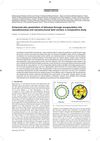
May 2016 in “Die Pharmazie” Nanostructured lipid carriers deliver lidocaine to the skin better than nanoethosomes.
 December 2022 in “KSBB Journal”
 Activating TLR3 boosts autophagy gene expression in skin cells.
 August 2013 in “Han'gug saengmul gonghag hoeji/KSBB journal”
 Apple 'Hirosaki' callus extracts may improve wrinkles, stimulate hair growth, and have anti-inflammatory effects for use in cosmetics.
 April 2012 in “KSBB Journal”
 Minoxidil analogs can be improved for hair growth inhibition by modifying specific parts of their structure.
 2 citations
,
January 2023 in “Applied Science and Convergence Technology”
2 citations
,
January 2023 in “Applied Science and Convergence Technology” 3D bioprinting is useful for making tissues, testing drugs, and delivering drugs, but needs better materials, resolution, and scalability.
1 citations
,
July 2025 in “The Open Dermatology Journal” Tissue engineering in cosmetics offers safer, more effective products and ethical alternatives to animal testing.
 2 citations
,
August 2023 in “Life”
2 citations
,
August 2023 in “Life” Bioinspired polymers are promising for advanced medical treatments and tissue repair.
 January 2024 in “Wiadomości Lekarskie”
 AI and advanced technologies are improving medical diagnostics and treatments.
January 2026 in “Research” New technologies show promise for safer, more effective hair loss treatments.
 223 citations
,
October 2020 in “Microsystems & Nanoengineering”
223 citations
,
October 2020 in “Microsystems & Nanoengineering” Microtechnology methods improve organoid production for medical research.
 21 citations
,
June 2018 in “Current Opinion in Genetics & Development”
21 citations
,
June 2018 in “Current Opinion in Genetics & Development” Scientists have made progress in growing mini-organs and regenerating parts of the skin, with plans to treat hair loss in a future trial.
 November 2025 in “International Journal of Zoology and Applied Biosciences”
 New technologies like AI, robotics, and stem cells have made hair transplants more effective and natural-looking.
70 citations
,
April 2020 in “Journal of Molecular Cell Biology” Organoid technology helps create mini-organs for studying diseases and testing drugs.
 November 2022 in “Journal of Investigative Dermatology”
 3D skin bioprinting, using skin bioinks like collagen and gelatin, is growing fast and could help treat wounds, burns, and skin cancers, as well as test cosmetics and drugs.
3 citations
,
April 2023 in “Cytotechnology” 40 citations
,
July 2024 in “Bioengineering” 3D bioprinting holds promise for medicine but needs more research and clear regulations.
110 citations
,
February 2024 in “Journal of Chemical Information and Modeling” PandaOmics uses AI to find new disease treatment targets and biomarkers.
17 citations
,
April 2022 in “Bioactive Materials” Continuous microfluidic processes can help scale up microtissue production for industrial and clinical use.
24 citations
,
March 2024 in “Small Science” Single-cell encapsulation shows promise for medical use but faces production challenges.
 September 2018 in “Facial Plastic Surgery Clinics of North America”
 Biologicals are increasingly used in medicine and cosmetics, especially for skin and hair treatments, but more research is needed.
 1 citations
,
May 2026 in “Signal Transduction and Targeted Therapy”
1 citations
,
May 2026 in “Signal Transduction and Targeted Therapy” Stem cell therapy shows promise but needs better safety and quality standards.
5 citations
,
May 2024 in “Current Issues in Molecular Biology” Single-cell sequencing can improve livestock health and productivity but faces challenges in precise cell analysis.
1 citations
,
October 2025 in “Micromachines” Portable point-of-care testing can improve quick and accurate genetic disorder detection.
17 citations
,
January 2025 in “Journal of Nanobiotechnology” Bacterial extracellular vesicles could revolutionize regenerative medicine but need safety improvements.
 1 citations
,
September 2009 in “Regenerative Medicine”
1 citations
,
September 2009 in “Regenerative Medicine” Bioaesthetic therapies could improve healthcare if they safely regenerate cells, tissues, or organs to restore normal function.
 August 2023 in “Bioengineering”
 Bioprinting could greatly improve health outcomes but faces challenges like material choice and ensuring long-term survival of printed tissues.