 2 citations
,
November 2014 in “The journal of investigative dermatology/Journal of investigative dermatology”
2 citations
,
November 2014 in “The journal of investigative dermatology/Journal of investigative dermatology” Oral tofacitinib can treat both psoriasis and alopecia universalis by normalizing inflammatory pathways.
 March 2026 in “Clinical Cosmetic and Investigational Dermatology”
 Upadacitinib improved multiple immune-related conditions in one patient.
 3 citations
,
August 2025 in “Frontiers in Pharmacology”
3 citations
,
August 2025 in “Frontiers in Pharmacology” Oral JAK inhibitors are safe for alopecia areata, but baricitinib may cause more acne and infections.
48 citations
,
February 2025 in “Advanced Materials” The hydrogel speeds up diabetic wound healing by adapting to glucose levels and releasing insulin.
 1 citations
,
November 2023 in “Journal of the European Academy of Dermatology and Venereology”
1 citations
,
November 2023 in “Journal of the European Academy of Dermatology and Venereology” Baricitinib helps with early hair regrowth in people with alopecia areata.
 July 2025 in “Dermatology and Therapy”
 Patients with fewer past treatments for alopecia areata respond better to baricitinib.
12 citations
,
July 2023 in “Journal of the European Academy of Dermatology and Venereology” Upadacitinib improved Crohn's disease, atopic dermatitis, and alopecia areata in one patient.
16 citations
,
May 2022 in “New England Journal of Medicine” Baricitinib is not very effective for severe alopecia areata.
June 2026 in “Journal of Pharmaceutical Innovation” 3 citations
,
November 2005 in “British Journal of Dermatology” A man with alopecia universalis regrew hair temporarily after a bone treatment.
3 citations
,
September 2024 in “The FASEB Journal” Dermal white adipose tissue helps regulate hair growth, protect skin, and aid wound healing.
 July 2023 in “Skin Research and Technology”
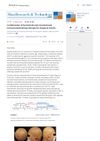
 Baricitinib combined with other immune therapies may safely and effectively treat severe scalp hair loss.
 40 citations
,
August 2022 in “Frontiers in immunology”
40 citations
,
August 2022 in “Frontiers in immunology” Blocking JAK/STAT pathways can help treat hair loss from alopecia areata.

Bubble microneedles effectively deliver drugs through skin and mouth, improving hair growth and lowering glucose.
 April 2021 in “Research Square (Research Square)”
 The new cocrystal KET-PABA is a more effective and safe anti-inflammatory treatment for skin conditions in mice.
 36 citations
,
April 2016 in “British journal of dermatology/British journal of dermatology, Supplement”
36 citations
,
April 2016 in “British journal of dermatology/British journal of dermatology, Supplement” A substance called VIP might protect hair follicles from being attacked by the immune system, and problems with VIP signaling could lead to hair loss in alopecia areata.
September 2023 in “Journal of the American Academy of Dermatology” BAP1 mutations are rare in pediatric melanocytic tumors and may develop later in life.
 July 2023 in “Journal of lasers in medical sciences”
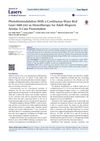
 Red laser therapy helped regrow hair in an alopecia areata patient within 21 days.
20 citations
,
January 2024 in “Journal of the European Academy of Dermatology and Venereology” Baricitinib is the most effective treatment for alopecia areata.
83 citations
,
October 2012 in “International Journal of Oncology” Wedelolactone selectively kills prostate cancer cells without harming normal cells.
 September 2024 in “Journal of the American Academy of Dermatology”
 Baricitinib helps long-term hair regrowth in severe alopecia areata patients.
May 2024 in “The Journal of Immunology” IL-27 can prevent hair loss in alopecia areata.
38 citations
,
September 1997 in “The journal of investigative dermatology/Journal of investigative dermatology” A mutation in mice causes hair loss and skin issues due to a defect in a gene affecting cell adhesion.
69 citations
,
February 2008 in “The American journal of pathology” Controlled delivery of specific RNA and IL-4 restored hair growth in mice with autoimmune alopecia.
November 2024 in “Journal of Investigative Dermatology” Bimekizumab quickly improves psoriasis symptoms and skin at the molecular level.
October 2025 in “Actas Dermo-Sifiliográficas” RF-mesotherapy with bicalutamide may be a promising new treatment for hair loss.
September 2011 in “American Journal of Transplantation” Hair regrowth in alopecia universalis may be possible by altering immune cells.
 3 citations
,
November 2016 in “Clinical Pediatrics”
3 citations
,
November 2016 in “Clinical Pediatrics” A girl with Crohn's disease developed hair loss from her medication, which improved with treatment but later returned.
1 citations
,
July 2024 in “Journal of Investigative Dermatology” VYN201 shows promise as a safe and effective treatment for non-segmental vitiligo.
April 2025 in “International Journal of Dermatology” Filgotinib completely reversed hair loss in a patient with rheumatoid arthritis and alopecia universalis.