 101 citations
,
May 2014 in “PLOS ONE”
101 citations
,
May 2014 in “PLOS ONE” Women with PCOS have a higher chance of experiencing depression, anxiety, and sleep disorders.
7 citations
,
March 2021 in “IntechOpen eBooks” RF energy is used in medical and beauty treatments to heat tissues, tighten skin, and reduce fat safely.
 2 citations
,
January 2007 in “Toxicologie Analytique et Clinique”
2 citations
,
January 2007 in “Toxicologie Analytique et Clinique” A woman survived a massive lithium overdose that caused a form of hair loss.
1 citations
,
January 2023 in “Skin Appendage Disorders” Radiofrequency devices can help remove or grow hair, but more research is needed.
 November 2022 in “Journal of Investigative Dermatology”
 Acne is genetically linked to a higher risk of depression, anxiety, schizophrenia, and bipolar disorder, with the strongest link to bipolar disorder.
 42 citations
,
December 2014 in “Clinical, cosmetic and investigational dermatology”
42 citations
,
December 2014 in “Clinical, cosmetic and investigational dermatology” Nonablative radiofrequency treatments, especially microneedle and fractional types, can improve acne scars by 25%–75% after 3-4 sessions, with full results in 3 months and some side effects.
January 2022 in “Indian Journal of Psychiatry/Indian journal of psychiatry” Lithium for bipolar disorder can cause skin problems like rashes, which go away when the medication is stopped.
 January 2015 in “International Journal of Trichology”
 Lithium can treat bipolar disorder but may cause hair loss and other hair problems.
24 citations
,
July 2005 in “Journal of the American Academy of Dermatology” A woman's eyelashes grew thicker and longer after taking topiramate, but returned to normal when she stopped the medication.
2 citations
,
January 2015 in “Chinese Medical Journal” Lithium can cause skin discoloration even at normal levels, so monitor for signs of intoxication.
1 citations
,
July 2006 in “American Journal of Psychiatry” Lamotrigine can cause hair loss.
 May 2023 in “The journal of sexual medicine”
 Ovarian Hyperthecosis caused hypersexuality in an older woman and was successfully treated with surgery.
 1 citations
,
December 2023 in “Revista médica de Chile”
1 citations
,
December 2023 in “Revista médica de Chile” Lithium can cause skin issues like acne and hair loss.
 9 citations
,
August 2006 in “American Journal of Psychiatry”
9 citations
,
August 2006 in “American Journal of Psychiatry” A woman's hair loss stopped after she stopped taking lamotrigine, suggesting it might cause hair loss.
4 citations
,
November 2001 in “Journal of Neuropsychiatry” Divalproex sodium can sometimes worsen behavior in some patients.
2 citations
,
September 2014 in “International Journal of Dermatology” Sodium valproate can worsen psoriasis-like skin conditions.
 1 citations
,
October 2023 in “Journal of clinical psychopharmacology”
1 citations
,
October 2023 in “Journal of clinical psychopharmacology” Divalproex sodium can cause pleural effusion, which stops when the drug is discontinued.
 64 citations
,
February 1995 in “Journal of The American Academy of Dermatology”
64 citations
,
February 1995 in “Journal of The American Academy of Dermatology” Lithium therapy may cause skin problems like hidradenitis suppurativa and other side effects, which can improve after stopping the medication.
19 citations
,
August 2023 in “Journal of Dermatological Treatment” Abrocitinib may effectively treat stubborn alopecia universalis.
 13 citations
,
January 2007 in “Epilepsia”
13 citations
,
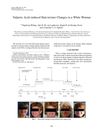
January 2007 in “Epilepsia” Valproic acid can cause reversible hair curling and persistent hair thinning.
11 citations
,
January 2018 in “International journal of trichology” Valproate can cause hair loss and changes in hair appearance, but may help regrow hair when applied topically.
 6 citations
,
April 2013 in “International Journal of Dermatology”
6 citations
,
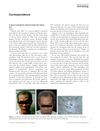
April 2013 in “International Journal of Dermatology” Valproic acid helped hair growth in alopecia patient; more research needed.
2 citations
,
June 2013 in “In Vitro Cellular & Developmental Biology - Animal” Melanocytes from human fetal hair follicles were successfully cultured, showing potential for hair disease research and clinical use.
 1 citations
,
July 2015 in “The European research journal”
1 citations
,
July 2015 in “The European research journal” Stopping aripiprazole can reverse its side effect of hair loss.
 June 2023 in “International journal of biology, pharmacy and allied sciences”
 New medications are improving depression treatment, emphasizing accurate diagnosis and chronic care.
 May 2018 in “Journal of Cosmetic and Laser Therapy”
 The editorial discusses the effectiveness and safety of various laser and energy-based cosmetic treatments.
January 2017 in “SHILAP Revista de lepidopterología” Agomelatine might help reduce hair loss caused by valproate.
November 2001 in “The Journal of neuropsychiatry and clinical neurosciences/The journal of neuropsychiatry and clinical neurosciences” Divalproex sodium can unexpectedly cause agitation and hyperactivity in some patients.
 38 citations
,
September 1996 in “Annals of Clinical Psychiatry”
38 citations
,
September 1996 in “Annals of Clinical Psychiatry” Hair loss from mood stabilizers is common but can be managed without stopping the medication.
3 citations
,
September 2008 in “Current signal transduction therapy” Drugs that block GSK-3 show promise for treating various diseases.