15 citations
,
June 2021 in “International Journal of Molecular Sciences” CMC2.24 and CMC2.23 reduce melanin safely and effectively.
 June 2023 in “British Journal of Dermatology”
 Coinheritance of BRCA2 and CYLD genes may lead to new treatment options for certain cancers.
 18 citations
,
July 2014 in “Molecular Medicine Reports”
18 citations
,
July 2014 in “Molecular Medicine Reports” UVB radiation changes the levels of certain microRNAs in skin cells, which may affect cell survival and hair growth.
 August 2016 in “Journal of Dermatology”
 A chemical called 5-Bromo-2′-deoxyuridine caused rapid hair loss in mice by killing certain skin cells through a specific cell death pathway.
June 2026 in “British Journal of Dermatology” Photodynamic therapy for actinic keratosis can cause permanent hair loss.
 20 citations
,
January 2003 in “Chemical and Pharmaceutical Bulletin”
20 citations
,
January 2003 in “Chemical and Pharmaceutical Bulletin” The new progesterone derivatives effectively inhibit 5α-reductase and bind to the androgen receptor.
 29 citations
,
October 2016 in “Cell death and differentiation”
29 citations
,
October 2016 in “Cell death and differentiation” ΔNp63α stops TAp73β from working in skin cancer by blocking its access to specific genes, not by directly interacting with it.
 April 2023 in “The journal of investigative dermatology/Journal of investigative dermatology”
 The protein p21 is more abundant in normal skin cells than in melanoma cells and may help protect against melanoma, with UVB light affecting its levels.
11 citations
,
February 2002 in “European Journal of Clinical Investigation” The new platinum complexes effectively increased survival in rats with tumors, despite some reversible side effects.
 36 citations
,
March 2014 in “Biomaterials”
36 citations
,
March 2014 in “Biomaterials” A new skin-whitening agent using a peptide from wheat is safe and effective at reducing skin pigmentation.
8 citations
,
August 2018 in “BMJ Case Reports” Pazopanib treatment caused rapid hair color loss, possibly indicating its effectiveness.
![Effect of C-Ring Modifications in Benzo[c]quinolizin-3-ones, New Selective Inhibitors of Human 5α-Reductase 1](/images/assets/c687900f-ea40-4de1-8f0b-a5b818951b1c/small/15452.jpg) 12 citations
,
June 2001 in “Bioorganic & Medicinal Chemistry”
12 citations
,
June 2001 in “Bioorganic & Medicinal Chemistry” Changing the C-ring structure in certain compounds can make them better at blocking a specific human enzyme.

The research shows how certain drug molecules form stable structures with polymers, which could help create new drug forms.
18 citations
,
March 2009 in “Skin pharmacology and physiology” Sunlight damages hair, causing cuticle loss, protein changes, and discoloration.
 31 citations
,
August 2022 in “Frontiers in Oncology”
31 citations
,
August 2022 in “Frontiers in Oncology” Photobiomodulation therapy helps manage cancer treatment side effects but needs more research for optimization.
 April 2025 in “Dermatology Practical & Conceptual”
 UV-enhanced trichoscopy helps diagnose hair shaft disorders like pili annulati.
 16 citations
,
October 2003 in “Journal of applied polymer science”
16 citations
,
October 2003 in “Journal of applied polymer science” 2-iminothiorane hydrochloride improves hair waving permanence without damage.
 4 citations
,
January 2002 in “Indian Journal of Pharmaceutical Sciences”
4 citations
,
January 2002 in “Indian Journal of Pharmaceutical Sciences” A new method accurately measures finasteride in tablets using color change and light absorption.
 June 2010 in “Journal of Chemical Crystallography”
 The compound was successfully made and shows potential for treating prostate cancer.
 13 citations
,
December 2013 in “Chemistry Central Journal”
13 citations
,
December 2013 in “Chemistry Central Journal” Sunlight exposure increases drug toxicity; amber glass best for protection.
49 citations
,
January 1972 in “Biochimica et Biophysica Acta (BBA) - Protein Structure” July 2026 in “Journal of Medicinal Chemistry” A new drug strategy improves hair loss treatment with better results and safety.
62 citations
,
December 1941 in “Experimental biology and medicine” Eating phenylthiocarbamide made all the rats' hair go gray, but some returned to their original color after stopping.
 March 2026 in “DergiPark (Istanbul University)”
 Biotinoyl tripeptide-1 nanoparticles protect hair from heat damage.
 7 citations
,
February 2014 in “Talanta”
7 citations
,
February 2014 in “Talanta” Researchers developed a method to identify and analyze cyclosporin compounds and their structures effectively.
 January 2016 in “대한피부과학회지”
 Bortezomib chemotherapy can cause temporary skin rashes.
 13 citations
,
August 2019 in “Biological & Pharmaceutical Bulletin”
13 citations
,
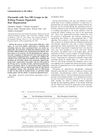
August 2019 in “Biological & Pharmaceutical Bulletin” Certain flavonoids help grow back colored hair after skin injury.
 June 2025 in “Natural Product Communications”
 Researchers created 10 new compounds similar to cercidin, which could lead to new antibiotics.
 12 citations
,
November 1987 in “Pediatric dermatology”
12 citations
,
November 1987 in “Pediatric dermatology” Four children had unmanageable pale blond hair due to uncombable-hair syndrome.
18 citations
,
December 2005 in “Journal of Medicinal Chemistry” A brominated phenoxy compound effectively inhibits a human enzyme and shows potential for clinical use.