 March 2025 in “Journal of Dermatological Treatment”
 Temporary hair shedding after minoxidil use may indicate effective treatment.
 November 2021 in “CRC Press eBooks”
 Telogen effluvium is a common, temporary hair loss condition often affecting young women.
 4 citations
,
March 2023 in “Journal of the European Academy of Dermatology and Venereology”
4 citations
,
March 2023 in “Journal of the European Academy of Dermatology and Venereology” COVID-19 can cause a temporary hair loss condition.
 February 2020 in “Definitions”
 Telogen Effluvium is a condition where more hair than usual falls out after stress or fever.
 January 2024 in “International Journal of Trichology”
 Hair root dermoscopy is a simple, noninvasive tool to diagnose telogen effluvium.
 14 citations
,
January 2009 in “Experimental Dermatology”
14 citations
,
January 2009 in “Experimental Dermatology” Hair sheds gradually from the follicle, with readiness to shed indicated by less attachment material.
October 2025 in “Diagnostics” Temporal triangular alopecia is a harmless, non-progressive hair loss condition.
 January 2018 in “Springer eBooks”
 Telogen Effluvium causes more hair loss because hair moves to the resting phase too soon.
 January 2025 in “Journal of Case Reports and Scientific Images”
 Early recognition and treatment of scalp demodicosis can prevent misdiagnosis and effectively resolve symptoms.
January 2025 in “Surgical & Cosmetic Dermatology” Temporal triangular alopecia causes permanent hair loss and can be managed with treatments like minoxidil or hair transplantation.
 February 1994 in “Archives of Dermatology”
 Telogen effluvium is a condition that causes temporary hair loss.
35 citations
,
September 2011 in “The Journal of Dermatology” Trichoscopy helps accurately diagnose temporal triangular alopecia.
 2 citations
,
August 1999 in “PubMed”
2 citations
,
August 1999 in “PubMed” Chronic telogen effluvium is a condition that causes ongoing hair shedding.
 March 2003 in “CRC Press eBooks”
 Telogen effluvium is hair loss caused by many hairs stopping growth suddenly, often due to stress or illness, but sometimes it's normal and not due to disease.
 February 1994 in “PubMed”
 Telogen effluvium is a type of temporary hair loss.
5 citations
,
May 2015 in “JRSM open” If a child is losing a lot of eyelashes and it keeps happening, doctors should look carefully at their health history because it might be a sign of a different health problem.
 7 citations
,
October 2016 in “Dermatologic Therapy”
7 citations
,
October 2016 in “Dermatologic Therapy” About 40% of women without hair loss and 60% with hair loss experience a lot of hair shedding, especially those under 50 with long hair.
 24 citations
,
September 2014 in “Journal of the European Academy of Dermatology and Venereology”
24 citations
,
September 2014 in “Journal of the European Academy of Dermatology and Venereology” Trichoscopy is reliable for diagnosing Temporal Triangular Alopecia and can prevent unnecessary biopsies and wrong treatments.
 1 citations
,
January 2022 in “Skin appendage disorders”
1 citations
,
January 2022 in “Skin appendage disorders” Hair shedding after childbirth can reveal a pre-existing condition of hair loss due to tight hairstyles.
2 citations
,
December 2024 in “BMC Genomics” Key genes and pathways control sheep hair growth phases.
February 2025 in “Pediatric Dermatology” April 2012 in “Informa Healthcare eBooks” Telogen effluvium is a condition that causes temporary hair loss.
 January 2004 in “Springer eBooks”
 Telogen effluvium is a condition that causes temporary hair loss.
15 citations
,
February 2015 in “Anais brasileiros de dermatologia/Anais Brasileiros de Dermatologia” Dermoscopy helps accurately diagnose temporal triangular alopecia, avoiding unnecessary treatments.
 May 2012 in “CRC Press eBooks”
 Different types of hair loss within Telogen Effluvium are caused by various disruptions in hair growth cycles.
 2 citations
,
March 2023 in “Skin research and technology”
2 citations
,
March 2023 in “Skin research and technology” Temporal triangular alopecia in infants is mostly seen in males at birth, with unique features that help with diagnosis.
 May 2009 in “Hair transplant forum international”
 Androgens affect hair growth and shedding, with genetic and non-genetic factors influencing baldness.
 October 2024 in “Experimental Dermatology”
 The belief about hair shedding phases is likely incorrect and needs reevaluation.
 13 citations
,
May 1993 in “International Journal of Dermatology”
13 citations
,
May 1993 in “International Journal of Dermatology” The paper suggests that telogen effluvium, a type of hair loss, may be a long-lasting condition triggered by stress or illness in people whose hair growth is unusually synchronized.
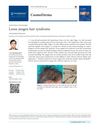 February 2023 in “Cosmoderma”
 Loose anagen hair syndrome causes easily shed hair but usually improves with time.