 8 citations
,
August 2020 in “PLOS Computational Biology”
8 citations
,
August 2020 in “PLOS Computational Biology” A machine learning model called CATNIP can predict new uses for existing drugs, like using antidepressants for Parkinson's disease and a thyroid cancer drug for diabetes.
1 citations
,
March 2022 in “Journal of The American Academy of Dermatology” Adjusting minoxidil dosage may be safer than using bicalutamide for hair loss in women.
1 citations
,
February 2019 in “Nanoscience and Nanotechnology Letters”  3 citations
,
May 2023 in “International Journal of Molecular Sciences”
3 citations
,
May 2023 in “International Journal of Molecular Sciences” A new treatment using nanoparticles can effectively prevent and reduce hair loss caused by chemotherapy.
 11 citations
,
March 2014 in “Journal of Investigative Dermatology”
11 citations
,
March 2014 in “Journal of Investigative Dermatology” Genetic mutation and carcinogen treatment are both needed for skin cancer to develop in these specific mice.
7 citations
,
March 2023 in “JEADV. Journal of the European Academy of Dermatology and Venereology/Journal of the European Academy of Dermatology and Venereology” November 2022 in “Journal of Investigative Dermatology” ILC1-like cells can cause alopecia areata by themselves.
66 citations
,
February 2013 in “PeerJ” Activating cannabinoid receptor 1 reduces certain keratin levels, potentially aiding psoriasis treatment.
 1 citations
,
October 2025 in “Frontiers in Immunology”
1 citations
,
October 2025 in “Frontiers in Immunology” Avacopan is generally safe, with some minor side effects like nausea and fatigue.
June 2026 in “Clinical Cosmetic and Investigational Dermatology” Upadacitinib effectively treated alopecia areata when other treatments failed.
![Patent Evaluation: Hexahydrobenzo[f]quinolines as 5α-Reductase Inhibitors](/images/assets/1634373b-f615-46c7-a157-21394e3366be/small/21095.jpg) June 1993 in “Current opinion in therapeutic patents”
June 1993 in “Current opinion in therapeutic patents” Hexahydrobenzo[f]quinolines are effective at blocking the enzyme 5α-reductase.
20 citations
,
February 1968 in “Journal of Histochemistry & Cytochemistry” A new test more accurately detects citrulline in hair follicles and pilomatrixomas.
1 citations
,
December 2019 in “World rabbit science” High doses of cobalt stopped hair growth in rabbits.
 December 2025 in “npj Breast Cancer”
 Capivasertib improves survival in certain breast cancer cases but requires careful management of side effects.
1 citations
,
February 2025 in “International Journal of Dermatology” Abrocitinib may effectively treat Lichen Planopilaris.
1 citations
,
April 2002 in “PubMed” Anti-epileptic drugs may cause visual and hair side effects due to enzyme inhibition, especially in genetically predisposed individuals.
 13 citations
,
August 2007 in “Bioorganic & medicinal chemistry letters”
13 citations
,
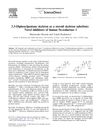
August 2007 in “Bioorganic & medicinal chemistry letters” A new compound effectively inhibits human 5α-reductase 1.
 June 2023 in “Sains Malaysiana”
 Cinchonine Nanostructured Lipid Carriers serum safely and effectively stimulates hair growth and increases the number and size of hair follicles.
 March 2023 in “Scientific Reports”
 Using focused ultrasound on the brain can help epilepsy medicine work better in rats.
January 2023 in “Cutaneous and Ocular Toxicology” 5 citations
,
December 2023 in “Journal of the European Academy of Dermatology and Venereology” 4 citations
,
January 2025 in “JAAD reviews.” Janus kinase inhibitors are promising for treating scarring alopecia, but more research is needed for safety and personalized treatments.
Trichosanthes cucumerina leaf extract can promote hair growth like Minoxidil.
 January 2025 in “International Journal of Trichology”
 Combining DPCP with PRP doesn't improve hair regrowth in alopecia areata.
GPC1 is important for hair growth by helping blood vessels form around hair follicles.
January 2022 in “International Journal of Pharmacognosy and Pharmaceutical Sciences” Semecarpus anacardium Linn. has multiple medicinal benefits, including anti-inflammatory and antioxidant effects.
44 citations
,
May 2023 in “MedComm” PROTAC technology shows promise for cancer treatment but needs more effective E3 ligase recruiters.
14 citations
,
January 2016 in “Annals of dermatology/Annals of Dermatology” Oral cyclosporine is more effective and safer than betamethasone for treating alopecia areata.
May 2025 in “Biomedicine & Pharmacotherapy” Hyperbranched polymer dots significantly boost hair regrowth better than minoxidil.
 January 2022 in “Turk Dermatoloji Dergisi”
 Topical procyanidin B2 significantly increases hair count and is a safe treatment for male pattern baldness.