 13 citations
,
February 2006 in “Clinical and Experimental Dermatology”
13 citations
,
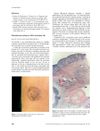
February 2006 in “Clinical and Experimental Dermatology” A benign tumor developed at a girl's BCG vaccination site, not previously linked to the vaccine.
1 citations
,
May 2024 in “Journal of Dermatological Science” Injecting specific cells into the skin can help improve skin structure and reduce blisters in a genetic skin disorder.
10 citations
,
November 2020 in “American Journal Of Pathology” Integrin β1 is crucial for liver structure and function, preventing fibrosis.
10 citations
,
February 2019 in “Journal of cellular physiology” TGF-β2 helps yak hair follicles enter the regression phase, while HSP70 tries to prevent it.
 13 citations
,
November 2013 in “Journal of Endocrinology/Journal of endocrinology”
13 citations
,
November 2013 in “Journal of Endocrinology/Journal of endocrinology” Vitamin D receptor helps control hair growth genes in skin cells.
 6 citations
,
July 2011 in “Journal of Plastic Reconstructive and Aesthetic Surgery”
6 citations
,
July 2011 in “Journal of Plastic Reconstructive and Aesthetic Surgery” Eyebrow reconstruction using hair follicle grafts was successful in a man with a benign hereditary disorder affecting his eyebrows.
December 2025 in “eTheses of Maulana Malik Ibrahim State Islamic University (Maulana Malik Ibrahim State Islamic University)” The formula significantly boosts hair growth and density.
 December 2025 in “Cureus”
 Hyperbaric oxygen therapy speeds up recovery and improves outcomes in hair transplants.
April 2025 in “European Journal of Pharmaceutics and Biopharmaceutics” The new drug delivery system improves bicalutamide skin retention for better treatment of hair loss.
3 citations
,
January 2011 in “生物医学研究杂志:英文版” A new mutation in the KRT86 gene causes monilethrix in a Han family.
 June 2025 in “BMJ Case Reports”
 Axitinib treatment turned a man's grey hair back to black.
Biotin can help improve hair condition and reduce hair loss.
13 citations
,
July 1994 in “PubMed” Keratins K6 and K16 are expressed more freely in regenerating mouse skin than K1 and K10.

Newly designed proteins can effectively degrade specific proteins in cells, offering a promising alternative for targeted protein degradation.
7 citations
,
March 1993 in “International Journal of Oncology” Basal cell carcinoma shows keratin patterns similar to hair follicle structures.

Newly designed proteins can effectively degrade specific proteins in cells, offering a potential new therapy method.
 November 2025 in “Journal of Saidu Medical College Swat”
 Biotinidase deficiency can mimic other conditions, making early diagnosis and treatment crucial to prevent lasting issues.
4 citations
,
March 2023 in “Cancer Innovation” Flexible bioelectronics show promise in non-invasive cancer detection and treatment but need improvements in stability and effectiveness.
January 2024 in “Skin Appendage Disorders” Serial Excision Technique improves appearance and quality of life for cicatricial alopecia patients.
 January 2026 in “International Journal of Research and Innovation in Applied Science”
 Recognizing specific markers is crucial for correctly diagnosing and treating rare multifocal MPTT in males.
 February 2020 in “Definitions”
 Mutations in the KRT16 gene can cause skin and nail disorders.
 156 citations
,
October 1996 in “Science of The Total Environment”
156 citations
,
October 1996 in “Science of The Total Environment” Tributyltin exposure causes sex changes, sterilization, and decline in the snail Ocinebrina aciculata, risking its extinction.
45 citations
,
October 2019 in “Clinical and Experimental Dermatology” Targeted therapies promoting differentiation could help treat basal cell carcinoma by exhausting cancer stem cells.
 7 citations
,
March 2022 in “Molecules”
7 citations
,
March 2022 in “Molecules” 5-Bromo-3,4-dihydroxybenzaldehyde could potentially help hair growth by activating certain cell pathways and inhibiting others.
 35 citations
,
February 2019 in “Cell Communication and Signaling”
35 citations
,
February 2019 in “Cell Communication and Signaling” BMP6 and Wnt10b control whether hair follicles are resting or growing.
220 citations
,
August 2007 in “Journal of Bone and Mineral Research” Wnt signaling is crucial for bone regeneration.
13 citations
,
August 1985 in “The Journal of Dermatology” HKN-2 antibody targets specific skin and hair cells, showing keratin complexity.
1 citations
,
December 2023 in “Frontiers in Behavioral Neuroscience” UVB exposure increases appetite by activating p53 in skin cells.
 4 citations
,
October 2011 in “International Journal of Dermatology”
4 citations
,
October 2011 in “International Journal of Dermatology” Bardet-Biedl syndrome may include under-recognized skin problems related to its metabolic disturbances.
6 citations
,
February 1997 in “International Journal of Dermatology” Kaposi's sarcoma lesions might originate from benign tissue changes.