13 citations
,
August 2018 in “Life sciences” Kang-ai injection with platinum-based chemotherapy improves tumor response and immune function while reducing side effects in advanced lung cancer.
 July 2003 in “Journal of Cutaneous Medicine and Surgery”
 Stopping certain drugs can improve skin conditions, arsenicosis affects over half of a Bangladeshi village, males are more vulnerable, and certain treatments are effective for warts, acne, and psoriasis. Smoking and drinking are linked to psoriasis in men, a cream helps with a type of skin cancer, and low iron levels don't directly cause chronic hair loss in women.
 7 citations
,
July 1990 in “Journal of the American Academy of Dermatology”
7 citations
,
July 1990 in “Journal of the American Academy of Dermatology” A woman with bullous pemphigoid had an allergic reaction to azathioprine, but got better with alternative treatments.
 June 2023 in “British Journal of Dermatology”
 Coinheritance of BRCA2 and CYLD genes may lead to new treatment options for certain cancers.
Vinblastine and its metabolites may cause nausea and hair loss by binding to specific receptors and could lead to better chemotherapy drugs with fewer side effects.
1 citations
,
January 2009 in “The Open Dermatology Journal” Chemotherapy caused nail grooves and separation, but they healed after treatment stopped.
 21 citations
,
August 1960 in “British journal of dermatology/British journal of dermatology, Supplement”
21 citations
,
August 1960 in “British journal of dermatology/British journal of dermatology, Supplement” Endoxan often causes hair loss, which usually starts in the third week of treatment.
 April 2020 in “Journal of the Endocrine Society”
 A rare ovarian tumor that produced testosterone caused a blood clot in the lungs and increased red blood cells in a woman.
 1 citations
,
January 2010 in “Türkiye klinikleri tıp bilimleri dergisi”
1 citations
,
January 2010 in “Türkiye klinikleri tıp bilimleri dergisi” A rare case showed hair regrowth after chemotherapy for thymoma, suggesting a link between alopecia areata and thymoma.
 66 citations
,
July 2003 in “International Journal of Dermatology”
66 citations
,
July 2003 in “International Journal of Dermatology” Betamethasone valerate foam is more effective and safe for treating mild-to-moderate alopecia areata than betamethasone dipropionate lotion.
2 citations
,
January 2022 in “JAAD Case Reports” The rash resolved after stopping ponatinib.
January 2000 in “Cambio 16” Bcl-2 affects hair growth and pigmentation by controlling cell death.
September 2014 in “Emergency Medicine News” The man's skin condition improved with sun protection and topical steroids, but UV exposure still caused flare-ups.
Antifungal treatment reduced asthma exacerbations and corticosteroid use but its overall benefit is unclear.
 13 citations
,
May 2019 in “Cancer Prevention Research”
13 citations
,
May 2019 in “Cancer Prevention Research” Grape seed extract may safely and effectively help prevent lung cancer.
6 citations
,
April 2021 in “Patient Preference and Adherence” Patients with non-small-cell lung cancer need significant survival gains to accept severe side effects.
 September 2019 in “Rheumatology advances in practice”
 Diagnosing and treating rapidly worsening lung disease is difficult and requires better guidelines and understanding.
 7 citations
,
September 2006 in “Clinical lymphoma & myeloma”
7 citations
,
September 2006 in “Clinical lymphoma & myeloma” Balancing treatment effectiveness with side effects is crucial for relapsed follicular non-Hodgkin's lymphoma, especially in older patients.
 May 2025 in “The Journal of Rheumatology”
 Early recognition and a team approach are crucial for managing diffuse alveolar hemorrhage in antiphospholipid syndrome.
30 citations
,
July 2007 in “PubMed” Betamethasone oral mini-pulse therapy is safe and effective for treating extensive alopecia areata.
 1 citations
,
July 2020 in “International journal of radiology & radiation therapy”
1 citations
,
July 2020 in “International journal of radiology & radiation therapy” Partial hair-sparing brain radiotherapy is possible and doesn't affect cancer control but still causes noticeable hair loss.
Fenugreek seeds and Butea monosperma flowers may help reduce hair loss from chemotherapy.
1 citations
,
September 2025 in “Eye” Certain drugs can cause eyelid inflammation, so doctors should monitor and educate patients on eyelid care.
 1 citations
,
January 2009 in “Actas Dermo-Sifiliográficas”
1 citations
,
January 2009 in “Actas Dermo-Sifiliográficas” Docetaxel, a chemotherapy drug, was reported to cause psoriasis in a patient for the first time.
June 2022 in “Mayo Clinic Proceedings” The man was diagnosed with stage III multiple myeloma and treated to improve kidney function.
39 citations
,
January 2015 in “Cochrane library” Chemotherapy may help with survival in children with medulloblastoma, but more research is needed.
 18 citations
,
March 1990 in “Archives of Dermatology”
18 citations
,
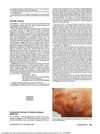
March 1990 in “Archives of Dermatology” Cyclosporine cleared a woman's resistant skin condition quickly and kept it away for over a year.
6 citations
,
August 2020 in “Oncology nursing forum” Minocycline reduces acne rash, pyridoxine lowers hand-foot syndrome risk, and scalp cooling lessens hair loss from cancer treatments.
 September 2024 in “Acta Medica Philippina”
 Radiation from a medical procedure caused temporary hair loss, but hair regrew with treatment.