 March 2024 in “Journal of Evidence-Based Integrative Medicine”
 Teak leaf extract may effectively and safely promote hair growth in males with androgenic alopecia.
February 2007 in “Journal of Clinical Dermatology” 1 citations
,
January 2008 in “Aesthetic dermatology” December 2012 in “http://isrctn.org/>” September 2021 in “LAUTECH Journal of Civil and Environmental Studies” September 2021 in “Faculty Opinions – Post-Publication Peer Review of the Biomedical Literature” February 2014 in “Faculty Opinions – Post-Publication Peer Review of the Biomedical Literature” January 2016 in “DSpace - FIRAT (Fırat University)” 94 citations
,
April 2018 in “Nature Genetics” New genetic locations explain much of hair color variation in Europeans.
June 2026 in “Experimental Dermatology” No strong genetic link between hair color and alopecia areata was found.
 May 2024 in “bioRxiv (Cold Spring Harbor Laboratory)”
 KAP-depleted hair causes less immune response and is more biocompatible for implants.
31 citations
,
June 2013 in “Journal of Cosmetic Dermatology” Electrolysis is the only FDA-recognized permanent hair removal method.
 11 citations
,
December 2016 in “Frontiers in Psychology”
11 citations
,
December 2016 in “Frontiers in Psychology” Hair style affects perceptions of age, health, and attractiveness more than hair color does.
 July 2024 in “Dermatology and Therapy”
 Darker hair colors may increase the risk of alopecia areata, while lighter hair colors may decrease it.
 1 citations
,
September 2021 in “International journal of research - granthaalayah”
1 citations
,
September 2021 in “International journal of research - granthaalayah” Human hair has bipolar electrical charges because of a gap in the hair follicle's electromagnetic field.
45 citations
,
July 2006 in “Journal of Investigative Dermatology” Chemotherapy affects blood vessels in hair follicles, not stem cells, allowing hair regrowth.
 15 citations
,
December 2011 in “Journal of the European Academy of Dermatology and Venereology”
15 citations
,
December 2011 in “Journal of the European Academy of Dermatology and Venereology” Hair loss in systemic lupus erythematosus patients is unique and improves with treatment.
 10 citations
,
January 2000 in “Journal Of Cutaneous Laser Therapy”
10 citations
,
January 2000 in “Journal Of Cutaneous Laser Therapy” Laser hair removal might also work by damaging blood vessels around hair follicles.
1 citations
,
May 1987 in “The Lancet” Topical minoxidil may help hair growth by improving blood flow to hair follicles.
 June 2026 in “Journal of Comprehensive Dermatology”
 Minoxidil is effective for hair growth, especially with new delivery methods and personalized treatments.
Minoxidil can slow hair loss and promote regrowth but won't fully restore hair.
 November 2023 in “International Journal For Multidisciplinary Research”
 Herbal hair oil made with natural ingredients helps reduce hair loss, dandruff, and graying.
 November 2023 in “International Journal of Women's Dermatology”
 Hormone replacement therapy may improve hair growth in the frontal hairline of postmenopausal women with hair loss.
 December 2021 in “Journal of clinical images and medical case reports”
 PRP generally shows better results for hair regrowth than mesotherapy, but more research is needed.
PRP hair treatment is generally safe but may cause minor pain, bleeding, redness, and scalp tightness, and isn't suitable for everyone.
Hair follicles influence blood vessels during hair growth, suggesting potential treatments for hair growth issues.
 69 citations
,
August 2014 in “Journal of The American Academy of Dermatology”
69 citations
,
August 2014 in “Journal of The American Academy of Dermatology” Trichoscopy is a quick, cost-effective tool for diagnosing different hair loss conditions.
 46 citations
,
April 2009 in “Journal of Dermatological Case Reports”
46 citations
,
April 2009 in “Journal of Dermatological Case Reports” Researchers established normal hair and scalp characteristics for healthy women using trichoscopy.
 20 citations
,
November 1968 in “The Lancet”
20 citations
,
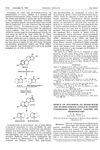
November 1968 in “The Lancet” Potassium levels affect blood sugar and insulin during dialysis, and malnutrition changes children's hair roots.