 November 2024 in “The Journal of Cell Biology”
 Basement membrane changes are crucial for hair follicle development.
 January 2024 in “Genetics in Medicine Open”
 Adults with Tatton-Brown-Rahman syndrome may have serious heart problems and need lifelong heart monitoring.
 1 citations
,
November 2024 in “Diabetes Metabolic Syndrome and Obesity”
1 citations
,
November 2024 in “Diabetes Metabolic Syndrome and Obesity” A specific gene variant is linked to severe insulin resistance and hormone imbalance in a teenage girl.
 August 2021 in “Journal of medical science and clinical research”
 An infant with seizures and hair loss was diagnosed with biotinidase deficiency and treated successfully with biotin.
 August 2023 in “MOJ women's health”
 Brown Adipose Tissue (BAT) could potentially treat Polycystic Ovary Syndrome (PCOS) by controlling energy balance and lipid homeostasis, but more human research is needed.
 18 citations
,
November 2016 in “Neuromuscular Disorders”
18 citations
,
November 2016 in “Neuromuscular Disorders” Patients with myotonic dystrophy often have skin problems that suggest early aging and vitamin D issues, and the severity of these problems is linked to their genetic condition and vitamin D levels.
14 citations
,
December 1998 in “British Journal of Cancer” Truncated hHb1 keratin may play a role in breast cancer cell transformation.
November 2025 in “The Journal of Immunology” BST2 is highly expressed in certain immune cells in alopecia areata, suggesting a role in the disease.
A new image-based method improves accuracy in measuring hair loss in mice.
 February 2025 in “Clinical Cosmetic and Investigational Dermatology”
 Higher fasting insulin levels increase the risk of androgenetic alopecia.
June 2025 in “Albus Scientia” MC1R gene variations affect skin, hair color, UV sensitivity, and melanoma risk.
 30 citations
,
July 2022 in “Scientific Reports”
30 citations
,
July 2022 in “Scientific Reports” Obesity and lifestyle strongly affect heart aging.
 19 citations
,
March 2012 in “Clinical Endocrinology”
19 citations
,
March 2012 in “Clinical Endocrinology” FAI values above 6.4 may suggest high androgen levels and increased metabolic risks in Chinese women of reproductive age.
 29 citations
,
November 2022 in “Nature Medicine”
29 citations
,
November 2022 in “Nature Medicine” Genetic variations greatly affect individual metabolism and can impact health and disease risk.
June 2020 in “Comparative medicine” NSG mice had the most mites, and genetic factors affect immune response and susceptibility.
 September 2019 in “The journal of investigative dermatology/Journal of investigative dermatology”
 Tet1/2/3 enzymes affect hair follicle cell development by influencing BMP signaling.
 November 2013 in “John Wiley & Sons, Ltd eBooks”
 Skin symptoms can indicate endocrine disorders and have various treatments.
March 2011 in “Open Archive (Karolinska Institutet)” The mouse model showed defects in adult stem cell maintenance related to Hutchinson-Gilford progeria syndrome.
 6 citations
,
July 2013 in “Experimental and Therapeutic Medicine”
6 citations
,
July 2013 in “Experimental and Therapeutic Medicine” Ginsenoside Rg1 protects mouse skin from UVB damage and helps control inflammation.
48 citations
,
March 2003 in “International Journal of Cancer” DMBT1 and galectin-3 may help suppress epithelial skin cancer.
50 citations
,
February 2007 in “The Journal of Pathology” Somatic BHD mutations are rare in Japanese renal tumors.
 16 citations
,
January 2008 in “Acta dermato-venereologica”
16 citations
,
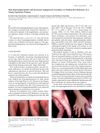
January 2008 in “Acta dermato-venereologica” Vitamin B12 deficiency can cause skin darkening and increased blood vessels, but treatment can improve symptoms.
 January 2016 in “International journal of reproduction, contraception, obstetrics and gynecology”
 A certain gene variation is linked to a higher risk of polycystic ovarian syndrome in South Indian women.
January 2013 in “프로그램북(구 초록집)” 13 citations
,
February 2016 in “Journal of steroid biochemistry and molecular biology/The Journal of steroid biochemistry and molecular biology” Mice without active or present vitamin D receptors maintain normal blood sugar control and islet gene expression when calcium levels are normal.
 4 citations
,
March 2020 in “BMC Research Notes”
4 citations
,
March 2020 in “BMC Research Notes” Skin tags in obese individuals may indicate higher cardiovascular risk.
 19 citations
,
November 1993 in “Mammalian Genome”
19 citations
,
November 1993 in “Mammalian Genome” A gene mutation in mice causes permanent hair loss and skin issues.
10 citations
,
January 2020 in “Genes & Diseases” Circ-Smad5 slows cell growth by blocking a specific cell signaling pathway.
 2 citations
,
December 2021 in “Scientific reports”
2 citations
,
December 2021 in “Scientific reports” Scalp hair sweating is a significant predictor of hair cortisol levels.
June 1984 in “Clinical Biochemistry” Hair chromium levels might indicate chromium status and relate to glucose metabolism issues.