21 citations
,
April 2016 in “International Journal of Oncology” GnRH treatment can reduce breast cancer cell invasion.
1 citations
,
March 2007 in “Journal of Chinese Integrative Medicine” HXBSM boosts blood vessel growth and hair growth in mice.
2 citations
,
January 2014 in “Photochemical & photobiological sciences” Grasp protein helps maintain skin health after UVB exposure.
January 2026 in “Materialia” Porcine ADM scaffold helps hair growth in mice.
29 citations
,
July 2003 in “Experimental Dermatology” The upper hair follicle is stable, while the lower part allows movement during hair growth.
 March 2026 in “Journal of Skin and Stem Cell”
 Periorbital melanosis may be linked to metabolic syndrome.
 November 2022 in “Journal of Investigative Dermatology”
 The research found specific genes that are more active in balding cells, which could be causing hair loss.
 April 2020 in “Journal of The American Academy of Dermatology”
 SMAs improve patient satisfaction and may be cost-effective for female hair loss.
38 citations
,
September 1997 in “The journal of investigative dermatology/Journal of investigative dermatology” A mutation in mice causes hair loss and skin issues due to a defect in a gene affecting cell adhesion.
4 citations
,
June 2015 in “Connective tissue research” The research found changes in gene expression related to cell death in mouse skin that help understand hair follicle development and skin health.
January 2004 in “Linchuang pifuke zazhi” Black hairs have more pigment-related genes, while gray hairs have more keratin-related genes.
 February 2014 in “Revista Argentina de Cardiología”
 Androgens may increase arrhythmias in Brugada Syndrome, while Finasteride could reduce them.
 59 citations
,
July 2015 in “Journal of Immunology”
59 citations
,
July 2015 in “Journal of Immunology” Certain proteins, caspases-1 and -11, are important in the early development of skin inflammation in mice.
 65 citations
,
September 2010 in “Journal of the Neurological Sciences”
65 citations
,
September 2010 in “Journal of the Neurological Sciences” Kennedy's disease leads to muscle weakness and sensory issues, has no cure but manageable symptoms, and future treatments look promising.
 31 citations
,
August 2022 in “Frontiers in Oncology”
31 citations
,
August 2022 in “Frontiers in Oncology” Photobiomodulation therapy helps manage cancer treatment side effects but needs more research for optimization.
 January 2024 in “Research Square (Research Square)”
 The research identified genes linked to male-pattern baldness and potential drug targets for treatment.
 74 citations
,
October 2015 in “Experimental Dermatology”
74 citations
,
October 2015 in “Experimental Dermatology” Acne patients have higher levels of mTOR in their skin, which could be linked to future metabolic disease.
January 2026 in “Dermatologic Therapy” Photobiomodulation therapy effectively promotes hair regrowth and improves quality of life in alopecia areata without side effects.
 June 2017 in “Journal of The American Academy of Dermatology”
 LED light helps hair follicle cells grow and prevents them from dying by activating certain cell pathways.
 January 2017 in “NASA Technical Reports Server (NASA)”
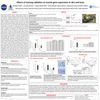
 Early changes in skin gene expression can predict later bone mass loss after radiation exposure.
April 2014 in “동의생리병리학회지” Samhwang-Sasimtang extract promotes hair growth and has strong antioxidant properties.
1 citations
,
April 2017 in “Journal of Investigative Dermatology” ZNF750 and MPZL3 are important in causing seborrheic dermatitis.
 October 2023 in “Journal of dermatological science”
 New mutations in MBTPS2 reduce its function and cause IFAP syndrome with unusual symptoms.
 April 2019 in “Journal of Investigative Dermatology”
 Removing REDD1 in mice increases skin fat by making fat cells larger and more numerous.
February 2026 in “Advanced Science” TTNPB helps turn stem cells into neural stem cells, improving depression-like behaviors in rats.
Blocking CXCR4 may help treat hidradenitis suppurativa.
 July 2016 in “Experimental Dermatology”
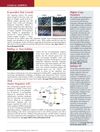
 New treatments for hair growth and psoriasis may be possible, and gene differences could affect baldness and the severity of skin conditions.
190 citations
,
July 2006 in “Experimental Dermatology” The hedgehog signalling pathway is key in skin development and basal cell carcinoma, offering insights for prevention and treatment.
 April 2023 in “Journal of Investigative Dermatology”
 The mTOR signaling pathway might play a role in radiation dermatitis, but more research is needed.

Inhibiting AP-1 changes skin tumor types and affects tumor cell identity.