July 2024 in “Journal of Investigative Dermatology” Brepocitinib improves cicatricial alopecia and reduces key immune markers.
October 2023 in “The Open Dermatology Journal” Baricitinib is effective for severe alopecia areata with manageable side effects, mainly upper respiratory infections.
 20 citations
,
March 2023 in “American Journal of Clinical Dermatology”
20 citations
,
March 2023 in “American Journal of Clinical Dermatology” Baricitinib improved severe hair loss in adults over 52 weeks and was safe to use.
 September 2022 in “Journal of The American Academy of Dermatology”
 Baricitinib was effective in regrowing eyebrow and eyelash hair in patients with severe alopecia areata.
 1 citations
,
January 2023 in “Cutis”
1 citations
,
January 2023 in “Cutis” The paper concludes that the new medication baricitinib needs further testing in a more diverse group of patients with alopecia areata.
 August 2024 in “JAMA Dermatology”
 Continuous baricitinib is needed to keep hair regrowth in severe alopecia areata.
 1 citations
,
August 2021 in “Journal of The American Academy of Dermatology”
1 citations
,
August 2021 in “Journal of The American Academy of Dermatology” Baricitinib was effective in treating both early and late onset alopecia areata.
17 citations
,
October 2024 in “Journal of the American Academy of Dermatology” Brepocitinib effectively reduces inflammation and improves symptoms in cicatricial alopecia with good safety.
 1 citations
,
August 2021 in “Journal of The American Academy of Dermatology”
1 citations
,
August 2021 in “Journal of The American Academy of Dermatology” Baricitinib helped improve hair, eyebrow, and eyelash growth in alopecia areata patients.
2 citations
,
March 2026 in “Journal of Dermatological Treatment” JAK inhibitors for alopecia areata have different safety risks, requiring specific monitoring for each drug.
 June 2023 in “Fundamental & clinical pharmacology”
 JAK inhibitors help treat some diseases but may increase risks of blood clots and cancer in certain patients.
10 citations
,
November 2017 in “Letters in drug design & discovery” Researchers identified promising inhibitors for the BRD4 protein, including finasteride and amentoflavone.
 1 citations
,
September 2023 in “Journal of the American Academy of Dermatology”
1 citations
,
September 2023 in “Journal of the American Academy of Dermatology” Baricitinib significantly improves hair regrowth in severe alopecia areata.
September 2025 in “Bioengineering” The framework helps predict adverse effects of blood thinners, improving drug selection for atrial fibrillation.
 November 2025 in “SKIN The Journal of Cutaneous Medicine”
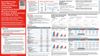
 Baricitinib works better in adolescents than adults for treating severe alopecia areata.
 3 citations
,
May 2023 in “Clinical drug investigation”
3 citations
,
May 2023 in “Clinical drug investigation” JAK inhibitors for alopecia areata are linked to minor side effects like headache and acne, but not to an increased risk of serious adverse events.
 February 2024 in “Journal of the European Academy of Dermatology and Venereology”
 Baricitinib is effective and safe for long-term use in severe alopecia areata, improving hair regrowth and quality of life with few side effects.
November 2023 in “Journal of Investigative Dermatology” JAK inhibitors are effective and generally safe for treating alopecia areata, but monitoring for side effects is important.
3 citations
,
May 2024 in “Indian Journal of Dermatology” Tofacitinib can cause a rare rash called SDRIFE, which resolves after stopping the drug.
11 citations
,
February 2022 in “JAAD case reports” Abrocitinib, a JAK inhibitor, may help treat atopic dermatitis and alopecia universalis together.
June 2025 in “British Journal of Dermatology” Ritlecitinib may cause serious side effects like blood clots in alopecia areata patients.
36 citations
,
December 2021 in “The journal of allergy and clinical immunology/Journal of allergy and clinical immunology/The journal of allergy and clinical immunology” Two drugs, ritlecitinib and brepocitinib, improved scalp hair loss condition markers.
 2 citations
,
April 2023 in “JEADV. Journal of the European Academy of Dermatology and Venereology/Journal of the European Academy of Dermatology and Venereology”
2 citations
,
April 2023 in “JEADV. Journal of the European Academy of Dermatology and Venereology/Journal of the European Academy of Dermatology and Venereology” JAK-inhibitors for alopecia areata are generally safe with mostly mild side effects and a low rate of treatment withdrawal.
13 citations
,
January 2021 in “The American journal of gastroenterology” Sirolimus effectively reduces lesions and improves quality of life in Blue Rubber Bleb Nevus Syndrome with manageable side effects.
1 citations
,
March 2023 in “Anais Brasileiros de Dermatologia” July 2024 in “Journal of Investigative Dermatology” Brepocitinib reduces interferon signaling in hidradenitis suppurativa patients.
 4 citations
,
September 2022 in “Journal of The American Academy of Dermatology”
4 citations
,
September 2022 in “Journal of The American Academy of Dermatology” Baricitinib was effective in regrowing hair in patients with different levels of alopecia areata severity.
20 citations
,
December 2021 in “Journal of the American Academy of Dermatology” Continuous treatment with ritlecitinib and brepocitinib is needed to maintain hair regrowth in alopecia areata.
November 2025 in “SKIN The Journal of Cutaneous Medicine” Baricitinib is effective and safe for treating severe alopecia areata for up to 5 years.
4 citations
,
October 2024 in “Journal of the American Academy of Dermatology” Abrocitinib may help treat alopecia areata effectively with mild side effects.