 June 2022 in “International journal of research and review”
 The article concludes that early diagnosis and lifestyle changes can prevent complications from high uric acid levels.
A gluten-free diet and removing the parathyroid adenoma helped a girl with coeliac disease and high calcium levels start puberty.
 January 2004 in “Online Publication Service of Würzburg University (Würzburg University)”
 Women with PCOS have higher 5alpha-reductase activity, affecting steroid levels.
 2 citations
,
January 2008 in “Elsevier eBooks”
2 citations
,
January 2008 in “Elsevier eBooks” Humans have limited regenerative abilities, but new evidence shows the adult brain and heart can regenerate, and future treatments may improve this by mimicking stem cell environments.
 1 citations
,
June 2025 in “Environmental Research”
1 citations
,
June 2025 in “Environmental Research” Most women had adequate essential elements except zinc, and lead levels were higher in peri-/post-menopausal women.
A man developed an eye nerve issue after hair surgery due to prolonged upright posture affecting brain fluid balance.
 48 citations
,
March 2003 in “BJOG: An International Journal of Obstetrics and Gynaecology”
48 citations
,
March 2003 in “BJOG: An International Journal of Obstetrics and Gynaecology” Mothers and newborns with dental fillings had higher mercury in their hair, but getting fillings during pregnancy didn't raise mercury levels further.
 171 citations
,
October 1990 in “Alcoholism/Alcoholism, clinical and experimental research”
171 citations
,
October 1990 in “Alcoholism/Alcoholism, clinical and experimental research” The document concludes that the exact way alcohol causes harm to fetal development is unknown, but it significantly affects nutrient transport to the fetus and a safe level of alcohol during pregnancy is not determined.
 178 citations
,
May 2006 in “Developmental Dynamics”
178 citations
,
May 2006 in “Developmental Dynamics” Jumonji genes are important for development and their mutations can cause abnormalities, especially in the heart and brain.
 76 citations
,
May 2011 in “Liver transplantation”
76 citations
,
May 2011 in “Liver transplantation” Liver transplantation is a viable option for children with propionic acidemia, improving quality of life and diet, but does not remove all risks and long-term brain outcomes are uncertain.
 48 citations
,
June 2014 in “Neurobiology of Disease”
48 citations
,
June 2014 in “Neurobiology of Disease” The study suggests that motor neurons created from stem cells of patients with spinal and bulbar muscular atrophy show signs of the disease, including changes in protein levels and cell functions.
 20 citations
,
January 2003 in “Treatments in Endocrinology”
20 citations
,
January 2003 in “Treatments in Endocrinology” Testosterone therapy can help improve mood, sexual function, and bone health in women with low androgen levels, but more research is needed to establish safe and effective guidelines.
 19 citations
,
July 2013 in “The obstetrician & gynaecologist”
19 citations
,
July 2013 in “The obstetrician & gynaecologist” The document concludes that careful evaluation is needed to diagnose PCOS correctly due to similar symptoms in other conditions, and accurate testosterone level measurement is crucial.
 18 citations
,
November 2016 in “Neuromuscular Disorders”
18 citations
,
November 2016 in “Neuromuscular Disorders” Patients with myotonic dystrophy often have skin problems that suggest early aging and vitamin D issues, and the severity of these problems is linked to their genetic condition and vitamin D levels.
 15 citations
,
October 2020 in “European journal of pharmaceutics and biopharmaceutics”
15 citations
,
October 2020 in “European journal of pharmaceutics and biopharmaceutics” Caffeine penetrates skin quickly through open hair follicles, but less through closed ones, with levels becoming equal after 22 hours.
 13 citations
,
September 2024 in “Frontiers in Pharmacology”
13 citations
,
September 2024 in “Frontiers in Pharmacology” Morroniside has many health benefits, including protection against diabetes complications, bone and brain diseases, heart and skin issues, and it supports hair growth and reduces inflammation.
 10 citations
,
January 2014 in “Journal of prosthodontic research”
10 citations
,
January 2014 in “Journal of prosthodontic research” Bioengineered salivary glands in mice can produce saliva when tasting sour or bitter, but have different protein levels and nerve signals compared to natural glands.
 6 citations
,
May 2014 in “Biomarkers and Genomic Medicine”
6 citations
,
May 2014 in “Biomarkers and Genomic Medicine” Charnoly bodies could be a marker for cell damage, and certain nutrients and proteins might prevent them, potentially helping with brain diseases and cancer.
 5 citations
,
January 2017 in “Molecular Medicine Reports”
5 citations
,
January 2017 in “Molecular Medicine Reports” Human hair follicle cells can be turned into neural stem cell-like cells, which might help treat brain diseases.
 1 citations
,
November 2022 in “World Family Medicine Journal /Middle East Journal of Family Medicine”
1 citations
,
November 2022 in “World Family Medicine Journal /Middle East Journal of Family Medicine” People in Jeddah know about Vitamin D and its sources but are unclear on how much they need daily, and while many women take supplements, attitudes towards increasing Vitamin D levels vary.
 1 citations
,
January 2019 in “Advances in Medical Sciences”
1 citations
,
January 2019 in “Advances in Medical Sciences” The combination of azelaic acid, minoxidil, and caffeine significantly increased the survival of skin flaps by affecting certain body channels and nitric oxide levels.
 1 citations
,
May 2017 in “InTech eBooks”
1 citations
,
May 2017 in “InTech eBooks” Hair loss in Androgenetic alopecia (AGA) is due to altered cell sensitivity to hormones, not increased hormone levels. Hair growth periods shorten over time, causing hair to become thinner and shorter. This is linked to miscommunication between cell pathways in hair follicles. There's also a change in gene expression related to blood vessels and cell growth in balding hair follicles. The exact molecular causes of AGA are still unclear.
 April 2022 in “Archives of Medical Case Reports and Case Study”
 COVID-19 pneumonia requires more intensive care, including monitoring liver functions and DVT, due to higher D-dimer and procalcitonin levels.
January 2020 in “Proyecto de investigación:” Longer anogenital distance may indicate a higher chance of having polycystic ovary syndrome, and measuring this distance along with hormone levels could improve diagnosis.
Hormones, especially testosterone and DHT, are key for penis development and function, and testosterone therapy may help with erectile dysfunction in those with low levels.
 177 citations
,
December 2002 in “The Lancet”
177 citations
,
December 2002 in “The Lancet” Fibrinogen/LDL apheresis may improve speech perception in sudden hearing loss, especially for those with high fibrinogen and LDL levels.
 29 citations
,
December 2005 in “BioEssays”
29 citations
,
December 2005 in “BioEssays” Wnt/ß-catenin signaling is crucial for regulating skin stem cells and hair growth, with the right levels and timing needed for proper function.
 2 citations
,
January 1998 in “Dermatology”
2 citations
,
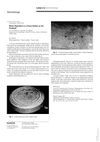
January 1998 in “Dermatology” Stopping forehead irritation and using hydrocortisone helped a man's skin, Martinique has lower melanoma rates, a man had an allergy to a specific antifungal, another had unexplained cysts, certain drugs can cause skin reactions without always being interrelated, a link between Fanconi anemia and a skin condition was suggested, high levels of a certain protein may play a role in a type of psoriasis, and there's a need to study the connection between scalp pain and hair loss.
11 citations
,
July 2015 in “Frontiers in Cellular Neuroscience” Corticosterone makes ethanol more effective at blocking brain processes important for learning and memory.
47 citations
,
January 2016 in “Brain Behavior and Immunity” 5α-reduced progestogens may reduce mood issues and brain damage linked to HIV-1 Tat.