 May 2026 in “Zenodo (CERN European Organization for Nuclear Research)”
 Natural hair dyes like henna and beetroot are safer but have limited colors and may fade easily.
January 2026 in “Journal of Radiation Research” 53BP1 focus analysis in hair cells can help estimate radiation doses.
 1 citations
,
January 2023 in “Indian Journal of Animal Research”
1 citations
,
January 2023 in “Indian Journal of Animal Research” A new method effectively stains hair samples for study without losing hair sections.
 June 2023 in “International journal of research in ayurveda and pharmacy”
 Dhatryadi Rasayana, an Ayurvedic herbal mix, may be a safe and effective way to prevent premature hair greying.
 41 citations
,
April 2016 in “Journal of experimental botany”
41 citations
,
April 2016 in “Journal of experimental botany” RACB in barley is crucial for cell polarity and nucleus positioning, aiding fungal infection.
8 citations
,
January 1984 in “Veterinary Pathology” Toy poodles may develop harmless mineral deposits around hair follicles as they age.
5 citations
,
March 2008 in “DMW - Deutsche Medizinische Wochenschrift” A man was poisoned with thallium, treated successfully, but still had some nerve issues after 6 months.
 April 2025 in “International Journal of Cosmetic Science”
 A new hair perming method avoids damage and lasts longer than traditional methods.
20 citations
,
January 2019 in “Toxicology Reports” Dunaliella salina microalgae is safe to eat and may boost health.
2 citations
,
August 2002 in “PubMed” Hibiscus leaves and apple skin could be effective in hair tonics to prevent hair loss.
 May 2025 in “International Journal Of Science Technology & Management”
 The pomade business is viable with a 1.24 R/C Ratio.
5 citations
,
January 2011 in “International Journal of Cosmetic Science” 1,2,3,4-tetrahydroquinoline compounds are great for stable, pure blue hair dye.
47 citations
,
May 1994 in “Experimental Brain Research” The mystacial pad's innervation in adult rats is more complex than previously thought.
11 citations
,
September 2021 in “American Journal of Medical Genetics Part A” Four new cases of Bachmann-Bupp syndrome suggest potential for targeted treatment.
 January 2025 in “International Journal of Advanced Research in Science Communication and Technology”
 Polyherbal hair dyes are safer and more eco-friendly than chemical dyes.
Bubble microneedles effectively deliver drugs through the skin and mouth, improving treatment speed and efficiency.
2 citations
,
May 2019 in “International Journal of Molecular Sciences” Tranexamic acid turns white hair brown in certain mice by affecting specific proteins.
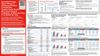 November 2025 in “SKIN The Journal of Cutaneous Medicine”
 Baricitinib works better in adolescents than adults for treating severe alopecia areata.
February 2026 in “Advanced Science” TTNPB helps turn stem cells into neural stem cells, improving depression-like behaviors in rats.
4 citations
,
July 2024 in “Pharmacology Research & Perspectives” Ritlecitinib is safe and may effectively treat alopecia areata.
 119 citations
,
June 1993 in “BMJ”
119 citations
,
June 1993 in “BMJ” Alopecia is a key indicator of thallium poisoning.
Tianqi trichogen boosts hair growth in animals without causing allergies.
3 citations
,
October 1994 in “Medical Molecular Morphology” The lower part of rat vibrissa hair gets more blood and is well-protected for growth.
4 citations
,
March 1968 in “The Lancet” Avoiding aspirin may prevent hair loss.
 April 2026 in “Zenodo (CERN European Organization for Nuclear Research)”
 Natural plant-based hair dyes are safer and eco-friendly alternatives to synthetic dyes.
 6 citations
,
October 2019 in “Jo'jig gonghag gwa jaesaeng uihag/Tissue engineering and regenerative medicine”
6 citations
,
October 2019 in “Jo'jig gonghag gwa jaesaeng uihag/Tissue engineering and regenerative medicine” Rice bran extract boosts melanin production in hair follicles.
 5 citations
,
February 2020 in “European Food Research and Technology”
5 citations
,
February 2020 in “European Food Research and Technology” African baobab fruit is a good source of antioxidants and micronutrients, but too much can cause laxative effects.
January 2025 in “Digital Repository (National Repository of Grey Literature)” Red hair is linked to worse health, especially in women.
March 2026 in “Microchemical Journal”