 July 2025 in “Journal of Cosmetic Dermatology”
 Alternative treatments are needed when Tofacitinib alone fails for alopecia areata.
June 2025 in “Revista Foco” JAK inhibitors effectively treat severe alopecia areata with manageable side effects.
 May 2025 in “Orphanet Journal of Rare Diseases”
 TNF-α blockers and IL inhibitors improve symptoms in most patients with severe scalp condition, but more research is needed.

Baricitinib is more effective than tofacitinib for hair regrowth in alopecia patients.
 May 2025 in “RCMOS - Revista Científica Multidisciplinar O Saber”
 Combining different therapies is needed for effective male hair loss treatment.
 April 2025 in “Frontiers in Immunology”
 Tofacitinib effectively regrows hair in alopecia areata but may need continuous use.
 April 2025 in “International Journal of Molecular Sciences”
 New treatments for hair loss show promise with advanced therapies and better targeting.
April 2025 in “Acta Dermato Venereologica” Janus Kinase inhibitors are effective and safe for treating alopecia areata, but more research is needed.
 March 2025 in “Journal of Education Health and Sport”
 Alopecia areata causes hair loss due to immune issues, and while new treatments show promise, no universally effective solution exists yet.
 January 2025 in “Journal of Cutaneous Immunology and Allergy”
 Baricitinib is effective for treating severe alopecia areata in Japanese patients, but long-term safety needs more study.
 January 2025 in “Frontiers in Medicine”
 Hair follicles are key to treating vitiligo and alopecia areata, but challenges exist.
 October 2024 in “Journal of the European Academy of Dermatology and Venereology”
 Ritlecitinib and baricitinib are similarly effective for hair regrowth in severe alopecia areata.
 October 2024 in “Scientific Reports”
 OXTR agonists may promote hair growth and be effective for treating hair loss.
 August 2024 in “Frontiers in Public Health”
 Alopecia Areata severely impacts mental health, causing anxiety and depression, affecting quality of life.
New drugs, baricitinib and ritlecitinib, are effective for severe alopecia areata.
 October 2023 in “The Cochrane library”
 The medicine baricitinib was found to notably improve hair regrowth in alopecia areata, but more research is needed on its side effects and other treatments.
 September 2023 in “Dermatology and Therapy”
 Baricitinib effectively regrows hair in most people with severe alopecia, especially those with patchy hair loss, but hair may fall out again if treatment stops.
 September 2023 in “JAAD case reports”
 A man developed oral hairy leukoplakia while on baricitinib, a medication for alopecia and arthritis, and doctors should watch for such side effects.
 July 2023 in “IntechOpen eBooks”
 New treatments for alopecia areata show promise, but more research is needed to confirm their effectiveness.
June 2023 in “Skin Health and Disease” New treatments are improving skin disease management and skin health.
 June 2023 in “British Journal of Dermatology”
 Baricitinib was effective and safe for severe hair loss treatment over 6 months.
 May 2023 in “Journal of managed care & specialty pharmacy”
 Alopecia areata causes hair loss and life quality issues; current treatments are often unsatisfactory, but new drugs like JAK inhibitors show promise.
 May 2023 in “Journal of Clinical Medicine”
 New understanding and treatments for hair loss are improving, but more research is needed.
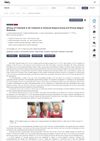
Tofacitinib may effectively treat hair loss and improve symptoms in autoimmune conditions like alopecia areata and Sjögren's syndrome, but long-term treatment might be necessary.
 January 2023 in “Indian Dermatology Online Journal”
 No single ideal JAK inhibitor for alopecia areata has been determined; JAK3 inhibitors may be promising with fewer side effects.
January 2026 in “Journal of Investigative Dermatology” Special cells can help regrow hair in alopecia areata.
 March 2024 in “International Journal of Dermatology”
 Baricitinib improved nail condition and hair regrowth in a patient with alopecia and nail abnormalities.
1 citations
,
January 2025 in “JEADV Clinical Practice” Disease-specific tools better assess alopecia areata's impact on quality of life.
 September 2025 in “Australasian Journal of Dermatology”
 New medications could improve treatment for severe alopecia areata in Australia.