 15 citations
,
January 2024 in “The AAPS Journal”
15 citations
,
January 2024 in “The AAPS Journal” 50-mg ritlecitinib capsules are bioequivalent to 100-mg capsules.
 8 citations
,
December 2008 in “Clinical and Experimental Dermatology”
8 citations
,
December 2008 in “Clinical and Experimental Dermatology” Radiotherapy was effective for treating a large scalp plaque of Bowen's disease when other treatments failed.
1 citations
,
May 2022 in “The FASEB journal” The document concludes that biotin, folate, and RGD peptides are promising for targeting cancer cells with prodrugs, but the conjugates are not yet tested for use.
 August 2024 in “JAMA Dermatology”
 Continuous baricitinib is needed to keep hair regrowth in severe alopecia areata.
7 citations
,
June 2025 in “International Journal of Molecular Sciences” Vitexin shows promise as a cancer treatment by affecting key cellular processes and pathways.
 3 citations
,
May 2025 in “Frontiers in Pharmacology”
3 citations
,
May 2025 in “Frontiers in Pharmacology” Vismodegib can cause muscle spasms, taste changes, hair loss, fatigue, weight loss, and possibly new issues like skin cancer, dehydration, and swallowing problems, needing close monitoring.
2 citations
,
May 2020 in “JAAD case reports” Ruxolitinib can cause a delayed skin reaction on the nose.
April 2026 in “Future Medicinal Chemistry” PROTACs have become a breakthrough in medicine by effectively targeting and degrading specific proteins to treat diseases.
 1 citations
,
November 2018 in “Therapeutic Delivery”
1 citations
,
November 2018 in “Therapeutic Delivery” New partnerships, clinical trials, and drug approvals marked progress in therapeutic delivery in July 2018.
 April 2017 in “The journal of investigative dermatology/Journal of investigative dermatology”
 Most patients experienced mild to moderate skin problems during a trial for a desmoid tumor treatment.
March 2021 in “Arrow - TU Dublin (Technological University Dublin)” The folate-cyclodextrin conjugate targets cancer cells more precisely, potentially reducing chemotherapy side effects.
July 2024 in “Reactions Weekly”  November 2023 in “Annales de dermatologie et de vénéréologie, FMC”
 Baricitinib effectively treats severe alopecia for up to 104 weeks.
3 citations
,
July 2025 in “Clinical and Experimental Dermatology” Ritlecitinib may be more effective for severe alopecia areata than conventional treatments.
 5 citations
,
January 2021 in “Daru”
5 citations
,
January 2021 in “Daru” A woman had severe reactions to methotrexate, including skin issues and organ problems, but improved after 38 days in the hospital.
5 citations
,
January 2016 in “Indian dermatology online journal” A 25-year-old man with multiple skin tumors was successfully treated with acitretin and methotrexate.
2 citations
,
October 2025 in “Frontiers in Medicine” Deuruxolitinib effectively improves hair regrowth in alopecia areata but requires monitoring for side effects.
 April 2012 in “Journal of the American Academy of Dermatology”
 Clofazimine effectively treated ashy dermatosis in a patient.
January 2019 in “11th World congress for hair research” 20 citations
,
May 2007 in “JDDG Journal der Deutschen Dermatologischen Gesellschaft” Etanercept effectively treated a severe skin condition when other treatments failed.
 522 citations
,
January 2001 in “Cancer investigation”
522 citations
,
January 2001 in “Cancer investigation” Doxil is an effective, modified chemotherapy drug with a unique toxicity profile and shows promise in treating certain cancers.
5 citations
,
March 2023 in “PubMed” Advanced therapy medicinal products show promise for vitiligo treatment with fewer side effects, but affordability is a challenge.
May 2026 in “Chemical Engineering Journal” Combining pentoxifylline with corticosteroids improves alopecia areata treatment.
July 2024 in “Journal of Investigative Dermatology” INTASYL is a promising, adaptable RNAi technology for treating skin cancers.
 January 2022 in “Dermatology Review”
 Microneedling with bleomycin effectively treats plantar warts with fewer sessions.
 June 2018 in “Reactions Weekly”
 A 65-year-old man developed a serious skin cancer linked to a drug he was taking for a fungal infection after a bone marrow transplant.
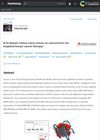 January 2025 in “Nanoscale”
 Boron/nitrogen-doped carbon nano-onions improve targeted breast cancer treatment by enhancing drug delivery and reducing side effects.
Finasteride may help treat childhood brain tumors by activating certain genes.
 January 2024 in “Wiadomości Lekarskie”
 Pemigatinib may be effective for treating ZMYM2::FGFR1 fusion-positive leukemia.