42 citations
,
August 2012 in “Psychoneuroendocrinology” Finasteride reduces certain behaviors caused by D1-like receptor agonists but not by D2-like receptor agonists in mice.
 31 citations
,
April 2018 in “Royal Society open science”
31 citations
,
April 2018 in “Royal Society open science” Sarcoptes scabiei infection causes significant health and behavior changes in wombats.
 8 citations
,
February 2005 in “British Journal of Haematology”
8 citations
,
February 2005 in “British Journal of Haematology” Chemotherapy caused the patient's hair to have alternating thick and thin segments.
21 citations
,
February 1988 in “Toxicology” High doses of TCB cause severe health issues in marmoset monkeys.

Meis2 is essential for touch sensation and proper nerve connection to touch receptors in certain skin areas of mice.
 7 citations
,
January 2020 in “Nature”
7 citations
,
January 2020 in “Nature” Stress turns hair white by depleting color-giving cells in hair follicles through a specific neurotransmitter related to the body's stress response.
24 citations
,
November 1997 in “Journal of Biological Chemistry” Mouse high-glycine/tyrosine proteins have distinct patterns in hair follicles, peaking at specific hair cycle days.
 September 2021 in “Research Square (Research Square)”
 Not having enough or having too much of the protein Grainyhead-like 3 leads to various developmental problems.
71 citations
,
May 1996 in “Journal of Investigative Dermatology” Ornithine decarboxylase is crucial for hair growth regulation in mice.
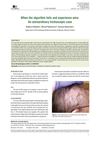 January 2026 in “Forum Dermatologicum”
 Thorough hair examination is crucial for accurate diagnosis and treatment.
38 citations
,
November 2005 in “The journal of investigative dermatology. Symposium proceedings/The Journal of investigative dermatology symposium proceedings” Understanding normal hair follicle development helps analyze abnormalities in mutant mice.
 131 citations
,
March 2004 in “The American journal of pathology”
131 citations
,
March 2004 in “The American journal of pathology” Modulating BMP activity changes the number, size, shape, and type of ectodermal organs.
 1 citations
,
January 2018 in “Acta dermato-venereologica”
1 citations
,
January 2018 in “Acta dermato-venereologica” A teenager's hair with alternating white and dark bands, known as Pili annulati, is a genetic condition that is usually harmless and often considered attractive.
 December 2021 in “Research Square (Research Square)”
 M-CSF-stimulated myeloid cells can cause alopecia areata in mice.
33 citations
,
January 2004 in “Photochemistry and Photobiology” Superoxide dismutase (SOD) can prevent hair graying in mice.
128 citations
,
March 1989 in “Experimental Cell Research” Hoxc13 is important for hair and tongue development by controlling hair keratin genes.
11 citations
,
November 2019 in “The FASEB Journal” A mutation in the MAP2 gene causes reduced hair follicle density, leading to hairlessness.
 January 2025 in “PLoS ONE”
 ING5 is crucial for stem cell maintenance and preventing certain cancers.
December 2024 in “European journal of medical research” 1 citations
,
July 2006 in “Journal of Investigative Dermatology” A 4kb fragment of the desmocollin 3 promoter targets gene expression to specific skin and hair follicle areas.
33 citations
,
August 2009 in “Journal of Investigative Dermatology” Overexpressing the epigen gene in mice leads to enlarged sebaceous glands and greasy fur.
March 2025 in “Multidisciplinary Science Journal” Sonic hedgehog (Shh) is crucial for gecko tail regeneration.
January 2025 in “Arquivo Brasileiro de Medicina Veterinária e Zootecnia” Agoutis in captivity have more resting (telogen) hairs than growing (anagen) hairs, regardless of season or gender.
7 citations
,
January 2013 in “Indian dermatology online journal” A rare skin condition with dark, thick, warty patches and some hair loss was found in a newborn boy.
December 2024 in “PLoS ONE” Alopecia in gray bats is most common and severe during lactation, likely due to stress and nutrition.
39 citations
,
November 2005 in “The journal of investigative dermatology/Journal of investigative dermatology” Fatp4 is crucial for healthy skin development and function.
June 2021 in “Current developments in nutrition” High doses of finasteride lower cholesterol and body weight in certain mice.
54 citations
,
October 2007 in “The FASEB Journal” Phospholipase C-δ1 is crucial for normal hair development.
January 2013 in “대한미용학회지” Chamaecyparis obtusa oil promotes hair growth in mice.
February 2024 in “bioRxiv (Cold Spring Harbor Laboratory)” Increased energy use in Pik3r1-related insulin resistance isn't due to Ucp1 thermogenesis.