 April 2018 in “Journal of Investigative Dermatology”
 Both Th1 and Th2 immune responses are increased in alopecia areata, with Th2 response more strongly linked to how severe the disease is.
 1 citations
,
March 2004 in “Journal of the American Academy of Dermatology”
1 citations
,
March 2004 in “Journal of the American Academy of Dermatology” Certain genes are linked to the risk of developing Alopecia Areata.
9 citations
,
June 2017 in “The journal of allergy and clinical immunology/Journal of allergy and clinical immunology/The journal of allergy and clinical immunology” Local inflammation worsens autoimmune skin conditions by increasing antibody buildup.
May 2021 in “Benha Journal of Applied Sciences” Women with androgenic alopecia may have a higher risk of artery problems.
January 2008 in “Bradford Scholars (University of Bradford)” Alopecia areata may be caused by antibodies targeting specific hair follicle proteins, hindering hair growth.
 25 citations
,
September 2010 in “Journal of Cutaneous Medicine and Surgery”
25 citations
,
September 2010 in “Journal of Cutaneous Medicine and Surgery” The study found that Central Centrifugal Cicatricial Alopecia mainly affects middle-aged African descent women, is linked to certain hair care practices and genetics, and often goes undiagnosed for years.
3 citations
,
January 2016 in “Journal of Clinical & Cellular Immunology” Targeting CXCL10 may help treat alopecia areata.
 15 citations
,
November 2012 in “International Journal of Dermatology”
15 citations
,
November 2012 in “International Journal of Dermatology” The conclusion is that hair loss from CCCA may be genetic and not solely caused by hair grooming practices.
The nail immune system is similar to hair but different from skin, with fewer immune markers.
 December 2024 in “Quality in Sport”
 PCOS involves immune system issues and inflammation, possibly leading to autoimmune diseases.
January 2020 in “JAAD case reports” Systemic mastocytosis may cause a type of hair loss called cicatricial alopecia.
31 citations
,
October 1992 in “PubMed” A mycobacterial protein shares a similar region with a human skin protein, possibly affecting skin diseases.
26 citations
,
September 2009 in “Clinical genetics” Arab APS1 patients have unique and recurrent AIRE gene mutations.
7 citations
,
March 2024 in “Skin Research and Technology” miR-200c-3p could help diagnose and treat alopecia areata.
 3 citations
,
May 2018 in “Journal of Cosmetic Dermatology”
3 citations
,
May 2018 in “Journal of Cosmetic Dermatology” Biopsy can differentiate between alopecia areata and androgenic alopecia, and if more information is needed, testing for CD3 and CD8 can help.

Careful diagnosis and management of MCTD are crucial due to potential severe complications.
1 citations
,
September 2025 in “Frontiers in Immunology” Alopecia areata involves complex immune dysregulation, mainly driven by Th1 activity, suggesting broader treatment strategies.
 12 citations
,
June 2010 in “Journal of dermatology”
12 citations
,
June 2010 in “Journal of dermatology” Some patients with severe alopecia areata developed skin darkening from their treatment, which may indicate a less effective response to the therapy.
37 citations
,
April 2018 in “Journal of Allergy and Clinical Immunology” A mutation in the IKZF1 gene causes immune system overactivity, linked to autoimmune diseases like lupus.
 5 citations
,
February 2015 in “Endocrinology Diabetes and Metabolism Case Reports”
5 citations
,
February 2015 in “Endocrinology Diabetes and Metabolism Case Reports” Insulin therapy helped a man with autoimmune issues regrow his hair.
March 2026 in “Microchemical Journal”  September 2022 in “Skin appendage disorders”
 Seborrheic dermatitis may contribute to the development of central centrifugal cicatricial alopecia.
July 2025 in “Journal of Investigative Dermatology” Enhancing Tregs can protect against alopecia areata.
7 citations
,
May 1993 in “Journal of the European Academy of Dermatology and Venereology” Cell adhesion molecules are important in the development of certain skin diseases.
 46 citations
,
May 1997 in “British journal of dermatology/British journal of dermatology, Supplement”
46 citations
,
May 1997 in “British journal of dermatology/British journal of dermatology, Supplement” Vitiligo is not linked to coeliac disease, but a small number of alopecia areata patients may have it, suggesting they should be tested for coeliac disease.
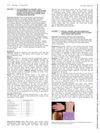
A TNFAIP3 gene mutation can cause unusual and varied symptoms of lupus and Sjogren's syndrome.
 19 citations
,
August 2011 in “Archives of Dermatology”
19 citations
,
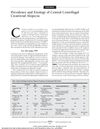
August 2011 in “Archives of Dermatology” CCCA is a common scarring hair loss in African descent women, possibly linked to genetics, hair care practices, and health issues like diabetes.
December 2025 in “Skin Appendage Disorders” Topical cetirizine may help increase hair count in androgenetic alopecia.
 3 citations
,
May 2019 in “Australasian Journal of Dermatology”
3 citations
,
May 2019 in “Australasian Journal of Dermatology” Hair loss in Cronkhite-Canada syndrome may be caused by autoimmune factors, not just stress or malabsorption.
 3 citations
,
February 2022 in “Journal of the American Academy of Dermatology”
3 citations
,
February 2022 in “Journal of the American Academy of Dermatology” Black patients with a specific type of hair loss have a much higher chance of lacking enough vitamin D.