July 2026 in “Journal of Enzyme Inhibition and Medicinal Chemistry” Improved CRBN ligands make protein degraders more effective and drug-like.
November 2025 in “Advanced Healthcare Materials” Charge-conversion chemistry improves hair-rebonding by enhancing penetration and strength.
 1 citations
,
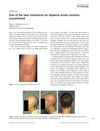
June 2018 in “International Journal of Dermatology”
1 citations
,
June 2018 in “International Journal of Dermatology” DNCB is highly effective for treating alopecia areata with minimal long-term side effects.
April 2018 in “Journal of Investigative Dermatology” Ceramide synthase 4 is essential for maintaining skin barrier health.
 January 2024 in “Pharmaceutical medicine”
 Most European physicians know the risks and safe use of Cyproterone acetate, but few remember receiving official safety communications.
 4 citations
,
October 2000 in “Contraception”
4 citations
,
October 2000 in “Contraception” The right dosage of CPA and TB can work as a safe and reversible male contraceptive in monkeys.
3 citations
,
February 2018 in “Experimental and Molecular Medicine/Experimental and molecular medicine” A protein called PCBP2 controls the production of a hair growth protein by interacting with its genetic message and is linked to hair loss when this control is disrupted.
7 citations
,
September 1988 in “Baillière's clinical obstetrics and gynaecology” Cyproterone acetate is effective for treating hirsutism and acne in women by blocking androgens in the skin and also works as a contraceptive.
 March 2026 in “Folia Histochemica et Cytobiologica”
 LTBP1 is a key regulator in diseases and a potential target for new treatments.
A new method creates valuable compounds for drug discovery by breaking traditional chemical rules.
 January 2025 in “Nature Communications”
 CPK1 helps root hair growth in Arabidopsis by activating channels for calcium signaling.
 6 citations
,
January 2020 in “International journal of biological sciences”
6 citations
,
January 2020 in “International journal of biological sciences” Removing the ROBO4 gene in mice reduces skin inflammation and hair loss by affecting certain inflammation pathways and gene expression.
29 citations
,
September 2020 in “Polymers” The PCL/PHB blend allows for slower, more controlled curcumin release than individual polymers.
January 2019 in “11th World congress for hair research” January 2026 in “RSC Medicinal Chemistry” 2,5-DBH shows promise for improving drugs in cancer, brain disorders, and infections.
 April 2017 in “Journal of Investigative Dermatology”
 Applying pseudoceramide improved skin and hair health.
 101 citations
,
July 2021 in “Nature Communications”
101 citations
,
July 2021 in “Nature Communications” 4D polycarbonate scaffolds show promise for soft tissue repair due to their biocompatibility, shape memory, and minimal immune response.
 April 2021 in “Journal of Investigative Dermatology”
 People with atopic dermatitis have more CD4+ T cells that respond to a certain bacterial lipid, which may play a role in the skin condition's inflammation.
 1 citations
,
June 2023 in “Animals”
1 citations
,
June 2023 in “Animals” CRABP2 helps increase the growth of cells important for hair growth by activating a specific growth pathway.
28 citations
,
February 2007 in “Cancer Research” Blocking certain proteins in mouse skin can reduce and shrink skin tumors.
24 citations
,
July 1983 in “Journal of steroid biochemistry/Journal of Steroid Biochemistry” Cyproterone acetate is used to treat conditions like prostate cancer, early puberty, excessive sexual drive, and female androgenization by blocking male sex hormones.
 7 citations
,
March 2022 in “Molecules”
7 citations
,
March 2022 in “Molecules” 5-Bromo-3,4-dihydroxybenzaldehyde could potentially help hair growth by activating certain cell pathways and inhibiting others.
March 2026 in “Tissue Engineering and Regenerative Medicine”  88 citations
,
May 2011 in “British Journal of Clinical Pharmacology”
88 citations
,
May 2011 in “British Journal of Clinical Pharmacology” High doses of cyproterone acetate are linked to an increased risk of developing meningioma.
22 citations
,
September 2003 in “Journal of Investigative Dermatology” New mutations in the EBP gene cause CDPX2, affecting bones, skin, eyes, and hair, with females generally less affected than males.
 2 citations
,
December 2018 in “Journal of cosmetic dermatology”
2 citations
,
December 2018 in “Journal of cosmetic dermatology” Higher CRBP1 levels are linked to more severe alopecia areata.
13 citations
,
January 2010 in “Immunopharmacology and immunotoxicology” Diphencyprone increases Bcl-2 protein in patients with hair regrowth from alopecia areata.
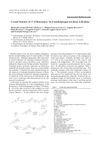 February 1999 in “Analytical Sciences”
 A new antiandrogen compound was made and its detailed three-dimensional shape was described.
 6 citations
,
April 2022 in “Advanced Pharmaceutical Bulletin”
6 citations
,
April 2022 in “Advanced Pharmaceutical Bulletin” Cefazolin-loaded nanoparticles in nanofibers can help heal wounds and support regeneration.
 1 citations
,
October 2025 in “Iranian journal of pharmaceutical research”
1 citations
,
October 2025 in “Iranian journal of pharmaceutical research” Geranyl acetate can protect skin cells from damage and inflammation caused by para-phenylenediamine.