221 citations
,
June 1992 in “Proceedings of the National Academy of Sciences” Interleukin 6 may help protect skin without causing inflammation.
 97 citations
,
March 2002 in “Molecular and cellular biology”
97 citations
,
March 2002 in “Molecular and cellular biology” Mutant CDP/Cux protein causes hair defects and reduced male fertility in mice.
48 citations
,
August 1998 in “Developmental Biology” Deleting part of a gene in mice causes wavy hair and high pup loss.
 19 citations
,
June 2008 in “Journal of Investigative Dermatology”
19 citations
,
June 2008 in “Journal of Investigative Dermatology” HPV genes in mice improve ear tissue healing by speeding up skin growth and repair.
January 2013 in “Biology of blood and marrow transplantation” Rapamycin increased survival in mice with severe chronic graft-versus-host disease by expanding regulatory T cells.
 June 2023 in “Journal of biological chemistry/The Journal of biological chemistry”
 Sdr16c5 and Sdr16c6 genes regulate a key point in lipid production that affects eye and skin gland function.
May 2018 in “The journal of immunology/The Journal of immunology” Mutations in the FOXN1 gene cause severe immune issues but don't affect hair and nails.
25 citations
,
December 2013 in “Journal of Investigative Dermatology Symposium Proceedings” A new mouse model helps understand and find treatments for alopecia areata.
 7 citations
,
October 1985 in “Genetics Research”
7 citations
,
October 1985 in “Genetics Research” Beige and leaden pigment genes act within melanocytes, affecting pigment patterns.
72 citations
,
September 1997 in “Journal of Investigative Dermatology” 6 citations
,
October 2022 in “International Journal of Molecular Sciences” Male mice with FGF5 mutations grow longer hair than females.
26 citations
,
April 1996 in “Journal of Investigative Dermatology”  12 citations
,
August 1984 in “Genetics Research”
12 citations
,
August 1984 in “Genetics Research” The N gene affects the protein makeup of mouse hair.
75 citations
,
February 2017 in “Aging” SkQ1 antioxidant improved health and lifespan in mice.
7 citations
,
March 1990 in “Pigment Cell Research” Certain chemicals cause hair graying in black mice but not yellow mice.
6 citations
,
October 1989 in “PubMed” Optimized conditions and specific treatments enhance the growth of hair cells from C3H mice.
 11 citations
,
January 2017 in “Journal of Endocrinology/Journal of endocrinology”
11 citations
,
January 2017 in “Journal of Endocrinology/Journal of endocrinology” Female mice with disrupted 5α-reductase 1 had significant metabolic issues, including stress response problems, insulin resistance, liver fat buildup, and obesity.
1 citations
,
August 2020 The Shaven mutation in mice affects hair growth and causes a greasy coat due to abnormal lipid content.
 5 citations
,
June 2017 in “in Vivo”
5 citations
,
June 2017 in “in Vivo” Vitamin C deficiency changes gene expression, affecting skin and hair health.
Introducing the OTC gene improved symptoms in mice with OTC deficiency.
 231 citations
,
July 2008 in “Nutrition reviews”
231 citations
,
July 2008 in “Nutrition reviews” Diet changes can protect against harmful environmental effects on fetal development.
4 citations
,
May 2023 in “Pigment Cell & Melanoma Research” BMI1 is essential for preventing hair greying and maintaining hair color.
July 2024 in “Journal of Investigative Dermatology” Recombinant human TSG-6 speeds up wound healing in diabetic mice.
7 citations
,
July 2001 in “Endocrinology” Vitamin D 1α-hydroxylase is crucial for bone health and vitamin D metabolism.
17 citations
,
April 2011 in “Journal of Dermatological Science” The study created a mouse model that survives longer and shows fewer symptoms of pemphigus vulgaris.
 March 2024 in “Research Square (Research Square)”
 Sex steroids affect the MafB gene differently in male and female hamsters.
53 citations
,
July 2002 in “Journal of Investigative Dermatology” The Dfl mutation in mice causes poor sebaceous gland function and complete hair loss.
June 2026 in “Journal of Investigative Dermatology” 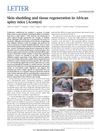 418 citations
,
September 2012 in “Nature”
418 citations
,
September 2012 in “Nature” African spiny mice can regenerate skin, hair, and cartilage, but not muscle, and their unique abilities could be useful for regenerative medicine.
The gene Endothelin 3 makes mice's fur darker by increasing pigment cells and pigment levels.