June 2026 in “Strathprints: The University of Strathclyde institutional repository (University of Strathclyde)” Topical IKKα inhibitors may help prevent CCS tumours.
 April 2026 in “Zenodo (CERN European Organization for Nuclear Research)”
 The model improves understanding of androgen interactions by focusing on signal intensity and system capacity.
 October 2024 in “Medicine”
 Cronkhite-Canada syndrome is rare, has a poor prognosis, and requires early diagnosis and ongoing treatment.
 July 2024 in “PLANT PHYSIOLOGY”
 CIPK13 and CIPK18 genes are crucial for root hair growth in plants.
 January 2025 in “International Journal of Cosmetic Science”
 Citric acid strengthens and improves damaged hair.
191 citations
,
November 2007 in “Journal of Biological Chemistry” Very-long-chain acyl-CoA synthetases and fatty acid transport proteins play key roles in fatty acid metabolism and lipid processing in different tissues.
January 1994 in “Journal of the society of cosmetic chemists” 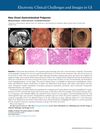 August 2013 in “Gastroenterology”
 A 60-year-old man with Cronkhite-Canada syndrome improved with treatment, but the condition has a high mortality rate and a risk of colorectal cancer.
 September 2015 in “Dermatologic Surgery”
 Computer-aided imaging system accurately measures baldness in Chinese women with hair loss.
 1 citations
,
March 2023 in “bioRxiv (Cold Spring Harbor Laboratory)”
1 citations
,
March 2023 in “bioRxiv (Cold Spring Harbor Laboratory)” NAC1 controls certain enzymes that reduce root hair growth in Arabidopsis.
5 citations
,
February 2025 in “Cell Reports” Skin acetyl-CoA synthesis is crucial for overall lipid balance.
1 citations
,
January 2022 in “Clinical Cases in Dermatology” A woman with CCCA has hair loss due to factors like straighteners and tight hairstyles, and treatments include steroids and avoiding certain hair products.
December 2019 in “The American Journal of Gastroenterology” Small bowel lesions in Cronkhite-Canada syndrome persist despite steroid treatment.
January 2026 in “Cosmetics” Cacumen Platycladi extract can safely and effectively reduce hair loss and increase hair density.
305 citations
,
March 2008 in “AJP Endocrinology and Metabolism” SSAT is a key enzyme affecting cell growth and metabolism, with potential but risky use in disease treatment.
255 citations
,
September 2016 in “Frontiers in plant science” Reactive oxygen species (ROS) help control plant growth and development.
36 citations
,
August 2022 in “Molecular Therapy — Nucleic Acids” Gene therapy shows promise for healing chronic wounds but needs more research to overcome challenges.
2 citations
,
November 2025 in “Cancer Imaging” Ultrasound-based radiomics and radiogenomics can improve ovarian cancer diagnosis and treatment, but need better standardization and AI tools.
 May 2024 in “International Journal of Nanomedicine”
 Biodegradable polymers can improve cannabinoid delivery but need more clinical trials.
June 1985 in “Journal of the American Academy of Dermatology”  1 citations
,
October 2017 in “Animal science journal”
1 citations
,
October 2017 in “Animal science journal” Cyclophosphamide effectively induces cashmere shedding in goats without affecting their overall health.
28 citations
,
June 2007 in “Journal of Cutaneous Pathology” IRS premature desquamation is not unique to CCCA and occurs in various scarring alopecias.
 13 citations
,
March 2019 in “Journal of ethnopharmacology”
13 citations
,
March 2019 in “Journal of ethnopharmacology” Cacumen Platycladi oil promotes hair growth better than minoxidil.
July 2004 in “Journal of the American Academy of Dermatology” 1 citations
,
January 1980 in “Computer Physics Communications”  June 2001 in “Journal of The American Academy of Dermatology”
 The exam tested knowledge on various skin-related topics for CME credit.
7 citations
,
March 2022 in “The FASEB journal” Adult mice with CBS deficiency show minimal health issues and normal lifespan despite high homocysteine levels.
May 2023 in “Frontiers in Pharmacology” Water extract of cacumen platycladi helps hair growth by affecting specific cell pathways.
16 citations
,
December 2006 in “Chinese Medical Journal” Early intervention and protective measures are crucial for managing CIPA due to the lack of pain and standard treatment.
Excluding alopecia and mucous membrane components from the CLASI-A score reduces its effectiveness in capturing important disease activity.