 April 2025 in “BMC Urology”
 Thorough evaluations and conservative management can lead to positive outcomes in pediatric adrenocortical carcinoma.
1 citations
,
August 2021 in “Pediatrics in review” A 10-year-old girl had genital pain from a small, red, crusty mass on her labia.
March 2016 in “Cairn.info” Unexplained infant crying might be due to hair tourniquet syndrome, which needs quick attention and checking for possible abuse.
 June 2006 in “British Journal of Dermatology”
 The document reports unique growth lines in a child after Stevens-Johnson syndrome, skin reaction from parsnips and sun in a girl, and itchy skin with xanthomas in a boy with Alagille syndrome.
3 citations
,
August 2017 in “Clinical case reports” A rare skin condition causes red and dark patches on the face and limbs.
 September 2018 in “Journal of the American Academy of Dermatology”
 Elderly patients with CCCA were all African American with low vitamin D, but no iron or zinc deficiencies, and no hormonal imbalances compared to younger patients.
June 2024 in “Indian Journal of Veterinary Medicine” The young goat had anaplasmosis and copper deficiency.
 January 2026 in “Dermatology Online Journal”
 CCCA can appear as patchy hair loss in younger men, not just the usual pattern.
12 citations
,
September 2012 in “Pediatric Dermatology” The boy's skin condition improved significantly with a specific ointment after other treatments showed only mild results.
7 citations
,
December 1971 in “Calcified Tissue Research” Hair follicles in injured skin can quickly accumulate minerals, especially calcium and phosphorus.
 6 citations
,
January 2013 in “Urology”
6 citations
,
January 2013 in “Urology” An 8-year-old boy with bed-wetting issues suffered a severe penile injury from tying a thread around his penis, requiring urgent medical treatment to avoid worse outcomes.
 22 citations
,
December 2003 in “Veterinary clinical pathology”
22 citations
,
December 2003 in “Veterinary clinical pathology” The Persian cat has a skin infection caused by a fungus, treatable with antifungal medication.
January 2026 in “JCEM Case Reports” A rare case of Cushing's syndrome and pheochromocytoma requires careful re-evaluation to avoid complications.
 17 citations
,
December 2009 in “Journal of Pediatric Orthopaedics”
17 citations
,
December 2009 in “Journal of Pediatric Orthopaedics” Two babies needed surgery to remove hair tightly wrapped around their toes to prevent serious injury.
 July 1976 in “Archives of Dermatology”
 Some people may naturally have beaded lines on their skin that are more visible with certain treatments, and hair loss similar to post-pregnancy can occur after specific diet and therapy.
 3 citations
,
April 2022 in “Cutis”
3 citations
,
April 2022 in “Cutis” CCCA is a common, scarring hair loss in Black women that needs early detection.
21 citations
,
June 1992 in “Pediatric Dermatology” Eruptive vellus hair cysts are often underreported and need histologic confirmation for accurate diagnosis.
3 citations
,
June 2021 in “Case Reports in Infectious Diseases” Fungal infections should be considered in scalp swelling to avoid misdiagnosis.
 108 citations
,
March 2011 in “Archives of Dermatology”
108 citations
,
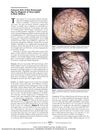
March 2011 in “Archives of Dermatology” Corkscrew hair may be a new sign for quickly diagnosing scalp fungus in black children.
January 2014 in “ACTA SCIENTIAE VETERINARIAE” The cat's skin condition was resistant to treatment and did not improve.
19 citations
,
November 1985 in “Archives of Dermatology” The newborn's skin blisters healed without scarring, leaving some light spots, and stopped forming after four months.
 August 2024 in “Journal of Small Animal Practice”
 A cat lost hair on its back a month after a road accident, despite no initial skin injuries.
6 citations
,
November 1977 in “Archives of Dermatology” A 6-year-old girl in the U.S. had a rare scalp infection caused by *Trichophyton soudanense*.
Calcium hydroxide in an ayurvedic product caused hair breakage.
1 citations
,
April 2011 in “Clinical Kidney Journal” A benign skin tumor grew quickly in a dialysis patient and was surgically removed.
22 citations
,
September 1993 in “Archives of Dermatology” The child has a scaly rash and fever, but tests show no infection.
13 citations
,
January 2012 in “Dermatology” Eruptive vellus hair cysts are rare, benign skin lesions that are hard to treat.
82 citations
,
November 1985 in “Archives of Dermatology” The newborn's skin condition improved over time, leaving only lighter skin patches.
48 citations
,
November 2022 in “Journal of Cosmetic Dermatology” Skin rashes can help diagnose COVID-19 early.

A 12-year-old girl was misdiagnosed with alopecia areata but actually had a nevus sebaceus with a genetic mutation.