31 citations
,
February 1972 in “Experientia” The diphosphonate was the most effective at preventing calcification in rats.
September 2023 in “Journal of the American Academy of Dermatology” CTP-543 is generally safe for treating alopecia areata.
 June 2024 in “Indian Dermatology Online Journal”
 Topical tofacitinib is effective and safe for treating alopecia areata.
15 citations
,
December 2019 in “European Journal of Dermatology” Low-dose tofacitinib is effective and cheaper for severe alopecia areata.
 5 citations
,
January 2021 in “Inflammatory Bowel Diseases”
5 citations
,
January 2021 in “Inflammatory Bowel Diseases” Tofacitinib improved ulcerative colitis, skin ulcers, and hair loss in a patient who didn't respond well to other treatments.
 July 2003 in “Journal of Cutaneous Medicine and Surgery”
 Some medications can improve skin conditions, while lifestyle factors like smoking and drinking may worsen them; treatments like monoclonal antibodies and imiquimod cream show promise for certain skin diseases.
 November 2025 in “SKIN The Journal of Cutaneous Medicine”
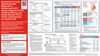
 Baricitinib significantly regrows hair in teens with severe alopecia areata.
11 citations
,
July 1993 in “The journal of investigative dermatology/Journal of investigative dermatology”  11 citations
,
January 2018 in “Acta dermato-venereologica”
11 citations
,
January 2018 in “Acta dermato-venereologica” Tofacitinib works better and is more tolerable for severe alopecia than conventional treatments and DPCP immunotherapy.
September 2023 in “Minia Journal of Medical Research” Intralesional vitamin D3 is a safe, effective treatment for patchy alopecia areata.
January 2023 in “Cutaneous and Ocular Toxicology” 15 citations
,
January 2015 in “Dermatitis” Topical immunotherapy is the best treatment for severe alopecia areata.
July 2024 in “Journal of Investigative Dermatology”  53 citations
,
October 2012 in “The FASEB Journal”
53 citations
,
October 2012 in “The FASEB Journal” Bimatoprost, a glaucoma medication, may also help treat hair loss.
 12 citations
,
August 2020 in “JEADV. Journal of the European Academy of Dermatology and Venereology/Journal of the European Academy of Dermatology and Venereology”
12 citations
,
August 2020 in “JEADV. Journal of the European Academy of Dermatology and Venereology/Journal of the European Academy of Dermatology and Venereology” Azathioprine is the most continued treatment for chronic alopecia areata over a year, often with added low-dose prednisolone.
Infliximab was effective in treating a scalp condition that did not respond to other treatments.
 October 2022 in “Portuguese journal of dermatology and venereology”
 The best concentration of triamcinolone acetonide for treating alopecia areata is still unclear.
 1 citations
,
May 2023 in “Prospects in Pharmaceutical Sciences”
1 citations
,
May 2023 in “Prospects in Pharmaceutical Sciences” New cytokine-targeted therapies show promise for treating alopecia areata.
1 citations
,
November 2025 in “Journal of Dermatological Treatment” Baricitinib is effective and safe for treating severe alopecia areata.
 March 2005 in “Journal of The American Academy of Dermatology”
 Diphencyprone treatment protocols could be simplified as no harm occurred despite not fully following them.
 4 citations
,
August 2013 in “Case reports in dermatology”
4 citations
,
August 2013 in “Case reports in dermatology” A patient with total hair loss developed vitiligo after using a treatment called DCP.
Tretinoin is used topically to treat acne, skin aging, and various skin conditions.
August 2025 in “International Journal of Scientific Research” PRP is a promising alternative for alopecia areata due to its safety and patient satisfaction.
December 2024 in “Journal of the European Academy of Dermatology and Venereology” Bimatoprost shows promise for treating vitiligo, especially when combined with other therapies.
January 2009 in “Epsilon: Revista de la Sociedad Andaluza de Educación Matemática "Thales"” A CCS patient with severe complications was successfully treated using combined therapies.
 January 2024 in “Brazilian Journal of Hair Health”
 Combining low-level laser therapy with topical corticosteroids effectively improved Lichen Planopilaris symptoms.
13 citations
,
January 2010 in “Immunopharmacology and immunotoxicology” Diphencyprone increases Bcl-2 protein in patients with hair regrowth from alopecia areata.
9 citations
,
April 2020 in “Journal of Cosmetic Dermatology” Immune checkpoint inhibitors can cause scalp inflammation and hair follicle issues.
July 2021 in “The Egyptian Journal of Hospital Medicine” Intralesional Triamcinolone acetonide injections are safe and effective for treating alopecia areata.
31 citations
,
February 1982 in “Archives of dermatology” Etretinate was effective for certain skin conditions, but caused side effects like chapped lips, dry mucous membranes, and hair loss.