40 citations
,
August 2005 in “JEADV. Journal of the European Academy of Dermatology and Venereology/Journal of the European Academy of Dermatology and Venereology” Acitretin moderately improved skin and eye issues but not hair loss or light sensitivity in a 3-year-old with IFAP syndrome.
1 citations
,
November 2005 in “PubMed” Itraconazole effectively treats scalp fungus, with continuous use more effective than pulse therapy.
February 2026 in “Clinical and Experimental Dermatology” Bicalutamide improved hair growth more than spironolactone in women with hair loss.
3 citations
,
January 2021 in “Therapeutic advances in infectious disease” A 9-year-old girl with a healthy immune system was successfully treated for a severe fungal scalp infection caused by Microsporum audouinii.
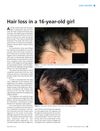 November 2014 in “Prescriber”
 The 16-year-old girl with hair loss was successfully treated for alopecia areata, leading to significant hair regrowth.
 1 citations
,
May 2024 in “Cureus”
1 citations
,
May 2024 in “Cureus” Combining oral isotretinoin and rifampicin effectively treats folliculitis decalvans.
November 2025 in “Acta Dermato Venereologica” Effective immunomodulatory treatments and a personalized approach are crucial for managing severe folliculitis decalvans.
 5 citations
,
January 2022 in “Drug Delivery”
5 citations
,
January 2022 in “Drug Delivery” Bimatoprost cream can help regrow hair in baldness.
 17 citations
,
December 2013 in “Journal of Investigative Dermatology Symposium Proceedings”
17 citations
,
December 2013 in “Journal of Investigative Dermatology Symposium Proceedings” Bimatoprost is safe and effective for treating eyelash loss caused by chemotherapy.
 11 citations
,
October 2018 in “Pediatric dermatology”
11 citations
,
October 2018 in “Pediatric dermatology” Leflunomide and anthralin may effectively treat severe alopecia areata.
 23 citations
,
April 2010 in “Clinical, cosmetic and investigational dermatology”
23 citations
,
April 2010 in “Clinical, cosmetic and investigational dermatology” Bimatoprost ophthalmic solution 0.03% safely and effectively increases eyelash growth when applied to the upper eyelid.
69 citations
,
April 2010 in “Clinical ophthalmology” Bimatoprost is effective for growing longer, thicker, and darker eyelashes.
13 citations
,
March 2008 in “Journal of the European Academy of Dermatology and Venereology” Triamcinolone acetonide therapy for hair loss may cause a skin condition called linear lichen planus.
June 2026 in “JEADV Clinical Practice” Cemiplimab can cause alopecia areata, but it can be treated successfully.
21 citations
,
March 2003 in “Acta Dermato Venereologica” Tacalcitol ointment effectively improves bilateral nevus comedonicus.
 November 2023 in “Clinical, Cosmetic and Investigational Dermatology”
 A man's rash caused by Finasteride improved after stopping the drug and starting new treatments.
2 citations
,
May 2018 in “Dermatologic Surgery” January 2014 in “European Journal of Dermatology” A method was found to visualize hair regrowth and avoid unnecessary side effects from treatments.
 August 2022 in “Case reports”
 Isotretinoin effectively treated a rare scalp condition, but careful drug monitoring and a dairy-free diet were important.
 8 citations
,
January 2018 in “Journal of the American Academy of Dermatology”
8 citations
,
January 2018 in “Journal of the American Academy of Dermatology” Diphenylcyclopropenone treatment helps prevent hair loss relapse in alopecia areata patients.
 May 2026 in “Frontiers in Immunology”
 Bimekizumab effectively treats scalp cellulitis and improves quality of life.
January 2023 in “International Journal of Pharmacy and Pharmaceutical Science” Proper guidelines are needed to prevent harmful steroid use in skin treatments.
CG2001 is safe and well-tolerated for treating hair loss in men.
 August 2001 in “Journal of Cutaneous Medicine and Surgery”
 Prednisone has risks for lupus patients, isotretinoin is safe for mental health, transplant patients risk skin cancer, and various treatments are effective for specific skin conditions.
 March 2016 in “Journal of evolution of medical and dental sciences”
 Combining OMP with cyclosporine can effectively treat severe alopecia areata in children.
 16 citations
,
March 2016 in “Clinical ophthalmology”
16 citations
,
March 2016 in “Clinical ophthalmology” Bimatoprost is safe and improves eyelash growth in healthy kids but not in those with eyelash loss from chemotherapy or alopecia.
 9 citations
,
April 2016 in “Australasian journal of dermatology”
9 citations
,
April 2016 in “Australasian journal of dermatology” Combining imiquimod with diphenylcyclopropenone may improve treatment outcomes for alopecia areata patients who don't respond to diphenylcyclopropenone alone.
July 2026 in “Journal of Investigative Dermatology”  38 citations
,
July 2010 in “Clinical, cosmetic and investigational dermatology”
38 citations
,
July 2010 in “Clinical, cosmetic and investigational dermatology” To treat tinea capitis in children, oral antifungal medication is necessary, with newer drugs offering shorter treatment times than the traditional griseofulvin.
132 citations
,
November 1998 in “Journal of the American Academy of Dermatology” Topical sensitizers have mixed success in treating alopecia areata.