29 citations
,
January 2003 in “KARGER eBooks” HVDRR is caused by VDR gene mutations, leading to vitamin D resistance, treatable with high calcium doses, but alopecia remains permanent.
18 citations
,
November 2009 in “Calcified tissue international” A genetic mutation caused severe rickets and alopecia in an Indian patient, but high-dose calcium and phosphate treatment improved their condition.
13 citations
,
December 2016 in “Egyptian Journal of Basic and Applied Sciences” Alopecia areata patients have lower vitamin D levels than healthy individuals.
11 citations
,
January 2018 in “DOAJ (DOAJ: Directory of Open Access Journals)” A 4-year-old boy with a rare type of rickets and hair loss improved in bone health but not hair growth after vitamin D and calcium treatment.
5 citations
,
July 2017 in “International journal of endocrinology and metabolism/International journal of endocrinology and metabolism.” Two siblings with a genetic mutation had a form of rickets that doesn't respond to vitamin D.
 1 citations
,
January 2016 in “Journal of Nepal Paediatric Society”
1 citations
,
January 2016 in “Journal of Nepal Paediatric Society” A child with rickets and hair loss might have a rare type of rickets that doesn't improve much with usual vitamin D and calcium treatment.
1 citations
,
March 2015 in “PubMed” Vitamin D helps treat psoriasis by promoting skin cell differentiation and reducing growth.
 August 2024 in “Receptors”
 Vitamin D receptor is crucial for skin wound healing.
July 2023 in “Media Dermato Venereologica Indonesiana” Vitamin D supplements should be used cautiously in sarcoidosis patients, with regular monitoring to avoid high calcium levels.
 1308 citations
,
March 1998 in “Journal of bone and mineral research”
1308 citations
,
March 1998 in “Journal of bone and mineral research” The vitamin D receptor is crucial for bone health and affects various body systems, with mutations potentially leading to disease.
 510 citations
,
August 2006 in “Endocrinology”
510 citations
,
August 2006 in “Endocrinology” The vitamin D receptor is involved in multiple body functions beyond calcium regulation, including immune response and rapid reactions not related to gene activity.
110 citations
,
November 1984 in “The American Journal of Medicine” A genetic defect in vitamin D receptors causes severe rickets and hair loss in children, but some heal as they age.
47 citations
,
September 2002 in “Journal of Bone and Mineral Research” A mutation in the vitamin D receptor causes severe resistance to vitamin D, affecting bone health but not hair growth.
20 citations
,
November 2008 Vitamin D is important for regulating calcium, phosphate, and hair health.
 1 citations
,
January 2023 in “Revista Da Associacao Medica Brasileira”
1 citations
,
January 2023 in “Revista Da Associacao Medica Brasileira” People with seborrheic dermatitis often have lower vitamin D levels.
 1 citations
,
January 2016 in “Dermatology Review”
1 citations
,
January 2016 in “Dermatology Review” Vitamin D might help treat alopecia areata.
July 2025 in “SVU-International Journal of Medical Sciences” Children with Vitamin D-dependent rickets type II may have severe dental issues that need a team of specialists for proper care.
 January 2024 in “Clinical, cosmetic and investigational dermatology”
 A child with a rare vitamin D-resistant condition improved with treatment.
November 2023 in “Biomolecules” The research showed that Vitamin D and its receptor are important for healthy bones and normal hair and skin in rats.
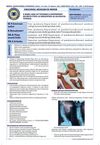 January 2023 in “PARIPEX INDIAN JOURNAL OF RESEARCH”
 Vitamin D Dependent Rickets Type-2A can cause complete hair loss and bone growth issues in infants.
October 2014 in “Archives of Disease in Childhood” Growth hormone therapy can improve symptoms and growth in children with Vitamin-D Dependent Rickets Type-2.
The vitamin D receptor has many roles in the body beyond managing calcium, affecting the immune system, hair growth, muscles, fat, bone marrow, and cancer cells.
September 2005 in “CRC Press eBooks” Vitamin D is important for skin cell growth and health, and its active form and receptor play key roles in skin and hair processes.
 7 citations
,
June 2016 in “Bone Research”
7 citations
,
June 2016 in “Bone Research” A Chinese family had a child with a specific gene mutation causing vitamin D-resistant rickets, but the child improved with calcium and low-dose calcitriol.
 277 citations
,
July 2002 in “Molecular Endocrinology”
277 citations
,
July 2002 in “Molecular Endocrinology” Removing part of the vitamin D receptor stops vitamin D from working properly.
15 citations
,
March 2000 in “The journal of investigative dermatology/Journal of investigative dermatology” As skin cells mature, vitamin D receptor levels decrease while retinoid X receptor α levels increase.
100 citations
,
October 1986 in “Clinical Endocrinology” Alopecia indicates more severe resistance to 1,25-dihydroxyvitamin D.
10 citations
,
January 2014 in “Journal of Pediatric Endocrinology and Metabolism” Three new gene mutations cause rickets and hair loss, treatable with high calcium and calcidol, but hair regrowth is rare.
8 citations
,
March 2011 in “Endocrine” A new gene mutation causes vitamin D-resistant rickets and hair loss in two siblings.
 January 2023 in “International Journal of Contemporary Pediatrics”
 A rare genetic disease causes rickets and often hair loss in young children, which can improve with specific treatments.