 November 2023 in “International surgery journal”
 A man's neck lump was a trichilemmal cyst, not cancer, and should be fully removed due to rare risk of becoming malignant.
 September 2016 in “JAMA Dermatology”
 Melanoma patients can learn to check their skin, early balding in men may indicate similar risks as PCOS in women, certain criteria can help predict skin cancer behavior, small skin cancer may not need extra therapy after surgery, and sterile gloves don't reduce infection in minor surgeries.
 72 citations
,
October 1998 in “Baillière's clinical endocrinology and metabolism”
72 citations
,
October 1998 in “Baillière's clinical endocrinology and metabolism” Long-term testosterone therapy can cause hormone suppression, affect prostate and heart health, and alter physical characteristics, but does not increase prostate cancer risk and needs more research for full risk assessment.
23 citations
,
January 2025 in “Annals of Dermatology” Air pollution harms skin health, causing aging, inflammation, and cancer risk.
 17 citations
,
June 2018 in “Sexual Medicine Reviews”
17 citations
,
June 2018 in “Sexual Medicine Reviews” The document concludes that non-operative treatment for gender dysphoria is safe and effective, and hormone therapy does not increase cancer risk.
 11 citations
,
January 2016 in “Journal of clinical & experimental dermatology research”
11 citations
,
January 2016 in “Journal of clinical & experimental dermatology research” Substance abuse can cause various skin problems, including marks from injections, sores, premature aging, and increased cancer risk.
 1 citations
,
January 2023 in “Research Square (Research Square)”
1 citations
,
January 2023 in “Research Square (Research Square)” A woman's vitiligo improved with tofacitinib treatment, and her skin color remained even after stopping the medication, but there are concerns about cancer risk.
 1 citations
,
July 2011 in “Climacteric”
1 citations
,
July 2011 in “Climacteric” Long-term estrogen therapy in postmenopausal women can improve certain health markers, hair loss is common regardless of hormone use, stopping estrogen doesn't increase breast cancer risk, smoking does, and a balanced BMI is linked to lower mortality.
 November 2024 in “Journal of Family Medicine and Primary Care”
 5 alpha reductase inhibitors can cause sexual, cognitive, and muscle side effects, and may slightly increase aggressive cancer risk.
May 2022 in “Zenodo (CERN European Organization for Nuclear Research)” Pumpkin seed oil may improve heart, skin, hair, bones, mood, and reduce inflammation and cancer risk.
 November 2020 in “Elsevier eBooks”
 Antiandrogens and androgen inhibitors like spironolactone, finasteride, and dutasteride can treat hair loss and skin conditions, but they have risks and side effects, including potential harm to pregnant women and risks of cancer and heart issues. Herbal remedies also have antiandrogenic effects but lack safety validation.
 April 2016 in “Journal of The American Academy of Dermatology”
 Certain skin diseases are linked to Agent Orange and similar chemicals; veterans should be screened and informed about uncertain risks, and current data doesn't link spironolactone with breast cancer.
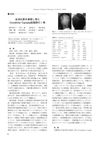 January 2014 in “Progress of Digestive Endoscopy”
 Prednisolone improved symptoms in a woman with Cronkhite-Canada syndrome, but regular screenings are needed due to cancer risk.
 May 2013 in “Springer eBooks”
 Skin problems in the elderly are unique and may indicate other diseases, involving changes in skin, hair, nails, and increased cancer risk.
 September 1998 in “Journal of The European Academy of Dermatology and Venereology”
 Older people often have untreated genital skin diseases due to embarrassment and lack of medical attention, which can lead to discomfort and even cancer risk.
 165 citations
,
June 2007 in “European Journal of Cell Biology”
165 citations
,
June 2007 in “European Journal of Cell Biology” Hair follicle stem cells are key for hair and skin regeneration, can be reprogrammed, and have potential therapeutic uses, but also carry a risk of cancer.
 155 citations
,
June 2009 in “International Journal of Dermatology”
155 citations
,
June 2009 in “International Journal of Dermatology” Lichen planus is a skin condition that can resolve on its own, is linked to hepatitis C, and increases the risk of skin cancer.
25 citations
,
March 2018 in “Journal of oncology practice” Scalp cooling is an effective and safe way to prevent hair loss from chemotherapy, with manageable side effects and low risk of scalp cancer.
 5 citations
,
July 2022 in “Orphanet journal of rare diseases”
5 citations
,
July 2022 in “Orphanet journal of rare diseases” RSPO1 mutations in certain patients lead to skin cells that don't develop properly and are more likely to become invasive, increasing the risk of skin cancer.
 2 citations
,
April 2021 in “Canadian Journal of Urology”
2 citations
,
April 2021 in “Canadian Journal of Urology” Five-alpha reductase inhibitors, like finasteride and dutasteride, can treat enlarged prostates, improve urination, reduce need for prostate surgery, and lower the risk of prostate cancer, but may increase the risk of higher grade prostate cancer. They can also treat male pattern baldness.
April 2020 in “The journal of investigative dermatology/Journal of investigative dermatology” Certain surgical methods are better than routine incision for hidradenitis suppurativa, topical clindamycin and acitretin are effective treatments, men with HS have a risk of skin cancer, HS patients are more likely to die from heart problems, and specific genetic markers are linked to treatment response.
 August 2013 in “Gastroenterology”
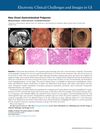
 A 60-year-old man with Cronkhite-Canada syndrome improved with treatment, but the condition has a high mortality rate and a risk of colorectal cancer.
 5 citations
,
December 2021 in “Physiological Research”
5 citations
,
December 2021 in “Physiological Research” Men, particularly those with hair loss, are more likely to get the virus, and those with prostate cancer may have milder symptoms. Testosterone's role in the disease is unclear, and the virus doesn't seem to harm male fertility. Women with PCOS might be at higher risk. More research is needed.
The CDC reports 23 measles cases in unvaccinated US kids, new treatments for eosinophilic esophagitis and osteopenia are approved, poor sleep may cause migraines, atopic dermatitis could lead to asthma, migraines might increase Crohn's disease risk, cancer may raise heart disease risk, gout is linked to prostate issues, Cabo Verde is malaria-free, social factors and vitamin D affect dementia risk, smoking increases hair loss risk, certain drugs might lower thyroid disease risk in arthritis, noma is a neglected disease, and meal timing could impact heart health.
 March 2021 in “Clin-Alert”
 The FDA warned about safety issues with remdesivir and tofacitinib, finasteride is linked to suicidality, potent topical corticosteroids increase osteoporosis risk, henna can cause hemolysis in G6PD deficiency, chemotherapeutic agents can cause adverse reactions, drug interactions are common in cancer patients, ketamine can reduce at-risk drinking, high dose of anticholinergics increases dementia risk in Parkinson's patients, and prenatal exposure to second-generation antipsychotics increases pregnancy complications.
 July 2014 in “Plastic and Reconstructive Surgery”
 The document concludes that rib-sparing techniques in breast reconstruction have limited benefits, sentinel lymph node biopsy is needed for desmoplastic melanoma, certain hair preservation methods improve graft survival, partial turbinectomy effectively reduces nasal obstruction, nipple shields with irrigation may reduce capsular contracture, and thicker malignant melanomas have a higher risk of non-skin cancers.
 July 2014 in “Plastic and Reconstructive Surgery”
 The document concludes that rib-sparing techniques in breast reconstruction have limited benefits, sentinel lymph node biopsy is needed for desmoplastic melanoma, certain hair preservation methods improve graft survival, partial turbinectomy effectively reduces nasal obstruction, nipple shields with irrigation may reduce capsular contracture, and thicker malignant melanomas have a higher risk of non-skin cancers.
 5 citations
,
January 2022 in “Asian Pacific Journal of Cancer Prevention”
5 citations
,
January 2022 in “Asian Pacific Journal of Cancer Prevention” Certain VDR gene changes can affect melanoma risk.
April 2007 in “Oncology Times” Chemoprevention is rarely used due to concerns about risks, side effects, and lack of clear guidelines.
1 citations
,
January 2018 in “Advances in cancer prevention” Preventing cancer involves lifestyle changes, vaccinations, early screening, and understanding cancer's molecular basis.