June 2020 in “Zenodo (CERN European Organization for Nuclear Research)” Children with frequent severe infections and low antibodies should be checked for immune deficiencies.
 1 citations
,
July 2014 in “Our Dermatology Online”
1 citations
,
July 2014 in “Our Dermatology Online” The patient with both scarring and non-scarring hair loss showed complex immune reactions and improved with steroid treatment.
71 citations
,
February 1992 in “Journal of Cutaneous Pathology” Antibodies help identify glycoproteins in normal skin and tumor cells.
5 citations
,
February 2013 in “PubMed” An 11-year-old girl's hair loss was caused by a Cladosporium fungal infection, which was cured with itraconazole treatment.
November 2024 in “Rheumatology Advances in Practice” Visceral leishmaniasis can mimic rheumatoid arthritis symptoms, especially in immunocompromised patients.
54 citations
,
August 1981 in “British Journal of Dermatology” Alopecia areata is linked to reduced T cell function and auto-immunity.
72 citations
,
September 1997 in “Journal of Investigative Dermatology”  1 citations
,
July 2012 in “Nasza Dermatologia Online”
1 citations
,
July 2012 in “Nasza Dermatologia Online” CCCA may be caused by both hair traction and an immune response.
 6 citations
,
November 2018 in “Antimicrobial agents and chemotherapy (Print)”
6 citations
,
November 2018 in “Antimicrobial agents and chemotherapy (Print)” Fluconazole can cause hair loss, but the exact cause is unknown.
 April 2026 in “Ankara Üniversitesi Veteriner Fakültesi Dergisi”
 Mueller-Hinton Agar is better for testing antifungal susceptibility in Microsporum canis and Nannizzia gypsea.
 7 citations
,
July 2019 in “The Journal of Dermatology”
7 citations
,
July 2019 in “The Journal of Dermatology” Terbinafine effectively treated kerion celsi despite disrupted immune responses.
3 citations
,
January 2021 in “Therapeutic advances in infectious disease” A 9-year-old girl with a healthy immune system was successfully treated for a severe fungal scalp infection caused by Microsporum audouinii.
25 citations
,
June 1998 in “Journal of Investigative Dermatology” Murine cytomegalovirus does not cause alopecia areata in these mice.

Certain antiparasitics and antidepressants show promise for treating cryptococcosis, especially when combined with fluconazole.
October 2025 in “Modern pediatrics Ukraine” Early diagnosis of celiac disease in children is crucial for effective treatment.
 42 citations
,
September 2018 in “Journal of Fungi”
42 citations
,
September 2018 in “Journal of Fungi” Terbinafine and itraconazole are more effective against Microsporum canis than fluconazole and griseofulvin.
 24 citations
,
January 2012 in “Indian Journal of Dermatology, Venereology and Leprology”
24 citations
,
January 2012 in “Indian Journal of Dermatology, Venereology and Leprology” Diffuse alopecia areata involves more inflammation and higher allergy-related antibodies than patchy types.
9 citations
,
January 2013 in “Indian journal of dermatology, venereology, and leprology” Infliximab may cause hair loss in Crohn's disease patients.
 39 citations
,
June 1982 in “The BMJ”
39 citations
,
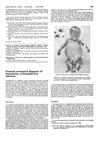
June 1982 in “The BMJ” Blood tests confirmed a baby in the womb had a CMV infection.
 2 citations
,
March 2023 in “3C Empresa Investigación y pensamiento crítico”
2 citations
,
March 2023 in “3C Empresa Investigación y pensamiento crítico” Alopecia areata patients have higher IFN-γ and low vitamin D3 levels.
20 citations
,
February 1968 in “Journal of Histochemistry & Cytochemistry” A new test more accurately detects citrulline in hair follicles and pilomatrixomas.
 March 2024 in “Skin research and technology”
 High CRP levels could indicate vitamin D deficiency in people with alopecia areata.
 2 citations
,
September 2021 in “International Journal of STD & AIDS”
2 citations
,
September 2021 in “International Journal of STD & AIDS” People living with HIV in Turkey often have skin conditions, which are more common in advanced HIV stages and may help in diagnosing the infection.
 June 2021 in “Working paper of public health”
 Six months after COVID-19, most patients still had autoantibodies.
Antifungal treatment reduced asthma exacerbations and corticosteroid use but its overall benefit is unclear.
2 citations
,
April 2022 in “Medicine” A Chinese boy's scalp infection from a guinea pig was cured with medication.
 April 2024 in “Bioscience trends”
 Higher levels of certain DNAs in blood may indicate hair follicle damage in alopecia areata patients.
January 2008 in “Bradford Scholars (University of Bradford)” Alopecia areata may be caused by antibodies targeting specific hair follicle proteins, hindering hair growth.
 10 citations
,
September 2014 in “European Journal of Dermatology”
10 citations
,
September 2014 in “European Journal of Dermatology” A woman's hair loss worsened after starting hepatitis C treatment due to immune changes in her hair follicles.
3 citations
,
October 2022 in “Journal of Cosmetic Dermatology” CAR is a useful marker for assessing alopecia areata severity.