Donor lymphocyte infusions effectively treated leukemia relapse but caused vitiligo and alopecia areata.
1 citations
,
April 2022 in “Clinical Cosmetic and Investigational Dermatology” Topical treatment improved rare scalp lichen amyloidosis.
 March 2024 in “Indian Journal of Dermatology/Indian journal of dermatology”
 Using animal names for skin conditions helps with learning and memory.
 36 citations
,
January 2006 in “Veterinary Dermatology”
36 citations
,
January 2006 in “Veterinary Dermatology” Cyclosporin effectively and safely treated skin diseases in three pets with no side effects.
July 2023 in “Indian Journal of Sexually Transmitted Diseases and AIDS” "Moth-eaten alopecia" can be a sign of secondary syphilis, treatable with penicillin.
March 1998 in “JEADV. Journal of the European Academy of Dermatology and Venereology/Journal of the European Academy of Dermatology and Venereology” Removing a tumor may resolve associated skin and hair symptoms.
 33 citations
,
April 2017 in “American journal of clinical dermatology”
33 citations
,
April 2017 in “American journal of clinical dermatology” Early treatment of superficial fungal infections in immunocompromised patients is crucial.
1 citations
,
June 2025 in “Journal of Veterinary Internal Medicine” The donkey had a severe disease affecting multiple organs and was euthanized.
 2 citations
,
December 2019 in “Leprosy Review”
2 citations
,
December 2019 in “Leprosy Review” A woman's hair loss and skin discoloration were found to be caused by a rare case of leprosy on the scalp, not alopecia-vitiligo overlap.
1 citations
,
April 2025 in “Journal of Feline Medicine and Surgery” Early diagnosis and treatment by vets are crucial for managing rare but severe feline skin disorders.
 October 2021 in “Journal of Investigative Dermatology”
 The COVID-19 pandemic has led to more severe cases of Leprosy due to delayed medical care.
 1 citations
,
May 2018 in “jurnal veteriner”
1 citations
,
May 2018 in “jurnal veteriner” Scraping is the best method to diagnose demodicosis in dogs.
 April 2008 in “Companion Animal”
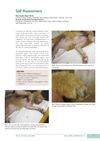
 The cat's skin condition was linked to cancer and did not improve with treatment, leading to a poor outcome.
January 2014 in “Redalyc (Universidad Autónoma del Estado de México)” A Persian cat had a rare skin condition that didn't improve with treatment.
October 2010 in “EUR Research Repository (Erasmus University Rotterdam)” A fungal skin infection was successfully treated with medication and compression therapy.
 May 2019 in “Small Animal Dermatology”
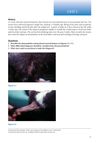
 The cat had a rare condition linked to cancer, leading to its euthanasia.
20 citations
,
October 2005 in “Archives of Dermatological Research” 
Pediatric lichen is rare and diverse, and dermoscopy helps improve diagnosis and management in children.
 July 2016 in “American Journal of Dermatopathology”
 The meeting showcased rare skin disease cases, highlighting the need for accurate diagnosis and treatment.
 February 2009 in “Journal of The American Academy of Dermatology”
 Pulsed dye laser treatment was effective for a skin condition resistant to other treatments.
 9 citations
,
December 2018 in “JAAD case reports”
9 citations
,
December 2018 in “JAAD case reports” Lipedematous alopecia involves a thickened scalp and hair loss, with limited effective treatments available.
 September 2024 in “Journal of Parasite Science”
 Dermatophytosis in cats was most common in young, male Persian cats, with symptoms like hair loss and crusts.

The document concludes that non-endocrine alopecia in pets varies in treatment effectiveness and often has a poor prognosis, especially in cats.
 January 2011 in “Elsevier eBooks”
 Alopecia in animals can be hereditary, congenital, or acquired, with treatments and outcomes varying widely.
57 citations
,
August 2002 in “American Journal Of Pathology” Cathepsin L deficiency causes hair and skin issues in mice.
7 citations
,
May 2008 in “Journal of Veterinary Internal Medicine” A cat had a rare severe reaction to fenbendazole, but recovered with treatment.
 10 citations
,
July 2014 in “Veterinary dermatology”
10 citations
,
July 2014 in “Veterinary dermatology” Deslorelin may help intact male dogs regrow hair from alopecia X, with a 75% success rate and no side effects.
April 2026 in “Research Square” 4 citations
,
October 2001 in “Mycoses” A young cat had a rare fungal infection caused by Microsporum gypseum.