April 2023 in “Media Dermato Venereologica Indonesiana” COVID-19 reinfection may trigger alopecia areata.
 7 citations
,
January 2015 in “Current problems in dermatology”
7 citations
,
January 2015 in “Current problems in dermatology” Hair loss can be caused by stress, infections, drugs, and various diseases, with treatment depending on accurate diagnosis.
 1 citations
,
July 2018 in “Elsevier eBooks”
1 citations
,
July 2018 in “Elsevier eBooks” Alopecia Areata is an autoimmune hair loss condition, with various treatments showing mixed effectiveness and no guaranteed cure.
June 2025 in “British Journal of Dermatology” A rare dual diagnosis of alopecia areata and lichen planopilaris requires thorough evaluation for effective treatment.
2 citations
,
January 2022 in “Journal of Veterinary and Animal Sciences” Trichophyton and Microsporum fungi are the main causes of skin infections in dogs in Thrissur, Kerala.
8 citations
,
January 2002 in “Piel” Postmenopausal women may experience frontal hairline and eyebrow loss due to cicatricial fibrosis.
 April 2023 in “World Journal Of Advanced Research and Reviews”
 Cosmetic products or emotional factors might contribute to Frontal Fibrosing Alopecia, and trichoscopy is useful for diagnosis.
2 citations
,
November 1999 in “Journal of Cutaneous Medicine and Surgery” January 2003 in “Journal of Practical Aesthetic and Plastic Surgery” Both steroid treatments effectively regrow hair in severe alopecia areata.
 64 citations
,
November 2008 in “Journal of The American Academy of Dermatology”
64 citations
,
November 2008 in “Journal of The American Academy of Dermatology” A new type of rapid hair loss called ADTA usually gets better on its own within 6 months.
 November 2021 in “PARIPEX INDIAN JOURNAL OF RESEARCH”
 Trigona honey effectively treats dermatitis in dogs.
 November 2022 in “JAAD case reports”
 A man with skin and hair symptoms improved partially with specific treatment.
May 2022 in “Journal of Cutaneous Immunology and Allergy” Asymptomatic cats can spread scalp infections to humans.
 7 citations
,
December 2016 in “British Journal of Dermatology”
7 citations
,
December 2016 in “British Journal of Dermatology” The report suggests that hair loss in Cronkhite-Canada syndrome may be caused by alopecia areata incognita, as shown by a patient's improvement with treatment.
 July 2015 in “Journal of the Dermatology Nurses’ Association”
 A 66-year-old woman experienced hair loss due to Frontal Fibrosing Alopecia, a condition with no consistently effective treatment, but it usually stabilizes over time. More research is needed for better understanding and treatment options.
286 citations
,
August 2007 in “Journal of Clinical Investigation” Alopecia areata is an autoimmune disease where T cells attack hair follicles.
July 2019 in “Indian dermatology online journal” Alopecia areata can show unusual red-dotted vessels and dithranol treatment may mask typical patterns.
 33 citations
,
August 2013 in “British Journal of Dermatology”
33 citations
,
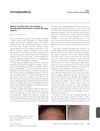
August 2013 in “British Journal of Dermatology” Lack of small, fine hair on the front hairline is a key sign of frontal fibrosing alopecia.
December 2023 in “JEADV Clinical Practice” Brownish halos around axillary hair can help diagnose frontal fibrosing alopecia.
 1 citations
,
June 2023 in “Genes”
1 citations
,
June 2023 in “Genes” Hair loss from Alopecia Areata is caused by both genes and environment, with several treatments available but challenges in cost and relapse remain.
71 citations
,
January 1998 in “Pathobiology” The document concludes that certain rats and mice are useful for studying hair loss in humans and testing treatments.
 27 citations
,
January 2015 in “Current problems in dermatology”
27 citations
,
January 2015 in “Current problems in dermatology” The document concludes that primary scarring alopecias cause permanent hair loss, have unpredictable outcomes, and lack definitive treatments, requiring personalized care.
2 citations
,
October 2014 in “Orbit” Lacrimal gland inflammation and alopecia areata can happen together due to autoimmune issues.
 August 2018 in “Journal of the American Academy of Dermatology”
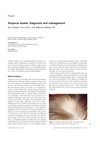
 Reflectance confocal microscopy helped diagnose and manage a woman's hair loss without needing a biopsy.
 48 citations
,
May 1999 in “International Journal of Dermatology”
48 citations
,
May 1999 in “International Journal of Dermatology” Alopecia areata is an unpredictable autoimmune hair loss condition, treated based on severity, with half of patients regrowing hair within a year without treatment.
 26 citations
,
August 2016 in “Actas Dermo-Sifiliográficas”
26 citations
,
August 2016 in “Actas Dermo-Sifiliográficas” Frontal Fibrosing Alopecia in men is often missed and can come with symptoms like facial bumps and hair loss on eyebrows and limbs.
 10 citations
,
August 2011 in “Clinics”
10 citations
,
August 2011 in “Clinics” The author clarified that Alopecia Areata Incognita (AAI) and diffuse Alopecia Areata (AA) are different conditions and the case discussed was actually AA, not AAI.
January 2014 in “ACTA SCIENTIAE VETERINARIAE” The cat's skin condition was resistant to treatment and did not improve.
 January 2023 in “Journal of Cutaneous Pathology”
 The study found certain scalp biopsy features can help tell apart alopecia areata from pattern hair loss even when typical immune cells are not seen.
10 citations
,
May 2020 in “Dermatologic therapy” Tildrakizumab significantly improved recalcitrant lichen planopilaris and frontal fibrosing alopecia.