 31 citations
,
April 2010 in “British journal of dermatology/British journal of dermatology, Supplement”
31 citations
,
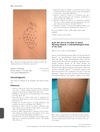
April 2010 in “British journal of dermatology/British journal of dermatology, Supplement” Frontal fibrosing alopecia can cause sudden hair loss on limbs, similar to scalp hair loss.
10 citations
,
March 2008 in “Journal of Zoo and Wildlife Medicine” A special clotrimazole varnish cured a siamang's persistent skin infection after 3 months.
November 2025 in “Figshare” Baseline severity, disease activity, and relapse history are key to predicting response and recurrence in alopecia areata.
 January 2025 in “TURKDERM”
 Alopecia areata incognito in children can be effectively treated with triamcinolone acetonide and supplements, leading to full hair regrowth.
 29 citations
,
June 2005 in “Journal of Zoo and Wildlife Medicine”
29 citations
,
June 2005 in “Journal of Zoo and Wildlife Medicine” Most hair loss in captive rhesus macaques is likely due to environmental and behavioral factors.
June 2020 in “International Journal of Women’s Dermatology” Early diagnosis and treatment of frontal fibrosing alopecia are crucial for preserving hair and reducing inflammation.
April 2021 in “Journal of Investigative Dermatology”  64 citations
,
January 2005 in “International Journal of Dermatology”
64 citations
,
January 2005 in “International Journal of Dermatology” Hair transplant destroyed by lichen planopilaris.
 10 citations
,
March 2019 in “Human Genetics”
10 citations
,
March 2019 in “Human Genetics” A genetic mutation in the SGK3 gene causes hairlessness in Scottish Deerhounds and may relate to human hair loss.
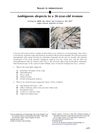
The woman has unexplained hair loss and it's unclear what her condition is or how to treat it.
 April 2016 in “Journal of The American Academy of Dermatology”
 The study found that Temporal Triangular Alopecia often starts in early childhood, while Folliculitis Decalvans is characterized by tufted hairs and redness around hair follicles.
 July 2022 in “JEADV Clinical Practice”
 The document concludes that different types of permanent hair loss conditions are related and early treatment is key to preventing further damage.

A man's scalp hair loss was due to a combined melanocytic nevus and alopecia areata, suggesting a possible link between the two conditions.
 July 2025 in “JAAD Case Reports”
 A thorough assessment and combined treatment are crucial for managing complex alopecia, especially in patients with skin of color.
16 citations
,
December 2015 in “Journal of Investigative Dermatology” Alopecia areata involves persistent gene abnormalities and immune activity, even in regrown hair, suggesting a risk of relapse.

The study concluded that Frontal fibrosing alopecia can affect younger people, is often missed in men, and may be autoimmune-related.
 16 citations
,
May 2013 in “Australasian Journal of Dermatology”
16 citations
,
May 2013 in “Australasian Journal of Dermatology” Hair loss in Cronkhite-Canada syndrome is reversible by treating the gut issues and doesn't need steroid treatment for the hair itself.
 January 2019 in “International Journal of Trichology”
 A woman lost all her hair in one day, was diagnosed with a rare type of hair loss, and regrew it in 12 weeks with treatment.
 14 citations
,
January 2011 in “International Journal of Trichology”
14 citations
,
January 2011 in “International Journal of Trichology” Some people with severe, long-lasting baldness responded well to a specific combination treatment.
 1 citations
,
July 2018 in “Elsevier eBooks”
1 citations
,
July 2018 in “Elsevier eBooks” FAPD and possibly CCCA may be AGA subtypes, and treatments combining antiandrogens, hair growth agents, hair transplants, and anti-inflammatories could be effective.
January 2025 in “Surgical & Cosmetic Dermatology” Temporal triangular alopecia causes permanent hair loss and can be managed with treatments like minoxidil or hair transplantation.
 March 2023 in “Journal of Cosmetic Dermatology”
 A woman's progressive hair loss was correctly diagnosed as a rare condition called fibrosing alopecia in a pattern distribution after initially being mistaken for a more common type.
 13 citations
,
August 2012 in “Journal of the American Academy of Dermatology”
13 citations
,
August 2012 in “Journal of the American Academy of Dermatology” A rare scalp condition causing hair loss and cysts in young men can be treated effectively with a specific steroid injection.
 29 citations
,
June 2013 in “Journal of the Saudi Society of Dermatology & Dermatologic Surgery”
29 citations
,
June 2013 in “Journal of the Saudi Society of Dermatology & Dermatologic Surgery” Alopecia areata is an autoimmune hair loss condition treated with corticosteroids, and histologic confirmation is the best diagnosis method.
 January 2023 in “Annals of Dermatology”
 Patients with a specific genetic variant have more severe alopecia areata and higher recurrence rates.
 July 2023 in “Deleted Journal”
 Alopecia areata is the most common type of baldness treated with corticosteroids and minoxidil.
 4 citations
,
May 2015 in “Indian Journal of Dermatology, Venereology and Leprology”
4 citations
,
May 2015 in “Indian Journal of Dermatology, Venereology and Leprology” Congenital triangular alopecia can occur outside the typical fronto-temporal region.
9 citations
,
November 2004 in “SKINmed Dermatology for the Clinician” A man with hair loss developed a condition causing scarring and inflammation in both bald and non-bald areas of his scalp.
 November 2024 in “International Journal of Dermatology”
 LC-OCT is a useful noninvasive tool for diagnosing and monitoring alopecia areata.
2 citations
,
November 2018 in “Veterinary Dermatology” Poodles' hair changes aren't always linked to calcium, and special staining is needed to detect true calcium deposits.