55 citations
,
December 1983 in “Acta Neurologica Scandinavica” Carbamazepine, valproate, and clonazepam can cause mild to serious side effects during long-term epilepsy treatment.
24 citations
,
December 1997 in “Mayo Clinic proceedings” Carbamazepine may cause lung problems and lupus-like symptoms, which can improve after stopping the drug.
 21 citations
,
June 2011 in “Journal of child neurology”
21 citations
,
June 2011 in “Journal of child neurology” Valproic acid and carbamazepine do not change biotin or biotinidase levels but may lower zinc levels, still within normal range.
16 citations
,
May 2009 in “Journal of child neurology” Valproic acid does not change biotinidase enzyme activity in children's blood.
 13 citations
,
September 1989 in “International Journal of Dermatology”
13 citations
,
September 1989 in “International Journal of Dermatology” Carbamazepine may cause reversible nail detachment.
 12 citations
,
December 1985 in “Dicp-The annals of pharmacotherapy”
12 citations
,
December 1985 in “Dicp-The annals of pharmacotherapy” Carbamazepine can cause hair loss, which may reverse when the medication is stopped.
 10 citations
,
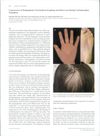
January 2008 in “Acta dermato-venereologica”
10 citations
,
January 2008 in “Acta dermato-venereologica” Carbamazepine caused hair loss and skin eruptions in a woman, which improved after stopping the medication.
 2 citations
,
June 2004 in “PubMed”
2 citations
,
June 2004 in “PubMed” Carbamazepine caused hair loss in a man, which stopped after he stopped taking the drug.
1 citations
,
April 2002 in “PubMed” Anti-epileptic drugs may cause visual and hair side effects due to enzyme inhibition, especially in genetically predisposed individuals.
 88 citations
,
August 2019 in “Nature communications”
88 citations
,
August 2019 in “Nature communications” Researchers found a specific immune receptor in patients that causes severe skin reactions to a drug.
79 citations
,
January 2000 in “Annals of Clinical Psychiatry” Some psychiatric medications can cause hair loss, but stopping or reducing the dose usually reverses it.
 65 citations
,
July 2013 in “International Clinical Psychopharmacology”
65 citations
,
July 2013 in “International Clinical Psychopharmacology” Mood stabilizers like lithium and anticonvulsants have side effects that can lead to patients stopping their medication, and managing these effects is important for treatment adherence.
 38 citations
,
September 1996 in “Annals of Clinical Psychiatry”
38 citations
,
September 1996 in “Annals of Clinical Psychiatry” Hair loss from mood stabilizers is common but can be managed without stopping the medication.
 31 citations
,
October 2013 in “Psychosomatics”
31 citations
,
October 2013 in “Psychosomatics” Psychotropic medications can cause skin reactions, including severe conditions like SJS and TEN, and it's important for psychiatrists to recognize and manage these side effects.
 30 citations
,
May 1991 in “Psychosomatics”
30 citations
,
May 1991 in “Psychosomatics” Some psychiatric medications can cause reversible hair loss.
 16 citations
,
July 1996 in “Dermatologic Clinics”
16 citations
,
July 1996 in “Dermatologic Clinics” Some psychiatric drugs can cause skin problems, but serious reactions are rare.
13 citations
,
February 2013 in “BMJ Case Reports” Stopping finasteride improved seizure control, suggesting neurosteroids affect seizures and treatment.
 12 citations
,
June 2003 in “Journal of the European Academy of Dermatology and Venereology”
12 citations
,
June 2003 in “Journal of the European Academy of Dermatology and Venereology” Some psychoactive drugs can cause skin reactions, with carbamazepine having a higher risk, and stopping the drug and seeing a dermatologist is important.
 6 citations
,
April 2019 in “Russkij žurnal detskoj nevrologii”
6 citations
,
April 2019 in “Russkij žurnal detskoj nevrologii” Some epilepsy drugs can cause reproductive and cosmetic side effects in women and affect pregnancy, but most women still have healthy babies.
 6 citations
,
January 2012 in “Annals of Indian Academy of Neurology”
6 citations
,
January 2012 in “Annals of Indian Academy of Neurology” Women with epilepsy on certain medications might gain weight and have higher thyroid-stimulating hormone levels, but not more polycystic ovarian syndrome.
 3 citations
,
June 2023 in “Medicines”
3 citations
,
June 2023 in “Medicines” Some antiseizure medications can cause reversible hair loss, with valproate, lamotrigine, and carbamazepine being the most common.
3 citations
,
April 2019 in “Journal of the Endocrine Society” Satoyoshi syndrome can occur without causing premature ovarian failure.
1 citations
,
September 2022 in “European Journal of Dermatology” Gene sequencing is essential for diagnosing junctional epidermolysis bullosa.
1 citations
,
April 2015 in “Russkij žurnal detskoj nevrologii” Antiepileptic drugs can cause side effects like menstrual problems and infertility in women with epilepsy, but most pregnancies result in healthy babies, with newer drugs being safer.
1 citations
,
July 2014 in “Current psychiatry” Patients on mood stabilizers need regular health checks, but many aren't monitored properly.
 April 2025 in “European Psychiatry”
 Mood stabilizers for bipolar disorder can cause skin issues, but severe reactions are rare.
The research found how certain drugs and polymers form stable complexes, which could help develop new pharmaceutical forms.
The research shows how certain drug molecules form stable structures with polymers, which could help create new drug forms.
 April 2023 in “Journal of Investigative Dermatology”
 Some patients who had a severe drug reaction developed long-term hair loss.
 18 citations
,
February 2006 in “Brain & development”
18 citations
,
February 2006 in “Brain & development” A patient with Satoyoshi syndrome improved with a treatment combining several medications, including carbamazepine and methotrexate.