 1 citations
,
May 2001 in “Pharmacology & Toxicology”
1 citations
,
May 2001 in “Pharmacology & Toxicology” Cyproterone acetate may cause liver cancer at high doses, but is considered safe at recommended doses for approved uses.
 March 2026 in “BioScience Trends”
 UV radiation causes skin aging by damaging cells and triggering harmful processes.
 January 2025 in “Journal of Materials Chemistry B”
  January 2023 in “Fundamental toxicological sciences”
 Mozuku seaweed fucoidan can inhibit harmful skin bacteria growth.
 June 2022 in “bioRxiv (Cold Spring Harbor Laboratory)”
 ILC1-like cells can cause alopecia areata by attacking hair follicles.
 March 2022 in “Marmara University Open Access System”
 Digital games are part of new media but need a deeper look at their complex nature and cultural roots.
 January 2022 in “Asian journal of Current Research in Clinical Cancer”
 Some dibenzo compounds might help treat cancer with fewer side effects.
 December 2013 in “Biomedical and biopharmaceutical research”
 Nanotechnology shows promise for better drug delivery and cancer treatment.
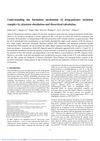
The research shows how certain drug molecules form stable structures with polymers, which could help create new drug forms.
 51 citations
,
March 2006 in “Bioorganic & Medicinal Chemistry”
51 citations
,
March 2006 in “Bioorganic & Medicinal Chemistry” Newly made nicotinamide compounds could potentially treat cancer.
 69 citations
,
February 2021 in “PLoS Computational Biology”
69 citations
,
February 2021 in “PLoS Computational Biology” Securinine and ajmaline may effectively treat liver cancer, with securinine being less toxic to normal cells.
 2 citations
,
July 2020 in “Research Square (Research Square)”
2 citations
,
July 2020 in “Research Square (Research Square)” Some Moroccan medicinal plants may contain compounds that can inhibit the virus causing COVID-19.
1 citations
,
April 2002 in “PubMed” Anti-epileptic drugs may cause visual and hair side effects due to enzyme inhibition, especially in genetically predisposed individuals.
14 citations
,
June 2009 in “Journal of veterinary internal medicine” High doses of albendazole can be deadly for alpacas.
 4 citations
,
January 1998 in “Heterocycles”
4 citations
,
January 1998 in “Heterocycles” Researchers made two new compounds that could be used for medicine.
1 citations
,
March 2013 in “Revista de Investigaciones Veterinarias del Perú” Benzalkonium chloride effectively treats skin fungus in guinea pigs.
 3 citations
,
April 2021 in “Chemical & Pharmaceutical Bulletin”
3 citations
,
April 2021 in “Chemical & Pharmaceutical Bulletin” Extracts from the Calanthe discolor plant promote hair follicle growth and increase growth factor levels.
3 citations
,
May 2021 in “Genetics and Biodiversity Journal” Citrullus colocynthis fruit extract has strong antioxidant and cancer-fighting potential.
1 citations
,
August 2020 Croton membranaceus root extract can change how drugs are processed in the body.

The research created new azasteroids and pseudoazulenyl nitrones, which could be useful in medicine.
September 2025 in “Discover Chemistry.” Alpinia calcarata, Alpinia galanga, and Alpinia zerumbet have potential health benefits, including fiber, antimicrobial, antioxidant, and cardiovascular properties.
 June 2023 in “British Journal of Dermatology”
 Coinheritance of BRCA2 and CYLD genes may lead to new treatment options for certain cancers.
8 citations
,
July 2023 in “Frontiers in Pharmacology” Cepharanthine shows promise as a COVID-19 treatment.
8 citations
,
October 2013 in “Chemistry Central Journal” Metabolite 7 is a strong inhibitor for Alzheimer's disease management.
 15 citations
,
December 2015 in “Textile Research Journal”
15 citations
,
December 2015 in “Textile Research Journal” Adding amber particles to polyamide fibers makes them suitable for medical textiles like compression socks.
 December 2022 in “theses.fr (ABES)”
 Microplastics in the Lebanese Mediterranean carry harmful pollutants, posing environmental and health risks.
 January 2010 in “Nihon Hou Kagaku Gijutsu Gakkaishi”
 The modified staining method can determine the ABO blood group of hair samples accurately.
 April 2021 in “Research Square (Research Square)”
 The new cocrystal KET-PABA is a more effective and safe anti-inflammatory treatment for skin conditions in mice.
July 2026 in “Journal of Enzyme Inhibition and Medicinal Chemistry” Improved CRBN ligands make protein degraders more effective and drug-like.
4 citations
,
January 2023 in “Marine Drugs” Marine compounds from gorgonians and soft corals show promise for drug development, especially for chronic disorders.