14 citations
,
August 2010 in “Journal of Investigative Dermatology” HPV does not cause aggressive cancer in RDEB patients.
 January 2025 in “Repository of the Academy's Library (Library of the Hungarian Academy of Sciences)”
 Nucleic acids trigger chemokine production in skin cells, affecting skin inflammation.
 1 citations
,
July 2023 in “Cancers”
1 citations
,
July 2023 in “Cancers” Skin side effects from CDK4/6 inhibitors in breast cancer patients are generally mild and treatable, allowing most patients to continue treatment.
January 2016 in “AACE Clinical Case Reports” Treatment restored normal sexual characteristics and blood condition in a patient with testicular cancer.
 1 citations
,
April 2016 in “Journal of Investigative Dermatology”
1 citations
,
April 2016 in “Journal of Investigative Dermatology” NLRP1 helps melanoma tumors grow by boosting inflammasome activation and reducing caspase-3 activity.
 April 2023 in “Journal of The American Academy of Dermatology”
 Some drugs linked to growth hormones may increase the chance of hair loss in women.
2 citations
,
November 2024 in “In Silico Pharmacology” 12 citations
,
January 2019 in “AIP conference proceedings” Propolis from Tetragonula biroi bees may help fight cancer cells.
9 citations
,
December 2018 in “Cutaneous and Ocular Toxicology” Combined BRAF and MEK treatment increases rash risk but reduces other skin issues compared to BRAF alone.
15 citations
,
June 2011 in “Journal of Investigative Dermatology” Overexpressing 14-3-3σ in mice skin reduces cell growth and hair density.
7 citations
,
October 2003 in “Nonlinearity in Biology Toxicology Medicine” Confirming low-dose endocrine toxicities is difficult and requires more research.
32 citations
,
April 2011 in “Journal of the American Academy of Dermatology” Erlotinib may cause scarring hair loss.
15 citations
,
February 2014 in “Toxicology Letters” Coumarin derivatives cause skin irritation, but coumarin itself does not.
 5 citations
,
January 2021 in “iScience”
5 citations
,
January 2021 in “iScience” Using a combination of specific cell cycle regulators is better for safely keeping hair root cells alive indefinitely compared to cancer-related methods.
 39 citations
,
October 2014 in “Schweizerische medizinische Wochenschrift”
39 citations
,
October 2014 in “Schweizerische medizinische Wochenschrift” Cyclophosphamide has serious side effects, but long-term follow-up can help manage risks.
7 citations
,
May 2022 in “Cancers” UC.145 may be a new biomarker for predicting gastric cancer.
3 citations
,
May 2016 in “Dermatopathology” Lrig1 could be a marker for advanced sebaceous carcinoma.
January 2015 in “Journals & Books Hosting (International Knowledge Sharing Platform)” Compound 1 showed promising anticancer activity.
 14 citations
,
January 2013 in “Journal of Cutaneous Medicine and Surgery”
14 citations
,
January 2013 in “Journal of Cutaneous Medicine and Surgery” Some cancer treatments can cause permanent hair loss.
September 2016 in “Case Reports in Internal Medicine” Chronic arsenic toxicity can cause diabetes and may not improve even with treatment.
116 citations
,
December 2003 in “Acta Dermato Venereologica” Iressa often causes skin issues like acne and dryness in lung cancer patients.
 2 citations
,
May 2015 in “PloS one”
2 citations
,
May 2015 in “PloS one” Hair follicle pores help cell survival and growth, even after radiation.
April 2017 in “The FASEB Journal” Soy foods may lower colon cancer risk.
 16 citations
,
July 2021 in “Histopathology”
16 citations
,
July 2021 in “Histopathology” New markers and pathways have been found in skin tumors, helping better understand and diagnose them.
 19 citations
,
July 1993 in “Journal of Applied Toxicology”
19 citations
,
July 1993 in “Journal of Applied Toxicology” Different oil products cause varying levels of skin irritation in mice, which could potentially lead to tumors.
 5 citations
,
September 1989 in “Journal of The American Academy of Dermatology”
5 citations
,
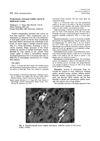
September 1989 in “Journal of The American Academy of Dermatology” Talc in street cocaine can cause immune-reactive skin nodules where injected.

Researchers made new compounds that could potentially be developed into anticancer drugs.
3 citations
,
October 2022 in “Journal of Cosmetic Dermatology” CAR is a useful marker for assessing alopecia areata severity.
 May 2015 in “Cancer Research”
 A new treatment may prevent hair loss from chemotherapy by normalizing scalp cell death and reducing inflammation.
 86 citations
,
October 2017 in “Clinics in Dermatology”
86 citations
,
October 2017 in “Clinics in Dermatology” Older adults have a high rate of skin cancers like basal cell carcinoma and melanoma, mainly due to UV exposure and age.