Search
for
Sort by
Research
120-150 / 1000+ results
research Biochemical and Structural Characteristics, Gene Regulation, Physiological, Pathological and Clinical Features of Lipocalin-Type Prostaglandin D2 Synthase as a Multifunctional Lipocalin
Lipocalin-Type Prostaglandin D2 Synthase (L-PGDS) is a protein that plays many roles in the body, including sleep regulation, pain management, food intake, and protection against harmful substances. It also affects fat metabolism, glucose intolerance, cell maturation, and is involved in various diseases like diabetes, cancer, and arthritis. It can influence sex organ development and embryonic cell differentiation, and its levels can be used as a diagnostic marker for certain conditions.

research Lysine Carboxymethyl Cysteinate (LCC) Protects the Epidermis from UVB-Induced Barrier Damage Through the Activation of Autophagy
Lysine carboxymethyl cysteinate (LCC) protects skin from UVB damage by activating autophagy.

research Is lichen planus a marker for dyslipidemia and metabolic syndrome?
Lichen planus may be associated with a higher risk of metabolic syndrome.

research The role of lysophosphatidic acid in the physiology and pathology of the skin
Lysophosphatidic acid is important for skin health and disease, and could be a target for new skin disorder treatments.
research Damaged hair retrieval with ceramide-rich liposomes.
Ceramide-rich liposomes can effectively repair and strengthen damaged hair.

research Clinical Profile and Outcomes of Filipino Lupus Patients with Myocarditis in a Tertiary Hospital
Early immunosuppressive therapy leads to favorable outcomes in Filipino lupus patients with myocarditis.
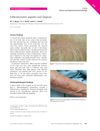
research Folliculocentric papules and alopecia
A 70-year-old woman with a rare skin condition improved after treatment with topical steroids and acitretin.
research Novel small‐insertion mutation in the LIPH gene in a patient with autosomal recessive woolly hair/hypotrichosis
Researchers found a new mutation in the LIPH gene of a woman with a rare hair condition.

research Preparation and characterization of Betasitosterol-loaded nanostructured lipid carriers for butter enrichment
Researchers made a special butter with added betasitosterol that could be healthier for the heart and stayed good for three months.
research LIPOSOMES
Liposomes can improve the effectiveness of skin treatments.
research Two-ligand priming mechanism for potentiated phosphoinositide synthesis is an evolutionarily conserved feature of Sec14-like phosphatidylinositol and phosphatidylcholine exchange proteins
A protein in plants needs to bind two lipids to help with root hair growth, and this process is similar across different plant species.
research Severe Skin Permeability Barrier Dysfunction in Knockout Mice Deficient in a Fatty Acid ω-Hydroxylase Crucial to Acylceramide Production
Lack of a key enzyme causes severe skin issues and death in mice.

research Localized cutaneous necrosis associated with the antiphospholipid syndrome
A woman with lupus experienced skin death due to a blood clotting disorder after stopping a blood thinner, which healed with treatment.
research Olive and olive oil: a one stop herbal solution for the prophylaxis and management of cardiovascular disorders
Olive and olive oil help prevent and manage heart diseases.

research Progressive Metabolic Dysfunction-Associated Steatotic Liver Disease (MASLD) from a Young Age Due to a Rare Genetic Disorder, Familial Partial Lipodystrophy: A Case Report and Review of the Literature
Recognizing rare causes of MASLD is crucial for effective treatment and preventing complications.

research How to diagnose a lipodystrophy syndrome
The document concludes that recognizing and properly diagnosing lipodystrophy syndromes is crucial for effective management and treatment.
research A case of encephalocraniocutaneous lipomatosis
The document reports a rare case of ECCL with a new association with optic disc colobomas.
research Autosomal recessive woolly hair/hypotrichosis caused by LIPH mutations: a case report
Mutations in the LIPH gene cause woolly hair in a child.

research Dunnigan-Type Familial Partial Lipodystrophy: Understanding and Treating the Syndrome
The document concludes that managing Dunnigan-Type Familial Partial Lipodystrophy involves treating associated health issues and using medications like metformin and leptin replacement.

research The Relationship between Lichen Planus and Carotid Intima Media Thickness.
People with Lichen Planus have thicker carotid artery walls, but it's not solely due to Lichen Planus when other factors are considered.
research Role of S-Palmitoylation by ZDHHC13 in Mitochondrial function and Metabolism in Liver
ZDHHC13 is important for normal liver function and metabolism, affecting mitochondrial activity.
research Necrobiosis Lipoidica
Necrobiosis lipoidica may need new criteria for accurate diagnosis due to similarities with another condition.
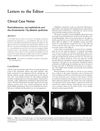
research Clinical Case Notes. Lipoid proteinosis: a rare disorder with pathognomonic lid lesions
A baby boy with 13q deletion syndrome had eye cancer, a woman's vision improved after stopping a breast cancer drug, a man developed cataracts from using Propecia, and a rare skin disorder called Lipoid Proteinosis was discussed. Also, a tool called OCT is useful for diagnosing macular diseases.
research Impact of Combined Baricitinib and FTI Treatment on Adipogenesis in Hutchinson–Gilford Progeria Syndrome and Other Lipodystrophic Laminopathies
Baricitinib and its combination with lonafarnib improve fat cell formation in certain genetic disorders.
research Novel lysophosphoplipid receptors: their structure and function
Lysophospholipids can act as anti-inflammatory agents through specific receptors, but more research is needed.

research Women’s Health Considerations for Lipid Management
The conclusion is that managing cholesterol is important for women, especially during pregnancy, breastfeeding, and with PCOS, and involves regular screening and careful treatment choices.

research Reduced cardiotoxicity and comparable efficacy in a phase IIItrial of pegylated liposomal doxorubicin HCl(CAELYX™/Doxil®) versus conventional doxorubicin forfirst-line treatment of metastatic breast cancer
Pegylated liposomal doxorubicin is as effective as conventional doxorubicin but causes fewer heart problems and side effects.

research Exploring pericyte and cardiac stem cell secretome unveils new tactics for drug discovery
New drugs for heart disease may be developed from molecules secreted by stem cells.

research Latent transforming growth factor beta-binding protein 1 (LTBP1): roles as a multifunctional extracellular matrix regulator in human disease. From molecular mechanisms to clinical translation prospects
LTBP1 is a key regulator in diseases and a potential target for new treatments.