13 citations
,
November 2016 in “Human & Experimental Toxicology” Maternal exposure to artificial food coloring may increase skin disease risk in rat offspring.
1 citations
,
November 2021 in “Oman Medical Journal” Cyclosporine A treatment caused rare hair repigmentation in a 65-year-old man.
12 citations
,
June 2006 in “Pediatric blood & cancer” A 16-year-old boy had pernicious anemia, autoimmune hemolytic anemia, and later developed alopecia areata.
Many people in Saudi Arabia use vitamin D supplements, but few experience toxicity, showing the need for professional guidance when taking these supplements.
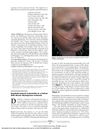 9 citations
,
May 2013 in “JAMA Dermatology”
9 citations
,
May 2013 in “JAMA Dermatology” A woman's hair turned white after taking a cancer drug called dasatinib.
 3 citations
,
July 2015 in “Australasian Journal of Dermatology”
3 citations
,
July 2015 in “Australasian Journal of Dermatology” A man developed an allergic skin reaction to a rosacea treatment and improved after stopping the medication and receiving allergy-specific care.
21 citations
,
January 1999 in “Molecular and Cellular Biochemistry” Niacin deficiency makes rats more sensitive to cancer-causing chemicals.
 5 citations
,
June 2020 in “Experimental dermatology”
5 citations
,
June 2020 in “Experimental dermatology” Redheaded people may have evolved to efficiently make vitamin D in areas with less sunlight.
Iron supplements help reduce fatigue in anaemia but often cause side effects like black stools and stomach issues.
4 citations
,
May 2018 in “Türk pediatri arşivi : İstanbul çocuk kliniği dergisi” Oral retinoic acid effectively treated collodion baby, with hair loss as the main side effect.
January 2024 in “Skin Appendage Disorders” Eyelash loss can temporarily occur from chemotherapy for retinoblastoma.
49 citations
,
July 1994 in “British journal of dermatology/British journal of dermatology, Supplement” Some children with methylmalonic and propionic acidaemias have skin problems related to their condition and diet.
23 citations
,
January 1964 in “Archives of Dermatology” Treatment with vitamin A did not improve the child's skin condition.
2 citations
,
December 1988 in “PubMed” C.I. Acid Orange 3 caused cancer in female rats but not in male rats or mice.
 September 2025 in “OBM Genetics”
 Early diagnosis and comprehensive management improve life quality for Netherton syndrome patients.
 June 2025 in “American Journal of Environmental Science and Engineering”
 Organically grown carrots have less heavy metal content and are safer to eat.
October 2019 in “Postgraduate Medical Journal” Pellagrous dermatitis, caused by niacin deficiency, can be cured with vitamin supplements.
 January 2007 in “Journal of the American Academy of Dermatology”
 A 73-year-old man's grey-white hair turned dark brown after eczema treatment.
16 citations
,
November 2003 in “Journal of the American Academy of Dermatology” Iron therapy cured the boy's hair color issue.
 27 citations
,
September 2015 in “PharmaNutrition”
27 citations
,
September 2015 in “PharmaNutrition” Astaxanthin is a safe antioxidant that may improve heart, skin, eye health, and physical performance, and help manage chronic diseases.
 1 citations
,
May 2023 in “Cutis”
1 citations
,
May 2023 in “Cutis” Eating disorders can cause skin problems, which may help with early diagnosis and treatment.
1 citations
,
December 2013 in “Balkan Journal of Medical Genetics” Cystic fibrosis can cause unusual symptoms like hair color changes, which can improve with proper treatment.
1 citations
,
November 2003 in “Annals of saudi medicine/Annals of Saudi medicine” A 17-year-old in Saudi Arabia was diagnosed with a rare skin condition causing red-brown facial patches.
 November 2022 in “Journal of the Endocrine Society”
 Excessive iodine from a cystic fibrosis supplement can cause hypothyroidism.
8 citations
,
August 2018 in “BMJ Case Reports” Pazopanib treatment caused rapid hair color loss, possibly indicating its effectiveness.
May 2023 in “International Journal of Advanced Research” Anemia in pregnant women is influenced by age, antenatal care, and diet, with coffee increasing risk.
Retinoids can cause skin issues and hair loss due to their effects on cell membranes.
 May 2025 in “BMJ Case Reports”
 Minoxidil can cause temporary vision loss and color blindness.
June 2025 in “Albus Scientia” MC1R gene variations affect skin, hair color, UV sensitivity, and melanoma risk.