
Camel hair textiles treated with Rose Bengal effectively kill bacteria under light.
 1 citations
,
January 2020 in “Qucosa (Saxon State and University Library Dresden)”
1 citations
,
January 2020 in “Qucosa (Saxon State and University Library Dresden)” Fine hair on bovine leathers is hard to remove, lowering leather quality and value, but can be managed with specific processing methods.
 1 citations
,
October 2022 in “PubMed”
1 citations
,
October 2022 in “PubMed” Gender affects wool traits in sheep, with males and females showing differences in skin proteins related to wool growth.
20 citations
,
February 1994 in “In vitro cellular & developmental biology. Animal” Wool follicles can grow in a lab with the right nutrients and conditions.
4 citations
,
March 2016 in “Small ruminant research” Vicuña wool's quality is due to a high density of fine secondary hair follicles, and their skin glands may be used for communication.
 37 citations
,
October 2013 in “PLoS ONE”
37 citations
,
October 2013 in “PLoS ONE” MicroRNAs play a key role in wool growth in Tibetan sheep.
7 citations
,
April 2013 in “Animal Production Science” Altering maternal cortisol during pregnancy can improve wool growth in Merino sheep.
 6 citations
,
April 2022 in “Frontiers in cell and developmental biology”
6 citations
,
April 2022 in “Frontiers in cell and developmental biology” The research identified key proteins and genes that may influence wool bending in goats.
IRS-specific genes in Tan sheep hair follicles peak at birth and may affect wool crimp.
 7 citations
,
January 2001 in “Annales de zootechnie”
7 citations
,
January 2001 in “Annales de zootechnie” Melatonin treatment increases wool production and improves fiber quality in angora rabbits.
January 2011 in “Maofang ke-ji” Rabbit hair research improved its use in textiles and new applications.
November 2025 in “Veterinary and Animal Science” Camel hair structure, not color, helps camels stay cool in the desert.

Variant G of the KRTAP20-1 gene improves wool curliness in Chinese Tan sheep.

Researchers found genes in sheep that may affect hair growth and wool quality.
5 citations
,
January 2021 in “Animal Production Science” Lipid metabolism affects wool fiber diameter in sheep.
11 citations
,
July 2021 in “Genetics selection evolution” Researchers found genes and genetic variants linked to sheep wool and skin wrinkles.
17 citations
,
August 2015 in “Journal of Animal Science” The MTR gene affects wool quality and production in Chinese Merino sheep.
January 2009 in “Adelaide Research & Scholarship (AR&S) (University of Adelaide)” Identifying and manipulating key genes can improve wool quality and productivity in sheep.
 July 2022 in “New Zealand journal of agricultural research”
 The KRTAP27-1 gene variations in sheep may affect wool length and weight.
 78 citations
,
February 2004 in “British Journal of Dermatology”
78 citations
,
February 2004 in “British Journal of Dermatology” Melatonin helps hair growth in women with hair loss.
 November 2025 in “Frontiers in Cell and Developmental Biology”
 The study maps goat hair follicle cells, revealing key genes and pathways involved in hair growth and cell death.
The document discusses how traditional Chinese medicine extracts may affect hair growth in animals but lacks detailed results.
24 citations
,
October 2019 in “Genes” A new sheep gene, KRTAP36-1, may help breed sheep with better wool by reducing prickle factor.
10 citations
,
June 2024 in “Frontiers in Genetics” Different sheep breeds share similar genetic factors affecting wool fineness.
 7 citations
,
October 1963 in “Textile Research Journal”
7 citations
,
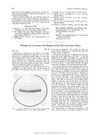
October 1963 in “Textile Research Journal” Merino wool fibers change shape with moisture, while human hair shape stays the same.
 6 citations
,
January 2020 in “Czech Journal of Animal Science”
6 citations
,
January 2020 in “Czech Journal of Animal Science” The FAT1 gene and its variations can help improve wool quality in Chinese Merino sheep through selective breeding.
July 2005 in “HortScience” Adding wool or hair waste to soil boosts crop yields and nutrient levels.
The study found genetic variations in sheep that affect traits like milk production, growth, and health.
4 citations
,
July 2024 in “Animals” The KRTAP19-5 gene affects wool curvature in Chinese Tan sheep, with Variant B reducing curvature.
4 citations
,
May 2024 in “Genes” KRT81 gene variations in sheep affect wool weight but not fiber length or thickness.