April 2000 in “Chinese Journal of Dermatology” Epidermal growth factor (EGF) boosts hair follicle growth and speeds up hair cycle transition.
 January 1991 in “Journal of Pediatric Health Care”
 Hair loss in children can be caused by fungal infections, trauma, autoimmune disorders, or stress, and treatments vary depending on the cause.
17 citations
,
June 1997 in “Baillière's clinical obstetrics and gynaecology” Scientists now better understand how human hair growth is controlled, including the roles of specific genes and proteins.
 53 citations
,
January 2009 in “Journal of Investigative Dermatology”
53 citations
,
January 2009 in “Journal of Investigative Dermatology” UVB radiation harms hair growth and health, causing cell death and other changes in human hair follicles.
 October 2023 in “Journal of Cosmetic Dermatology”
 A synthetic octapeptide may help promote hair growth and counteract hair loss.
91 citations
,
March 1996 in “Archives of Dermatological Research” Certain cytokines and growth factors can inhibit hair growth and may affect alopecia areata.
 47 citations
,
August 2016 in “Fitoterapia”
47 citations
,
August 2016 in “Fitoterapia” Some herbs and their components might help treat hair loss by affecting various biological pathways, but more research and regulation are needed.
 January 2019 in “Springer eBooks”
 Some chemicals and drugs can cause hair loss, which usually grows back after stopping the treatment.
 124 citations
,
August 1994 in “Journal of Investigative Dermatology”
124 citations
,
August 1994 in “Journal of Investigative Dermatology” Dexamethasone speeds up hair loss in mice, while cyclosporin A slows it down.
 15 citations
,
September 2008 in “Archives of Dermatological Research”
15 citations
,
September 2008 in “Archives of Dermatological Research” Roxithromycin, an antibiotic, can increase hair growth and might be used as a treatment for hair loss.
 15 citations
,
January 2015 in “Skin Pharmacology and Physiology”
15 citations
,
January 2015 in “Skin Pharmacology and Physiology” Parathyroid hormones are important for hair growth, but their use in treating hair loss from chemotherapy is still uncertain.
 218 citations
,
January 2013 in “The Lancet Oncology”
218 citations
,
January 2013 in “The Lancet Oncology” Chemotherapy causes hair loss by damaging hair follicles and stem cells, with more research needed for prevention and treatment.
 6 citations
,
June 2019 in “Journal of dermatology”
6 citations
,
June 2019 in “Journal of dermatology” Dermal fillers can cause hair loss, so dermatologists should be aware.
 6 citations
,
April 2010 in “Journal of Dermatological Science”
6 citations
,
April 2010 in “Journal of Dermatological Science” Laminin-511 may help promote hair growth, while laminin-332 does not affect hair loss.
 4 citations
,
July 2020 in “BMC Complementary Medicine and Therapies”
4 citations
,
July 2020 in “BMC Complementary Medicine and Therapies” Human placenta helps hair grow back after chemotherapy by blocking cell death and increasing hair follicle growth.
 1 citations
,
May 2006 in “Expert Opinion on Therapeutic Patents”
1 citations
,
May 2006 in “Expert Opinion on Therapeutic Patents” No FDA-approved treatments for chemotherapy-induced hair loss existed in 2006; more research was needed.
 147 citations
,
September 2006 in “Developmental Cell”
147 citations
,
September 2006 in “Developmental Cell” Too much Smad7 changes skin and hair development by breaking down a protein called β-catenin, leading to more oil glands and fewer hair follicles.
 147 citations
,
April 1994 in “Drug Safety”
147 citations
,
April 1994 in “Drug Safety” Some drugs can cause hair loss or increase hair growth, but these effects are usually reversible when the drug is stopped.
 48 citations
,
February 2017 in “Journal of Cosmetic Dermatology”
48 citations
,
February 2017 in “Journal of Cosmetic Dermatology” The conclusion is to use scalp cooling, gentle hair care, and treatments like minoxidil for managing hair loss from chemotherapy, and stresses the need for more research and collaboration in this area.
 44 citations
,
November 2010 in “Current Opinion in Supportive and Palliative Care”
44 citations
,
November 2010 in “Current Opinion in Supportive and Palliative Care” Many patients find hair loss from chemotherapy very distressing, and while treatments like minoxidil and scalp cooling may help, there is no sure way to prevent it.
 43 citations
,
June 2012 in “Lasers in Medical Science”
43 citations
,
June 2012 in “Lasers in Medical Science” Low-level laser treatment helped rats regrow hair faster after chemotherapy.
 33 citations
,
September 2012 in “Australasian Journal of Dermatology”
33 citations
,
September 2012 in “Australasian Journal of Dermatology” Chemotherapy can cause hair changes similar to alopecia areata, which might lead to misdiagnosis.
 32 citations
,
May 2015 in “Journal of Investigative Dermatology”
32 citations
,
May 2015 in “Journal of Investigative Dermatology” Mice without collagen VI have slower hair growth normally but faster regrowth after injury.
 25 citations
,
April 2015 in “Journal of Investigative Dermatology”
25 citations
,
April 2015 in “Journal of Investigative Dermatology” GasderminA3 is important for normal hair cycle transitions by controlling Wnt signaling.
 23 citations
,
July 2018 in “Journal of Cosmetic Dermatology”
23 citations
,
July 2018 in “Journal of Cosmetic Dermatology” Chemotherapy caused hair loss with specific patterns, but most patients had hair regrowth after treatment, while some had lasting hair loss.
 22 citations
,
February 2008 in “Journal of Dermatological Science”
22 citations
,
February 2008 in “Journal of Dermatological Science” EPR spectroscopy showed that spontaneous hair growth results in thicker skin and less pigmented hair than depilation-induced growth.
 20 citations
,
September 2013 in “Anti-Cancer Drugs”
20 citations
,
September 2013 in “Anti-Cancer Drugs” PTH-CBD could help prevent and treat hair loss caused by chemotherapy in mice.
 19 citations
,
November 2018 in “Nutrients”
19 citations
,
November 2018 in “Nutrients” Annurca apple extract may protect mouse hair from damage by chemotherapy and could help treat hair loss without promoting cancer growth.
 17 citations
,
December 2013 in “Journal of Investigative Dermatology Symposium Proceedings”
17 citations
,
December 2013 in “Journal of Investigative Dermatology Symposium Proceedings” Bimatoprost is safe and effective for treating eyelash loss caused by chemotherapy.
 17 citations
,
January 2010 in “International journal of trichology”
17 citations
,
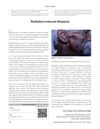
January 2010 in “International journal of trichology” A man experienced hair loss from radiotherapy, which can be temporary or permanent depending on radiation dose, with potential treatments available.