 520 citations
,
February 2001 in “Journal of Clinical Investigation”
520 citations
,
February 2001 in “Journal of Clinical Investigation” VEGF helps hair grow and determines follicle size by increasing blood vessel growth.
 218 citations
,
January 2013 in “The Lancet Oncology”
218 citations
,
January 2013 in “The Lancet Oncology” Chemotherapy causes hair loss by damaging hair follicles and stem cells, with more research needed for prevention and treatment.
 211 citations
,
October 2001 in “The FASEB Journal”
211 citations
,
October 2001 in “The FASEB Journal” Noggin is necessary to start the hair growth phase in skin after birth.
 192 citations
,
April 2019 in “ACS nano”
192 citations
,
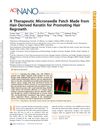
April 2019 in “ACS nano” A new microneedle patch made from hair proteins helps regrow hair faster and better than current treatments.
 170 citations
,
July 2012 in “Journal of Investigative Dermatology”
170 citations
,
July 2012 in “Journal of Investigative Dermatology” Wnt ligands are crucial for hair growth and repair.
 168 citations
,
August 2009 in “EMBO molecular medicine”
168 citations
,
August 2009 in “EMBO molecular medicine” Epidermal stem cells are diverse and vary in activity, playing key roles in skin maintenance and repair.
 153 citations
,
October 2007 in “Cell Stem Cell”
153 citations
,
October 2007 in “Cell Stem Cell” New research suggests that skin cell renewal may not require a special type of cell previously thought to be essential.
 147 citations
,
September 2006 in “Developmental Cell”
147 citations
,
September 2006 in “Developmental Cell” Too much Smad7 changes skin and hair development by breaking down a protein called β-catenin, leading to more oil glands and fewer hair follicles.
 135 citations
,
December 2013 in “Seminars in Cell & Developmental Biology”
135 citations
,
December 2013 in “Seminars in Cell & Developmental Biology” Stem cells in the hair follicle are regulated by their surrounding environment, which is important for hair growth.
 122 citations
,
July 2005 in “The FASEB journal”
122 citations
,
July 2005 in “The FASEB journal” Hair follicles produce and respond to melatonin, affecting hair growth and sensitivity to estrogen.
 103 citations
,
November 2014 in “Journal of Cell Biology”
103 citations
,
November 2014 in “Journal of Cell Biology” MicroRNA-214 is important for skin and hair growth because it affects the Wnt pathway.
 98 citations
,
June 2008 in “Human mutation”
98 citations
,
June 2008 in “Human mutation” A genetic change in the EDAR gene causes the unique hair traits found in East Asians.
 95 citations
,
January 2012 in “British Journal of Dermatology”
95 citations
,
January 2012 in “British Journal of Dermatology” Androgens block hair growth by disrupting cell signals; targeting GSK-3 may help treat hair loss.
 76 citations
,
August 2018 in “International Journal of Cosmetic Science”
76 citations
,
August 2018 in “International Journal of Cosmetic Science” Dermal Papilla cells are a promising tool for evaluating hair growth treatments.
 75 citations
,
October 2016 in “Genes & Development”
75 citations
,
October 2016 in “Genes & Development” Cells in hair follicles help create fat cells in the skin by releasing a protein called Sonic Hedgehog.
 73 citations
,
June 2001 in “Endocrinology”
73 citations
,
June 2001 in “Endocrinology” Prolactin affects when mice shed and grow hair.
 72 citations
,
July 2012 in “Journal of Investigative Dermatology”
72 citations
,
July 2012 in “Journal of Investigative Dermatology” Mice lacking a key DNA methylation enzyme in skin cells have a lower chance of activating stem cells necessary for hair growth, leading to progressive hair loss.
 62 citations
,
January 2000 in “Developmental dynamics”
62 citations
,
January 2000 in “Developmental dynamics” Notch-related genes play a key role in the development and cycling of hair follicles.
 60 citations
,
July 2011 in “Stem Cells and Development”
60 citations
,
July 2011 in “Stem Cells and Development” Certain signals and genes play a key role in hair growth and regeneration, and understanding these could lead to new treatments for skin regeneration.
 59 citations
,
April 2016 in “Cell Reports”
59 citations
,
April 2016 in “Cell Reports” EdnrB signaling helps melanocyte stem cells regenerate and could be targeted to treat pigmentation issues.
 57 citations
,
January 2013 in “International Journal of Medical Sciences”
57 citations
,
January 2013 in “International Journal of Medical Sciences” Lef1 helps stem cells become hair cells by interacting with specific signaling pathways.
 57 citations
,
April 2002 in “The journal of investigative dermatology/Journal of investigative dermatology”
57 citations
,
April 2002 in “The journal of investigative dermatology/Journal of investigative dermatology” Vitamin D receptor is crucial for starting hair growth after birth.
 54 citations
,
January 2009 in “British Journal of Dermatology”
54 citations
,
January 2009 in “British Journal of Dermatology” Scarring alopecia affects different hair follicle stem cells than nonscarring alopecia, and the infundibular region could be a new treatment target.
 54 citations
,
June 2003 in “The journal of investigative dermatology. Symposium proceedings/The Journal of investigative dermatology symposium proceedings”
54 citations
,
June 2003 in “The journal of investigative dermatology. Symposium proceedings/The Journal of investigative dermatology symposium proceedings” Disruptions in hair follicle fibroblast dynamics can cause hair growth problems.
 53 citations
,
March 2014 in “Growth Hormone & IGF Research”
53 citations
,
March 2014 in “Growth Hormone & IGF Research” IGF-1 injections help mice grow more hair by increasing cell growth and blocking a hair growth inhibitor.
 53 citations
,
May 2010 in “Journal of Cellular Physiology”
53 citations
,
May 2010 in “Journal of Cellular Physiology” Mice without Vitamin D receptors have hair growth problems because of issues in the hedgehog signaling pathway.
 52 citations
,
September 2018 in “International Journal of Molecular Sciences”
52 citations
,
September 2018 in “International Journal of Molecular Sciences” Ginseng and its compounds may help hair growth and prevent hair loss, but more human trials are needed to confirm this.
 47 citations
,
October 2016 in “Molecular and Cellular Endocrinology”
47 citations
,
October 2016 in “Molecular and Cellular Endocrinology” Androgens prevent hair growth by changing Wnt signals in cells.
 43 citations
,
June 2012 in “Lasers in Medical Science”
43 citations
,
June 2012 in “Lasers in Medical Science” Low-level laser treatment helped rats regrow hair faster after chemotherapy.
 42 citations
,
February 2021 in “Signal Transduction and Targeted Therapy”
42 citations
,
February 2021 in “Signal Transduction and Targeted Therapy” Hair follicle regeneration possible, more research needed.