 January 2025 in “New Journal of Chemistry”
 Hollow mesoporous organosilica nanoparticles are promising for biomedical use.
 November 2024 in “Communities in ADDI (University of the Basque Country)”
 Antisense oligonucleotides show promise for treating Myotonic Dystrophy type I.
 August 2024 in “Qucosa (Saxon State and University Library Dresden)”
 White fat tissue in the skin helps control inflammation by affecting certain immune cells.
 February 2024 in “International Journal For Multidisciplinary Research”
 Nanostructured lipid carriers are effective for treating hyperpigmentation in women aged 30-40.
 February 2024 in “Pharmaceutical research”
 Hair follicles affect how well small molecules can pass through the skin, and this varies depending on the molecule's features.
 January 2024 in “Regenerative Biomaterials”
 Metal organic frameworks-based scaffolds show promise for tissue repair due to their unique properties.
 January 2024 in “Journal of chemical health risks”
 Gold nanoparticles show promise for treating inflammatory bowel disease by reducing inflammation and colon injury.
 September 2023 in “Asian journal of beauty & cosmetology”
 Lipids are important for healthy hair, but their exact role is not fully understood and needs more research.
 September 2023 in “HAL (Le Centre pour la Communication Scientifique Directe)”
 Peptide nanoparticles can effectively deliver CRISPR-Cas9 to target KRAS mutations in cancer.
 July 2023 in “Research Square (Research Square)”
 Using 120% sodium citrate in blood gives the best platelet recovery and enrichment.
 June 2023 in “Juan Cuevas eBooks”
 Personalized care and evaluation are crucial for successful plastic surgery outcomes.

More research is needed to confirm the potential of various treatments, including Helichrysum plicatum, vitamins, bromelain, personalized medications, hydrogels, and bacteriophage therapy.
 January 2023 in “Postępy Dermatologii i Alergologii”
 Azelaic acid treats acne, rosacea, and hyperpigmentation with minimal side effects.
 January 2022 in “European Proceedings of Life Sciences”
 Understanding genetic traits can help doctors create personalized detox and nutrition plans to boost antioxidant protection.
 January 2022 in “International Journal of Medical Research”
 Chemotherapy harms healthy cells, causing side effects like hair loss and reduced immunity.

Cepharanthine and tetrandrine show promise as COVID-19 drugs.
 January 2021 in “Middle East journal of applied sciences”
 Zinc is essential for plant growth and human health, but many soils lack enough zinc, affecting crops and potentially leading to health problems.
 January 2019 in “ARC journal of pharmaceutical sciences”
 Acne can be managed with various treatments and requires psychological support due to its emotional impact.
 January 2019 in “Applied Organometallic Chemistry”
 The compound (NH4)2Mn0.17Cu0.83Cl4.2H₂O has a specific structure, shows weak magnetism at low temperatures, and undergoes phase changes at high temperatures.
 January 2016 in “Springer eBooks”
 New materials and methods could improve skin healing and reduce scarring.

Higher cholesterol levels increase aggressive prostate cancer risk.
 June 2008 in “Dermatologic Surgery”
 Hydrogen peroxide may have both positive and negative effects on wound healing, and its safe concentration for hair transplant surgery is unclear.
 April 2018 in “Journal of Chromatographic Science”
 Finasteride's stability and safety confirmed through precise analytical methods.
 10 citations
,
June 2001 in “International Journal of Cosmetic Science”
10 citations
,
June 2001 in “International Journal of Cosmetic Science” Natural shampoos made in the lab conditioned hair better than commercial ones with chemicals.
 June 2007 in “Journal of Investigative Dermatology”
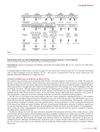
 Title change to "Central Centrifugal Cicatricial Alopecia (CCCA)"; common in African American women; hair-grooming methods may contribute; no effective therapy found; trials needed.
22 citations
,
January 1992 in “PubMed” Higher CSF 5-HIAA levels may predict better response to serotonin re-uptake inhibitors in trichotillomania.
22 citations
,
March 1999 in “International Journal of Clinical Practice” Diphencyprone (DCP) is an effective treatment for severe alopecia areata and resistant warts, with some risks.
 April 2024 in “JMR. Journal of molecular recognition/Journal of molecular recognition”
 Hydrophilic carbon dots cause one protein to clump more and prevent another from clumping.
28 citations
,
June 2007 in “Journal of Cutaneous Pathology” IRS premature desquamation is not unique to CCCA and occurs in various scarring alopecias.
 January 2012 in “Yearbook of Dermatology and Dermatologic Surgery”
 Electric current quickly reduces hand sweating but the effect doesn't last long.