 February 2010 in “Journal of The American Academy of Dermatology”
 Surgery on a baby with a skin disorder improved eyelid position and eye health.
13 citations
,
June 2012 in “Dermatologic Surgery” Severe scars need a mix of treatments for best results.
1 citations
,
June 2018 in “Dermatologic Surgery” 
Various substances, quitting smoking, and certain topical applications can enhance the survival of skin flaps used in surgery. Oxygen-free radicals play a role in tissue injury, but certain treatments can have beneficial effects.
 9 citations
,
September 1947 in “Archives of dermatology and syphilology”
9 citations
,
September 1947 in “Archives of dermatology and syphilology” Electrolysis is better for permanent hair removal with less scarring.
 1 citations
,
March 2024 in “International Journal of Dermatology”
1 citations
,
March 2024 in “International Journal of Dermatology” CO2 laser-associated PDT effectively treated therapy-resistant folliculitis decalvans.
 10 citations
,
January 2018 in “Elsevier eBooks”
10 citations
,
January 2018 in “Elsevier eBooks” Burn scars heal abnormally and more research is needed to find better treatments.
1 citations
,
August 2018 in “Dermatologic Surgery” 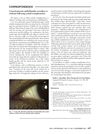 December 2012 in “Canadian journal of ophthalmology”
 Eyelash transplantation can cause eye damage and pain if not done carefully.
5 citations
,
October 2020 in “Bioengineering & translational medicine” Researchers used a laser to create advanced skin models with hair-like structures.
 20 citations
,
January 2006 in “Clinics in Plastic Surgery”
20 citations
,
January 2006 in “Clinics in Plastic Surgery” Tumescent liposuction is safe and effective for different cosmetic surgeries if done within recommended limits.
 6 citations
,
November 2018 in “Photodiagnosis and Photodynamic Therapy”
6 citations
,
November 2018 in “Photodiagnosis and Photodynamic Therapy” A wearable cap-like device using light therapy reduced scalp skin lesions by 71% and was painless.
 57 citations
,
July 2005 in “Clinics in Plastic Surgery”
57 citations
,
July 2005 in “Clinics in Plastic Surgery” Reconstruct lips with proper planning, templates, and revisions for appearance and function.
 October 2023 in “Facial Plastic Surgery”
 FUE hair restoration is generally safe but can have complications, especially if done by untrained individuals.
 January 2019 in “Clinical Dermatology Open Access Journal”
 Combining corticosteroids and non-ablative fractional laser therapy may effectively treat extensive alopecia areata.
 84 citations
,
June 2013 in “Stem Cells Translational Medicine”
84 citations
,
June 2013 in “Stem Cells Translational Medicine” New methods for skin and nerve regeneration can improve healing and feeling after burns.
 January 1995 in “Surgical technology international”
 Using consecutive transposition flaps can manage gaps in hair growth after multiple hair loss surgeries.
2 citations
,
October 1962 in “Archives of Dermatology” Surgical methods can't treat gray hair, hair loss, or thinning skin.
3 citations
,
January 2012 in “Journal of cosmetics, dermatological sciences and applications” Many Iraqi patients had skin problems at the site where a vein was taken for heart surgery.
99 citations
,
July 1996 in “Journal of Investigative Dermatology” Using patient's own hair cells can effectively heal chronic leg ulcers.
3 citations
,
December 2003 in “Archives of Pathology & Laboratory Medicine” The nodule was a benign cutaneous lymphadenoma, not cancer, and was successfully removed.

Follicular unit extraction is safe and effective without bupivacaine and nerve blocks when using lignocaine with adrenaline.
 January 2018 in “Springer eBooks”
 Lasers are FDA-approved for permanent hair reduction, not removal, and more research is needed to improve treatments.
 9 citations
,
November 2008 in “Facial Plastic Surgery”
9 citations
,
November 2008 in “Facial Plastic Surgery” Effective scalp reconstruction requires a wide range of surgical skills and an understanding of hair biology.
 70 citations
,
June 2017 in “Nature Communications”
70 citations
,
June 2017 in “Nature Communications” A new laser technique can precisely remove specific cell types in living animals without harming nearby cells.
56 citations
,
December 1978 in “The Journal of Dermatologic Surgery and Oncology” Transplanting small skin grafts can successfully repigment leukoderma.
 April 2019 in “Journal of Investigative Dermatology”
 Fractional photothermolysis helps wounds heal with minimal scarring.
6 citations
,
August 2005 in “Facial Plastic Surgery Clinics of North America” Specific techniques can make facelift results look more natural.
6 citations
,
November 2020 in “Journal of Recent Advances in Medicine/Journal of Recent Advances in Medicine ” Surgical treatments for vitiligo are improving to enhance results and reduce costs.
Stem cell therapies show promise for healing skin wounds but need more testing.