Search
for
Sort by
Research
600-630 / 1000+ resultsresearch Cross‐linked features of mouse pelage hair resistant to detergent extraction
Two mouse mutants have defective hair cuticle cross-linking.
research Inducible cre-mediated N-ras activation and PTEN inactivation in transgenic mouse melanocytes requires keratinocyte hyperplasia to elicit a melanocyte pathology
Melanocyte pathology requires keratinocyte hyperplasia and regulation dysfunction.
research Abstract 5022: Keratin15 (Krt15) + are radio resistant and tumor-initiating cells in the mouse small intestine
Krt15+ cells in mice can resist radiation, regenerate tissue, and start tumors, suggesting new cancer treatment targets.
research Motoneuron-Specific PTEN Deletion in Mice Induces Neuronal Hypertrophy and Also Regeneration after Facial Nerve Injury
Deleting the PTEN gene in mice causes nerve cells to grow larger and heal better after injury, but may cause overgrowth and hair loss in older mice.
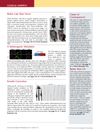
research Clinical Snippets
New findings suggest potential treatments for melanoma, hyperpigmentation, hair defects, and multiple sclerosis, and show skin microbiome changes don't cause atopic dermatitis.

research ROBO4 deletion ameliorates PAF-mediated skin inflammation via regulating the mRNA translation efficiency of LPCAT1/LPCAT2 and the expression of PAF receptor
Removing the ROBO4 gene in mice reduces skin inflammation and hair loss by affecting certain inflammation pathways and gene expression.
research Delayed Cutaneous Wound Healing and Aberrant Expression of Hair Follicle Stem Cell Markers in Mice Selectively Lacking Ctip2 in Epidermis
Lack of Ctip2 in skin cells delays wound healing and disrupts hair follicle stem cell markers in mice.
research Morphogenesis and maintenance of the 3D thymic medulla and prevention of nude skin phenotype require FoxN1 in pre- and post-natal K14 epithelium
FoxN1 gene is essential for proper thymus structure and preventing hair loss.
research Author response: Interplay of opposing fate choices stalls oncogenic growth in murine skin epithelium
The balance between cell renewal and differentiation controls the growth of cancerous cells in mouse skin.
research Acute sensitivity of the oral mucosa to oncogenic K‐ras
Oncogenic K-ras causes rapid cancerous changes in the mouth's lining.
research Hair-Specific Keratins: Characterization and Expression of a Mouse Type I Keratin Gene
research Involvement of the central hypothalamic-pituitary-adrenal axis in hair growth and melanogenesis among different mouse strains
Stress can slow hair growth and affect skin color by impacting the body's stress response system.
research Circulating androgen regulation by androgen-catabolizing gut bacteria in male mouse gut
Certain gut bacteria can lower androgen levels in male mice.
research Progressive Alopecia Reveals Decreasing Stem Cell Activation Probability during Aging of Mice with Epidermal Deletion of DNA Methyltransferase 1
Mice lacking a key DNA methylation enzyme in skin cells have a lower chance of activating stem cells necessary for hair growth, leading to progressive hair loss.
research Autosomal Ichthyosis with Hypotrichosis Syndrome Displays Low Matriptase Proteolytic Activity and Is Phenocopied in ST14 Hypomorphic Mice
Reduced matriptase activity causes skin and hair issues in both humans and mice.
research Anticonvulsant Activity of Progesterone and Neurosteroids in Progesterone Receptor Knockout Mice
Progesterone's seizure-reducing effects are mainly due to allopregnanolone, not progesterone receptors.
research Promotion of mouse ameloblast proliferation by Lgr5 mediated integrin signaling
CD61 is important for mouse tooth cell growth and works through Lgr5.

research Ox40-Cre–mediated deletion of BRD4 reveals an unexpected phenotype of hair follicle stem cells in alopecia
Deleting the BRD4 protein in certain skin cells causes hair loss and skin inflammation.
research Ornithine decarboxylase transgenic mice as a model for human atrichia with papular lesions
ODC transgenic mice can model human hair loss with skin lesions.
research Abstract 1026: A non-apoptotic function for Mcl-1 as an activator of canonical Wnt signaling in keratinocytes
Mcl-1 can activate Wnt signaling in skin cells, promoting growth and possibly cancer.
research Inhibition of 5α‐Reduced Steroid Biosynthesis Impedes Acquisition of Ethanol Drinking in Male C57BL/6J Mice
Finasteride reduces alcohol consumption in mice by affecting brain chemicals.
research Spontaneous Squamous Cell Carcinoma Induced by the Somatic Inactivation of Retinoblastoma and Trp53 Tumor Suppressors
Inactivating both p53 and Rb genes in mice speeds up aggressive skin cancer development.
research Immunohistochemical localization of fatty acid transporters and MCT1 in the sebaceous glands of mouse skin
Sebaceous glands help study fatty acid transporters and binding proteins.

research O19 CYLD cutaneous syndrome tumours demonstrate increased NF-κB signalling and diminished collagen organisation.
Skin tumors with CYLD cutaneous syndrome show more NF-κB activity and less organized collagen.
research A Novel Mouse Type I Intermediate Filament Gene, Keratin 17n (K17n), Exhibits Preferred Expression in Nail Tissue
A new mouse gene, Keratin 17n, is mainly found in nail tissue and may explain why mice without Keratin 17 don't have nail issues.
research A pair of transmembrane receptors essential for the retention and pigmentation of hair
Bmpr2 and Acvr2a receptors are crucial for hair retention and color.

research Alopecia in Harlequin mutant mice is associated with reduced AIF protein levels and expression of retroviral elements
Harlequin mutant mice have hair loss due to low AIF protein levels and retroviral element activity.
research Faculty Opinions recommendation of Expression of truncated latent TGF-beta-binding protein modulates TGF-beta signaling.
Truncated LTBP-1 disrupts TGF-beta signaling, affecting hair growth.
research Evolution in action: highlighting a role for the Agouti gene in development?
The Agouti gene influences pigmentation and may have a developmental role in deer mice.