 14 citations
,
January 2011 in “Journal of Cutaneous Pathology”
14 citations
,
January 2011 in “Journal of Cutaneous Pathology” CK15 is not a reliable marker for stem cells in damaged hair follicles from patients with CCCA.
37 citations
,
February 2007 in “Experimental Dermatology” Increasing PDCD4 protein may help prevent or treat some skin cancers.
16 citations
,
November 2005 in “Journal of Clinical Pathology” CD1d expression in scalp skin and hair follicles changes with the hair cycle and may help protect against microbes.
January 2026 in “Human Mutation” T cell subsets are crucial in kidney cancer, and a new model predicts patient outcomes using key genes.
12 citations
,
January 1991 in “Acta Dermato Venereologica” Basal cell epithelioma-like changes are most similar to normal basal cells.
 10 citations
,
July 2021 in “Archiv für Pathologische Anatomie und Physiologie und für Klinische Medicin”
10 citations
,
July 2021 in “Archiv für Pathologische Anatomie und Physiologie und für Klinische Medicin” LRIG1 is linked to better survival in Merkel cell carcinoma.
54 citations
,
September 1999 in “PubMed” K15 staining helps distinguish basal cell carcinoma from trichoepithelioma.
July 2026 in “Journal of Investigative Dermatology”  3 citations
,
May 2018 in “Journal of Cosmetic Dermatology”
3 citations
,
May 2018 in “Journal of Cosmetic Dermatology” Biopsy can differentiate between alopecia areata and androgenic alopecia, and if more information is needed, testing for CD3 and CD8 can help.
35 citations
,
December 2008 in “PubMed” Trichilemmoma, BCC, and SCC tumors have different stem cell marker expressions.
1 citations
,
December 2023 in “JAAD International” Mast cells may significantly contribute to central centrifugal cicatricial alopecia.
 January 2010 in “Nihon Hou Kagaku Gijutsu Gakkaishi”
 The modified staining method can determine the ABO blood group of hair samples accurately.
65 citations
,
February 2011 in “Molecular cancer therapeutics” CCT128930 is a promising new drug that effectively targets and inhibits a cancer-related protein, showing potential for cancer treatment.
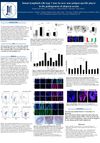
Innate lymphoid cells type 1 may contribute to alopecia areata by damaging hair follicles.
 November 2022 in “The journal of investigative dermatology/Journal of investigative dermatology”
 New imaging technology can show up to 40 different markers in hair loss tissue, helping to understand hair disease better.
 April 2023 in “The journal of investigative dermatology/Journal of investigative dermatology”
 The study suggests that a specific type of immune cell, memory-like NK cells, may increase during active hair loss in Alopecia areata.
February 1985 in “PubMed” April 2010 in “Cancer Research” Basal cell carcinomas may use IDO to protect themselves from the immune system.
 February 2025 in “PubMed”
 CS12192 effectively treats alopecia areata with better safety than current options.
32 citations
,
August 2016 in “Science Signaling” Alopecia areata patients show unique protein activity patterns, suggesting imbalanced signaling pathways.
6 citations
,
November 1984 in “Acta Dermato Venereologica” Hair follicles and sweat glands show different keratin staining patterns.
 January 2025 in “Recent Patents on Anti-Cancer Drug Discovery”
 The treatment showed high response rates and was well-tolerated, potentially extending patient survival.
 April 2023 in “Journal of Investigative Dermatology”
 Higher PD-1 levels are linked to fewer immune cells in hair follicles in alopecia areata.
37 citations
,
May 1998 in “Journal of Dermatological Science” Basal cell carcinoma shows keratin patterns similar to undifferentiated hair follicle cells.
1 citations
,
February 2012 in “InTech eBooks” CK7 and CK20 help identify and classify tumors for accurate cancer diagnosis.
54 citations
,
May 1999 in “Journal of Cutaneous Pathology” Apocrine type cutaneous mixed tumors often resemble hair follicles, sebaceous glands, and apocrine glands.
13 citations
,
January 2010 in “PubMed”  March 2010 in “Ejc Supplements”
 CK 5/6 expression in breast cancer is linked to negative hormone receptor status and higher tumor grade.
 3 citations
,
June 2013 in “Turkish Journal of Rheumatology”
3 citations
,
June 2013 in “Turkish Journal of Rheumatology” A 16-year-old boy with Castleman's disease and lupus was successfully treated and showed no recurrence.
1 citations
,
October 2023 in “PROTOPLASMA”