1 citations
,
January 1989 Four antibodies were developed to help study hair follicle cell differentiation.
January 2011 in “Junshi yixue” A mouse model for studying scleroderma in chronic graft-versus-host disease was successfully created.
1 citations
,
May 2023 in “The Journal of Immunology” CD4 T cells can cause alopecia areata by activating CD8 T cells to attack hair follicles.
 23 citations
,
January 2024 in “Nature Immunology”
23 citations
,
January 2024 in “Nature Immunology” γδ T cells adapt uniquely to different tissues in mice.
 May 2025 in “The Journal of Rheumatology”
 Anti-CD19 therapy may help treat SLE and NMOSD.
January 2006 in “Atherosclerosis Supplements” 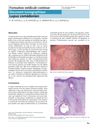 7 citations
,
November 2007 in “Annales de Dermatologie et de Vénéréologie”
7 citations
,
November 2007 in “Annales de Dermatologie et de Vénéréologie” A man was diagnosed with a rare form of lupus after showing unique skin symptoms that responded well to treatment.
November 2024 in “Journal of Investigative Dermatology” Certain NK cell changes in blood may indicate alopecia areata progression.
 April 2024 in “Bioscience trends”
 Higher levels of certain DNAs in blood may indicate hair follicle damage in alopecia areata patients.
 October 2010 in “Reproductive Biomedicine Online”
 A new method can almost perfectly distinguish adenomyosis from similar conditions using blood tests.
 January 2026 in “Cell and Tissue Biology”
 TS-13 speeds up hair regrowth after chemotherapy without affecting treatment effectiveness.
 48 citations
,
January 2024 in “Immune Network”
48 citations
,
January 2024 in “Immune Network” IL-15 is key for T cell function and could help improve treatments for immune-related diseases.
 4 citations
,
July 2008 in “British journal of dermatology/British journal of dermatology, Supplement”
4 citations
,
July 2008 in “British journal of dermatology/British journal of dermatology, Supplement” Poor response to topical immunotherapy in alopecia areata patients is linked to impaired cell responses.
 6 citations
,
September 2009 in “European journal of histochemistry”
6 citations
,
September 2009 in “European journal of histochemistry” CD90 is present on specific cells in dog hair follicles.
7 citations
,
March 2023 in “The Journal of Biochemistry” LONRF1 is important for oxidative damage response and tissue remodeling during wound healing.
38 citations
,
November 1991 in “Archiv für Pathologische Anatomie und Physiologie und für Klinische Medicin” Keratins 8 and 14 can help identify and diagnose benign skin tumors.
July 2024 in “Journal of Investigative Dermatology” Allergic contact dermatitis may promote hair growth by activating hair follicle stem cells.
 1 citations
,
October 2023 in “Egyptian Journal of Immunology”
1 citations
,
October 2023 in “Egyptian Journal of Immunology” PCOS is linked to low-grade chronic inflammation.
July 2025 in “Malaria Journal” Resolving malaria-related lung issues doesn't rely on Alox12 and leaves some inflammation.
September 2019 in “Journal of Investigative Dermatology” IL-17 and certain immune cells are linked to more severe alopecia areata.
9 citations
,
May 2020 in “bioRxiv (Cold Spring Harbor Laboratory)” Human melanocytes have unique traits that affect melanoma development and prognosis.
1 citations
,
January 2022 in “Dermatology Research and Practice” Higher CD70 and CD27 gene expression in alopecia areata lesions predicts disease severity and activity.
 April 2025 in “Journal of Investigative Dermatology”
 Two microRNAs in stem cell exosomes help treat hair loss by targeting a specific signaling pathway.
 September 2024 in “Archives of Medical Science”
 Alopecia areata is linked to immune system differences, with specific biomarkers like CXCL9 and CXCL10 being key for diagnosis and potential treatment targets.
7 citations
,
December 2016 in “Journal of the American Academy of Dermatology” NKG2D+CD4+ T cells are higher in alopecia areata patients and may be involved in the disease.
 103 citations
,
November 2014 in “Journal of Cell Biology”
103 citations
,
November 2014 in “Journal of Cell Biology” MicroRNA-214 is important for skin and hair growth because it affects the Wnt pathway.
1 citations
,
February 2023 in “Journal of Cellular Biochemistry” Cardiomyocyte-derived media can inhibit lung cancer cell growth and movement.
89 citations
,
May 2005 in “Stem Cells” Mouse skin has special cells in the epidermis that decrease with age and are linked to keratinocyte stem cells.
 April 2026 in “Institutional Repositories DataBase (IRDB)”
 CD200- cells in hair follicles have a higher ability to regenerate hair.
30 citations
,
December 1996 in “Journal of Investigative Dermatology”