45 citations
,
September 2012 in “The Journal of Steroid Biochemistry and Molecular Biology” Vitamin D3 and its receptor help protect skin from UVB-related cancer.
August 1994 in “American Journal of Veterinary Research” Monoclonal antibody B72.3 selectively reacts with certain dog tissues, mainly in the gastrointestinal and respiratory tracts.
June 2023 in “Zenodo (CERN European Organization for Nuclear Research)” Neutropenic patients show significant changes in immune cell types and lower neutrophil and natural killer cell percentages.
2 citations
,
June 2006 in “Journal of Clinical Pathology” Localized breast cancer can affect skin and hair.
 September 2017 in “The journal of investigative dermatology/Journal of investigative dermatology”
 Blocking CCR5 can prevent and improve hair loss in alopecia areata.
21 citations
,
December 1994 in “Journal of Investigative Dermatology” 3 citations
,
April 2012 in “Cancer research” Mouse skin cancer progression involves a unique group of cells marked by ABCG2 and MTS24.
28 citations
,
July 2005 in “Journal of Investigative Dermatology” Sca-1+ cells in newborn mouse skin may become fat cells.
77 citations
,
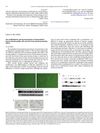
June 2002 in “Journal of Investigative Dermatology” CD44 variant changes start alopecia areata, but don't maintain it.
 13 citations
,
September 2010 in “Journal of Dermatological Science”
13 citations
,
September 2010 in “Journal of Dermatological Science” Researchers made a cell line that grows quickly and can help with hair growth research.
 35 citations
,
January 2013 in “The Journal of experimental medicine/The journal of experimental medicine”
35 citations
,
January 2013 in “The Journal of experimental medicine/The journal of experimental medicine” CD98hc's role in skin health decreases with age.
 April 2023 in “The journal of investigative dermatology/Journal of investigative dermatology”
 SETDB1 is essential for controlling DNA methylation, silencing retrotransposons, and maintaining skin cell health, with its absence leading to skin inflammation and hair loss.
36 citations
,
March 2011 in “Stem Cell Reviews and Reports” 1 citations
,
February 2023 in “Pharmaceutics” Cell proteomic footprinting enhances cancer vaccine quality by ensuring correct antigen composition.
 1 citations
,
May 2026 in “Nature Communications”
1 citations
,
May 2026 in “Nature Communications” CD19-CAR T cell therapy may help regenerate skin in systemic sclerosis.
70 citations
,
August 2006 in “Cancer Research” AP-1 controls tumor cell type by affecting key signaling pathways.
 December 2023 in “bioRxiv (Cold Spring Harbor Laboratory)”
 Different types of inactive melanocyte stem cells exist with unique characteristics and potential to develop into other cells.
15 citations
,
November 2012 in “Archives of Ophthalmology” A deletion in the CDH3 gene causes a rare disorder with short hair and vision loss.
 23 citations
,
January 2024 in “Nature Immunology”
23 citations
,
January 2024 in “Nature Immunology” γδ T cells adapt uniquely to different tissues in mice.
5 citations
,
January 2017 in “Arquivos Brasileiros de Oftalmologia” A rare genetic disorder causes sparse hair and vision loss due to a CDH3 gene mutation.
March 2026 in “Wound Repair and Regeneration” MARCKSL1 is important for wound healing and could be a target to reduce scarring.
1 citations
,
August 2022 in “Pigment Cell & Melanoma Research” New mouse models help study melanocytic cells for melanoma research.
33 citations
,
June 2007 in “Gene Expression Patterns” CTIP2 may help in skin development and maintenance.
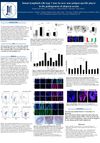
Innate lymphoid cells type 1 may contribute to alopecia areata by damaging hair follicles.
 9 citations
,
January 2023 in “International Journal of Biological Sciences”
9 citations
,
January 2023 in “International Journal of Biological Sciences” CTHRC1 is essential for healing and preventing heart rupture after a heart attack.
 32 citations
,
January 2017 in “Orphanet journal of rare diseases”
32 citations
,
January 2017 in “Orphanet journal of rare diseases” FOXN1 gene mutations cause a rare, severe immune disease treatable with cell or tissue transplants.
15 citations
,
September 2009 in “European Journal of Histochemistry” CD90 is abundantly present on stem-like cells in dog hair follicles.
415 citations
,
January 2008 in “Cell” NFATc1 controls hair stem cell activity, affecting hair growth and could be a target for hair loss treatments.
 December 2024 in “Kırıkkale Üniversitesi Tıp Fakültesi Dergisi”
 Chromosomal microarray analysis is important for diagnosing rare genetic variations and guiding treatment.
 3 citations
,
March 2019 in “Case Reports”
3 citations
,
March 2019 in “Case Reports” A man with myotonic dystrophy type 1 had 28 skin cancers, suggesting a link between the disease and skin cancer, emphasizing the need for sun protection and regular skin checks.