73 citations
,
January 2002 in “Journal of Investigative Dermatology” Epidermal stem cells don't use gap junctions to communicate.
 4 citations
,
March 2018 in “Journal of labelled compounds & radiopharmaceuticals”
4 citations
,
March 2018 in “Journal of labelled compounds & radiopharmaceuticals” A new compound was effective for imaging prostate cancer in rats.
 August 2023 in “Journal of Dermatological Science”
 A specific RNA molecule blocks hair growth by affecting a protein related to hair loss conditions.
January 2011 in “Junshi yixue” A mouse model for studying scleroderma in chronic graft-versus-host disease was successfully created.
June 2020 in “The journal of investigative dermatology/Journal of investigative dermatology” Scientists found new and known long non-coding RNAs in mouse hair follicle stem cells that may be important for stem cell function and could be targets for cancer treatment.
CCC1 is essential for ion balance and proper plant cell function.
 1 citations
,
March 2004 in “Journal of the American Academy of Dermatology”
1 citations
,
March 2004 in “Journal of the American Academy of Dermatology” ZD1839, a cancer drug, can cause mild skin rashes that are treatable without stopping the medication.
 24 citations
,
July 1994 in “Molecular Endocrinology”
24 citations
,
July 1994 in “Molecular Endocrinology” Researchers found an RNA transcript that might help control a growth factor linked to tumor development.
March 2026 in “Journal of Investigative Dermatology” November 2024 in “Journal of Investigative Dermatology” ATP-sensitive potassium channels are important for hair growth.
 November 2023 in “Animal Bioscience”
 miR-133a-3p and miR-145-5p help goat hair follicle stem cells differentiate by controlling NANOG and SOX9.
 2 citations
,
July 2007 in “Cancer biology & therapy”
2 citations
,
July 2007 in “Cancer biology & therapy” Bexxar is highly effective as a first treatment for non-Hodgkin's lymphoma, with most patients alive and many in remission after eight years.
1 citations
,
July 2016 in “Dermatologic surgery” 441 citations
,
May 1996 in “Journal of Cell Science” Keratin 19 helps identify skin stem cells, with its presence varying by body location, age, and culture stage.
The curly mutation in SELH/Bc mice affects hair and may help study human genetic disorders.
May 2023 in “The Journal of Immunology” BST2 is a key marker for hair loss disease alopecia areata.
December 2023 in “International Journal of Dermatology” January 2022 in “SSRN Electronic Journal” LncRNA RP11-818024.3 helps hair growth and recovery in hair loss by boosting cell survival and reducing cell death.
39 citations
,
January 2020 in “Scientific Reports” Four circRNAs were found to be significantly different in cashmere goat skin, affecting cashmere fineness.
January 2025 in “SSRN Electronic Journal”  November 2022 in “The journal of investigative dermatology/Journal of investigative dermatology”
 The research identified specific genes that are active in the cells crucial for hair growth.
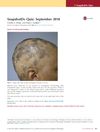 August 2018 in “Journal of Investigative Dermatology”
 Tofacitinib may help regrow hair in alopecia areata patients.
1 citations
,
October 2024 in “European Journal of Histochemistry” Telocytes in silky fowl embryos develop distinct features and connections by the 20th day of incubation.
 April 2018 in “Journal of Investigative Dermatology”
 Dsg1 is essential for maintaining a healthy skin barrier in mice.
1 citations
,
January 1998 in “International journal of cancer” Rubbing vitamin D3 on skin can help prevent hair loss from chemotherapy and slow breast tumor growth in mice.
 1 citations
,
July 2025 in “Scientific Reports”
1 citations
,
July 2025 in “Scientific Reports” Diagonal earlobe crease and lipoprotein(a) together help diagnose coronary heart disease.
2 citations
,
August 2023 in “Molecules” SH-340 may improve skin barrier and help treat atopic dermatitis.
53 citations
,
August 2017 in “Journal of Investigative Dermatology” November 2024 in “Stem Cell Research & Therapy” A new method improves the isolation of hair follicle cells for better hair growth research.
13 citations
,
February 1995 in “Archives of Dermatological Research” Gamma/delta T cells help defend skin against heavy metals.