 19 citations
,
February 2016 in “Journal of The American Academy of Dermatology”
19 citations
,
February 2016 in “Journal of The American Academy of Dermatology” CD3+ T-cell presence is a reliable marker to tell apart alopecia areata from pattern hair loss.
 10 citations
,
April 2013 in “Veterinary dermatology”
10 citations
,
April 2013 in “Veterinary dermatology” A new skin disease in four Labrador retrievers responded well to immunosuppressive treatment.
 6 citations
,
July 2009 in “Veterinary dermatology”
6 citations
,
July 2009 in “Veterinary dermatology” Vesiculobullous lesions should be considered part of canine cutaneous epitheliotropic T-cell lymphoma.
1 citations
,
December 2021 Cats likely have a reactive skin condition, while dogs may have a more complex, possibly cancerous one.
April 2020 in “International Journal of Dermatology” T-cell patterns in skin help distinguish alopecia areata from androgenetic alopecia.
12 citations
,
April 2017 in “Experimental and Therapeutic Medicine” Patients with severe active alopecia areata have lower CD200 expression and an imbalance in their immune system.
 5 citations
,
January 2019 in “Skin appendage disorders”
5 citations
,
January 2019 in “Skin appendage disorders” The conclusion is that it's important to tell apart alopecia areata from lipedematous alopecia for proper treatment, as alopecia areata can be reversed.
3 citations
,
April 2020 in “PubMed” Combining DEB-BACE with chemotherapy is more effective and has fewer side effects than chemotherapy alone for treating unresectable lung squamous cell carcinoma.
2 citations
,
December 2023 in “International Journal of Dermatology” A unique type of hair loss mimics another condition but has minimal inflammation and specific immune cells present.
 April 2012 in “Informa Healthcare eBooks”
 Lichen planopilaris is a rare, chronic condition causing hair loss, mainly in middle-aged women, and early treatment is important to prevent permanent baldness.
4 citations
,
September 2011 in “Journal of the American Academy of Dermatology” A man developed a skin cancer called folliculotropic mycosis fungoides after a kidney transplant.
 4 citations
,
September 2017 in “Skin appendage disorders”
4 citations
,
September 2017 in “Skin appendage disorders” The dog with an Alopecia Areata-like condition showed signs of an autoimmune disease and partially regrew hair without treatment, suggesting dogs could be models for human AA research.
3 citations
,
December 2003 in “Archives of Pathology & Laboratory Medicine” The nodule was a benign cutaneous lymphadenoma, not cancer, and was successfully removed.
 5 citations
,
September 1989 in “Journal of The American Academy of Dermatology”
5 citations
,
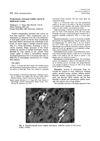
September 1989 in “Journal of The American Academy of Dermatology” Talc in street cocaine can cause immune-reactive skin nodules where injected.
13 citations
,
March 2000 in “Veterinary Dermatology” Dogs have a skin condition like human pseudopelade, causing hair loss that doesn't improve with treatment.
6 citations
,
January 2022 in “Veterinary Sciences” Feline cutaneous lymphocytosis is likely reactive, while canine cutaneous lymphocytosis needs more study to understand its nature.
 September 1997 in “Journal of the European Academy of Dermatology and Venereology”
 People with acne have more CD4+ immune cells in their skin than healthy people.
11 citations
,
February 1990 in “PubMed” Zinc may help treat alopecia areata by boosting certain immune cells.
14 citations
,
August 2004 in “Veterinary Dermatology” The horse had a rare type of hair loss caused by immune cells attacking hair follicles.
 7 citations
,
November 2007 in “Annales de Dermatologie et de Vénéréologie”
7 citations
,
November 2007 in “Annales de Dermatologie et de Vénéréologie” A man was diagnosed with a rare form of lupus after showing unique skin symptoms that responded well to treatment.
October 2017 in “Journal of Investigative Dermatology” Pemphigus vulgaris involves specific immune cells and B cells that produce antibodies causing skin blisters.
September 2011 in “Chinese Journal of Dermatology” A man's skin condition was misdiagnosed and later identified as a rare type of skin cancer, which did not improve with treatment.
1 citations
,
September 2016 in “Veterinary dermatology” A combination of ciclosporin and ketoconazole can effectively treat severe hair loss in dogs.
 7 citations
,
February 2015 in “Journal of comparative pathology”
7 citations
,
February 2015 in “Journal of comparative pathology” CD8+ T cells play a key role in graft-versus-host disease in certain mice models.
701 citations
,
August 2014 in “Nature medicine” Alopecia areata can be reversed by JAK inhibitors, promoting hair regrowth.
6 citations
,
June 2023 in “Journal of the European Academy of Dermatology and Venereology” Inflammation damages sweat ducts, causing sweat gland injury.
 1 citations
,
June 2020 in “bioRxiv (Cold Spring Harbor Laboratory)”
1 citations
,
June 2020 in “bioRxiv (Cold Spring Harbor Laboratory)” Fetal skin has unique immune cells different from adult skin.
2 citations
,
October 1990 in “PubMed” Severe alopecia areata involves higher levels of certain immune cells, which can be normalized with betamethasone.
13 citations
,
February 1995 in “Archives of Dermatological Research” Gamma/delta T cells help defend skin against heavy metals.
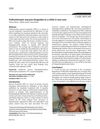 1 citations
,
October 2023 in “Journal of the Pakistan Medical Association”
1 citations
,
October 2023 in “Journal of the Pakistan Medical Association” Folliculotropic mycosis fungoides can occur in children and is diagnosed with specific tests, but often stays in early stages with treatment.