10 citations
,
January 1994 in “Annals of Internal Medicine” CD4+ lymphocytopenia can occur in patients with systemic lupus erythematosus.
 27 citations
,
September 1992 in “The Lancet”
27 citations
,
September 1992 in “The Lancet” ICL is a condition with low CD4+ T cells like AIDS but not caused by HIV, and normal CD4+ T cell counts may vary between men and women.
 7 citations
,
August 2020 in “Scientifica”
7 citations
,
August 2020 in “Scientifica” Most HIV-positive patients had skin problems, and conditions like oral thrush and boils were linked to weaker immune systems.
 12 citations
,
July 2014 in “International Journal of STD & AIDS”
12 citations
,
July 2014 in “International Journal of STD & AIDS” HIV patients with lower CD4 T cell counts often have more skin problems.
 19 citations
,
March 2003 in “Journal of Investigative Dermatology”
19 citations
,
March 2003 in “Journal of Investigative Dermatology” Mechlorethamine treatment regrew hair in mice by killing immune cells causing hair loss without harming hair follicles.
 18 citations
,
January 2017 in “Annals of dermatology/Annals of Dermatology”
18 citations
,
January 2017 in “Annals of dermatology/Annals of Dermatology” Certain immune cells contribute to severe hair loss in chronic alopecia areata, with Th17 cells possibly having a bigger impact than cytotoxic T cells.
July 2025 in “Journal of Investigative Dermatology” Scarring alopecia involves increased immune cells and specific gene changes near damaged hair follicles.
 1 citations
,
June 2020 in “bioRxiv (Cold Spring Harbor Laboratory)”
1 citations
,
June 2020 in “bioRxiv (Cold Spring Harbor Laboratory)” Fetal skin has unique immune cells different from adult skin.
38 citations
,
September 2004 in “Journal of Autoimmunity” Alopecia areata patients have more activated T cells in their blood, which may help in developing treatments.
23 citations
,
July 2023 in “Proceedings of the National Academy of Sciences” CD8+ T cells drive alopecia areata, while regulatory T cells are protective.
11 citations
,
February 1990 in “PubMed” Zinc may help treat alopecia areata by boosting certain immune cells.
November 2023 in “Journal of Investigative Dermatology” Different types of hair loss have unique cellular changes, suggesting new treatment targets.
 11 citations
,
April 2020 in “Journal of The American Academy of Dermatology”
11 citations
,
April 2020 in “Journal of The American Academy of Dermatology” Microinflammation is more intense in smaller hair follicles and may be linked to hair loss.
 5 citations
,
September 1989 in “Journal of The American Academy of Dermatology”
5 citations
,
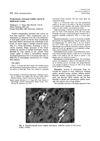
September 1989 in “Journal of The American Academy of Dermatology” Talc in street cocaine can cause immune-reactive skin nodules where injected.
3 citations
,
November 2005 in “Journal of Investigative Dermatology Symposium Proceedings” Enhancing regulatory T cells may help treat autoimmune diseases like alopecia areata.
 1 citations
,
October 2023 in “Journal of the Pakistan Medical Association”
1 citations
,
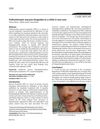
October 2023 in “Journal of the Pakistan Medical Association” Folliculotropic mycosis fungoides can occur in children and is diagnosed with specific tests, but often stays in early stages with treatment.
 January 2026 in “Clinical Cosmetic and Investigational Dermatology”
 Early diagnosis and targeted anti-inflammatory treatments can improve outcomes in androgenetic alopecia with perifollicular inflammation and fibrosis.
 April 2017 in “Journal of Investigative Dermatology”
 Certain microRNAs may protect against hair loss in alopecia areata and could be potential treatment targets.
 July 2025 in “Archives of Toxicology”
 The new skin model can predict how chemicals might cause skin allergies.
 20 citations
,
November 2005 in “Journal of Investigative Dermatology Symposium Proceedings”
20 citations
,
November 2005 in “Journal of Investigative Dermatology Symposium Proceedings” IFN-γ and IL-2 are important for T cell activation in hair loss in mice.
 16 citations
,
April 2007 in “Journal of Medical Primatology”
16 citations
,
April 2007 in “Journal of Medical Primatology” The monkey's hair loss was due to an autoimmune disease, not genetics.
January 2025 in “Indian Dermatology Online Journal” Mycosis fungoides can have unusual symptoms and may be misdiagnosed, but specific cell markers might suggest a lower risk of worsening.
 August 2016 in “Journal of Investigative Dermatology”
 Blocking the CCR5 receptor may be a new way to treat hair loss from alopecia areata.
21 citations
,
December 2017 in “The journal of investigative dermatology. Symposium proceedings/The Journal of investigative dermatology symposium proceedings” Simvastatin/ezetimibe may help treat new cases of alopecia areata but not long-term cases.
April 2020 in “International Journal of Dermatology” T-cell patterns in skin help distinguish alopecia areata from androgenetic alopecia.
 33 citations
,
June 2012 in “Journal of Crohn's and colitis”
33 citations
,
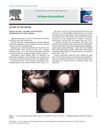
June 2012 in “Journal of Crohn's and colitis” Alopecia Areata might be linked to Crohn's disease.
20 citations
,
March 1990 in “Archives of Dermatology” Nonimmunosuppressive cyclosporines might treat skin diseases by affecting cell growth.
3 citations
,
April 2020 in “PubMed” Combining DEB-BACE with chemotherapy is more effective and has fewer side effects than chemotherapy alone for treating unresectable lung squamous cell carcinoma.
143 citations
,
January 2004 in “Journal of Investigative Dermatology Symposium Proceedings” Alopecia areata is an autoimmune disease causing hair loss, treatable with immune-modulating drugs, and linked to genetics.
 37 citations
,
November 2003 in “Veterinary pathology”
37 citations
,
November 2003 in “Veterinary pathology” Hair loss in mice starts with immune cells damaging hair roots before it becomes visible.