October 2017 in “Journal of Investigative Dermatology” Pemphigus vulgaris involves specific immune cells and B cells that produce antibodies causing skin blisters.
January 2013 in “Biology of blood and marrow transplantation” Rapamycin increased survival in mice with severe chronic graft-versus-host disease by expanding regulatory T cells.
Alopecia areata is an autoimmune disease that targets hair follicles.
 March 2023 in “Research Square (Research Square)”
 Immune changes and specific genes contribute to male hair loss.
November 2022 in “Annals of Translational Medicine” Immune activities and specific genes are important in male pattern baldness.
38 citations
,
September 2004 in “Journal of Autoimmunity” Alopecia areata patients have more activated T cells in their blood, which may help in developing treatments.
26 citations
,
July 1992 in “International Journal of Dermatology” Oral cyclosporine A and prednisolone effectively improved alopecia universalis without side effects.
 7 citations
,
November 2007 in “Annales de Dermatologie et de Vénéréologie”
7 citations
,
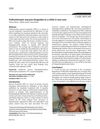
November 2007 in “Annales de Dermatologie et de Vénéréologie” A man was diagnosed with a rare form of lupus after showing unique skin symptoms that responded well to treatment.
 1 citations
,
October 2023 in “Journal of the Pakistan Medical Association”
1 citations
,
October 2023 in “Journal of the Pakistan Medical Association” Folliculotropic mycosis fungoides can occur in children and is diagnosed with specific tests, but often stays in early stages with treatment.
46 citations
,
November 2022 in “The Journal of Dermatology” Bullous pemphigoid is influenced by genetic factors, immune cell dysfunction, aging, and triggers, with treatment often improving symptoms.
 July 2025 in “Archives of Toxicology”
 The new skin model can predict how chemicals might cause skin allergies.
 December 2022 in “bioRxiv (Cold Spring Harbor Laboratory)”
 The new vaccine platform led to a stronger immune response and better protection against the flu than the traditional vaccine.
20 citations
,
March 1990 in “Archives of Dermatology” Nonimmunosuppressive cyclosporines might treat skin diseases by affecting cell growth.
 20 citations
,
November 2005 in “Journal of Investigative Dermatology Symposium Proceedings”
20 citations
,
November 2005 in “Journal of Investigative Dermatology Symposium Proceedings” IFN-γ and IL-2 are important for T cell activation in hair loss in mice.
2 citations
,
January 2020 in “Enlighten: Theses (The University of Glasgow)” Alopecia areata is an autoimmune disease causing hair loss, and targeting macrophages may help treat it.
 June 2023 in “Research Square (Research Square)”
 Hair loss in male pattern baldness is linked to changes in immune cell behavior around hair follicles.
 August 2016 in “Journal of Investigative Dermatology”
 Blocking the CCR5 receptor may be a new way to treat hair loss from alopecia areata.
 16 citations
,
April 2007 in “Journal of Medical Primatology”
16 citations
,
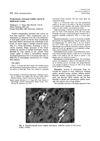
April 2007 in “Journal of Medical Primatology” The monkey's hair loss was due to an autoimmune disease, not genetics.
 5 citations
,
September 1989 in “Journal of The American Academy of Dermatology”
5 citations
,
September 1989 in “Journal of The American Academy of Dermatology” Talc in street cocaine can cause immune-reactive skin nodules where injected.
 September 2017 in “The journal of investigative dermatology/Journal of investigative dermatology”
 Blocking CCR5 can prevent and improve hair loss in alopecia areata.
 September 2017 in “The journal of investigative dermatology/Journal of investigative dermatology”
 Human hair follicles have a unique way of using energy and might use the Cori cycle; blocking CCR5 could help treat hair loss.
18 citations
,
August 2012 in “Chinese journal of integrative medicine/Chinese Journal of Integrative Medicine” Both treatments for alopecia areata are equally effective and safe.
November 2025 in “Journal of Investigative Dermatology” Certain immune cells in atopic dermatitis skin could be targeted for treatment.
November 2025 in “Journal of Investigative Dermatology” Dithranol reduces inflammation in alopecia areata by lowering certain immune responses.
6 citations
,
June 2015 in “Journal of theoretical biology” The model showed that immune system guardians and the cytokine interferon-γ are key in alopecia areata progression.
March 2014 in “The Journal of Urology” Finasteride increases CD8+ T cells in BPH tissues.
January 2014 in “Journal of Jilin University” Higher levels of certain immune cells and proteins are linked to more severe lupus symptoms.
 October 2015 in “Elsevier eBooks”
 Aldesleukin can treat certain cancers and increase HIV patient CD4+ counts but often causes severe side effects.
 11 citations
,
March 2014 in “Journal of Investigative Dermatology”
11 citations
,
March 2014 in “Journal of Investigative Dermatology” Genetic mutation and carcinogen treatment are both needed for skin cancer to develop in these specific mice.
Thymoma with alopecia areata may be linked to abnormal immune cells.