 April 2016 in “Journal of Investigative Dermatology”
 Lithocholic acid helps hair growth and regeneration in alopecia by activating vitamin D receptors.
June 2010 in “Seoul National University Open Repository (Seoul National University)” Reduced Vitamin D receptor expression may cause hair loss through the Wnt/b-catenin pathway.
7 citations
,
May 1993 in “Journal of the European Academy of Dermatology and Venereology” Cell adhesion molecules are important in the development of certain skin diseases.
1 citations
,
April 2024 in “JDDG Journal der Deutschen Dermatologischen Gesellschaft” Tislelizumab can cause cutaneous lupus erythematosus.
 31 citations
,
October 2018 in “Frontiers in Cell and Developmental Biology”
31 citations
,
October 2018 in “Frontiers in Cell and Developmental Biology” The conclusion is that CD90 is not a specific marker for fibroblast subtypes and better methods are needed to identify them.
November 2025 in “Journal of Investigative Dermatology” July 2024 in “Journal of Investigative Dermatology” Targeting TCR-Vβ2 in cutaneous T cell lymphoma shows promise for safer, more specific treatment.
10 citations
,
August 1998 in “Journal of Investigative Dermatology” May 2026 in “Bioorganic Chemistry” July 2024 in “Journal of Investigative Dermatology” CRISPR/Cas9 and prime editing can potentially fix skin disorder genes safely and effectively.
36 citations
,
February 2007 in “Journal of biological chemistry/The Journal of biological chemistry” The vitamin D receptor can work without its usual activating molecule.
 11 citations
,
July 2014 in “Gene”
11 citations
,
July 2014 in “Gene” The S250C variant in a gene may cause autoimmunity and immunodeficiency by impairing protein function.
April 2023 in “Journal of Investigative Dermatology” Contact immunotherapy can change immune responses in alopecia areata, suggesting new treatment targets.
3 citations
,
July 2025 in “Clinical and Experimental Dermatology” Ritlecitinib may be more effective for severe alopecia areata than conventional treatments.
 November 2025 in “DOAJ (DOAJ: Directory of Open Access Journals)”
 CD25+ CD4+ Tregs and certain plasma proteins are linked to hair loss.
March 2026 in “Skin Appendage Disorders” Belatacept may be a promising treatment for alopecia areata.
21 citations
,
April 2008 in “Toxicologic Pathology” CI-1033 causes skin lesions in rats, similar to humans, due to EGF receptor inhibition.
50 citations
,
September 2009 in “Molecular Genetics and Metabolism” A new gene mutation causes vitamin D resistance and rickets, treatable with calcium therapy.
15 citations
,
September 2009 in “European Journal of Histochemistry” CD90 is abundantly present on stem-like cells in dog hair follicles.
 April 2019 in “Journal of Investigative Dermatology”
 Removing REDD1 in mice increases skin fat by making fat cells larger and more numerous.
March 2014 in “The Journal of Urology” Finasteride increases CD8+ T cells in BPH tissues.
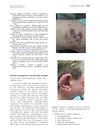
A 72-year-old man was diagnosed with a rare skin form of Rosai-Dorfman disease after years of misdiagnosis.
November 2025 in “Journal of Investigative Dermatology” Chronic refractory alopecia areata has more skin-resident memory T cells, and JAK inhibitors may help reduce them.
34 citations
,
February 2012 in “American Journal of Dermatopathology” Calretinin can help identify certain skin structures and tumors.
November 2023 in “Biomolecules” The research showed that Vitamin D and its receptor are important for healthy bones and normal hair and skin in rats.
 158 citations
,
August 2011 in “Reviews in endocrine and metabolic disorders”
158 citations
,
August 2011 in “Reviews in endocrine and metabolic disorders” Vitamin D and its receptor regulate skin functions like cell growth, immunity, hair cycle, and tumor prevention.
34 citations
,
September 1997 in “Acta Dermato Venereologica” RXR agonists may promote hair growth in humans.
September 2025 in “PeerJ” FCER1A and RGS1 may help diagnose and treat systemic lupus erythematosus.
 1 citations
,
January 2022 in “BMC Genomic Data”
1 citations
,
January 2022 in “BMC Genomic Data” The study found that androgen receptors in skin cells mainly affect the focal adhesion pathway and control the caveolin-1 gene, with implications for new treatments for related diseases.
 13 citations
,
November 2017 in “Journal of Cellular and Molecular Medicine”
13 citations
,
November 2017 in “Journal of Cellular and Molecular Medicine” The workshop discussed the role of a protein called calreticulin in health and disease, its potential as a treatment target, and its possible use as a disease marker.