 4 citations
,
August 2013 in “Case reports in dermatology”
4 citations
,
August 2013 in “Case reports in dermatology” A patient with total hair loss developed vitiligo after using a treatment called DCP.
Gingerol may help treat chronic graft-versus-host disease by improving immune cell balance.
48 citations
,
June 2000 in “Japanese Journal of Cancer Research” Dimethylarsinic acid speeds up skin tumor growth in certain mice.
10 citations
,
January 1994 in “Annals of Internal Medicine” CD4+ lymphocytopenia can occur in patients with systemic lupus erythematosus.
28 citations
,
February 2007 in “Cancer Research” Blocking certain proteins in mouse skin can reduce and shrink skin tumors.
February 2020 in “Central Plains Medical Journal” Thalidomide with CHOP is more effective for peripheral T-cell lymphoma than CHOP alone.
![[4-t-Butylphenyl]-N-(4-imidazol-1-yl phenyl)sulfonamide (ISCK03) Inhibits SCF/c-kit Signaling in 501mel Human Melanoma Cells and Abolishes Melanin Production in Mice and Brownish Guinea Pigs](/images/assets/4eb017dc-711d-4926-bcd0-c3b8f48e3a99/small/19974.jpg) 26 citations
,
July 2007 in “Biochemical Pharmacology”
26 citations
,
July 2007 in “Biochemical Pharmacology” ISCK03 stops melanin production in human melanoma cells and lightens skin color in mice and guinea pigs.
 February 2026 in “Nature Communications”
 A specific group of immune and skin cells may cause chronic inflammation in atopic dermatitis.
1 citations
,
October 2024 in “European Journal of Histochemistry” Telocytes in silky fowl embryos develop distinct features and connections by the 20th day of incubation.
2 citations
,
August 2024 in “JID Innovations” AD-derived keratinocytes effectively mimic inflammation in atopic dermatitis.
 July 2021 in “International journal of dermatology, venereology and leprosy sciences”
 Diphenylcyclopropenone is more effective and has fewer side effects than dinitrochlorobenzene for treating alopecia areata.
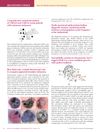 January 2012 in “Journal of Investigative Dermatology”
 Some Greek melanoma patients have gene mutations linked to increased cancer risk, a new color feature helps diagnose melanoma, the incidence of a skin condition in the Netherlands is rare, and a gene possibly affects male-pattern baldness.
September 2019 in “The journal of investigative dermatology/Journal of investigative dermatology” PPARγ signaling modulation can protect hair follicle stem cells from chemotherapy-induced damage.
23 citations
,
January 2016 in “Frontiers in immunology” Using low-dose IL-2 to increase regulatory T cells might be a safe way to treat type 1 diabetes without severe side effects.
 110 citations
,
July 2017 in “Immunology”
110 citations
,
July 2017 in “Immunology” Skin's Regulatory T cells are crucial for maintaining skin health and could be targeted to treat immune-related skin diseases and cancer.
2 citations
,
October 2023 in “Cancer Reports” Mitochondrial features can predict colorectal cancer outcomes and improve immunotherapy.

γδTregs may help treat autoimmune diseases like alopecia areata by promoting hair regrowth and reducing immune attacks.
 June 2025 in “bioRxiv (Cold Spring Harbor Laboratory)”
 In alopecia areata, certain immune cells increase and express a protein linked to immune activation.
 April 2019 in “The journal of investigative dermatology/Journal of investigative dermatology”
 Targeting cholesterol, fatty acids, fibrosis, and mast cells may help treat CCCA.
10 citations
,
December 2015 in “International Journal of Dermatology” CK 15, follistatin, and Bmi-1 can help differentiate basal cell carcinoma from squamous cell carcinoma.
 April 2018 in “Journal of Investigative Dermatology”
 Dsg1 is essential for maintaining a healthy skin barrier in mice.
20 citations
,
September 2003 in “Journal of Investigative Dermatology” Targeting MIG and MCP-1 may help treat inflammation in alopecia areata.
14 citations
,
October 2017 in “Gene Expression Patterns” A new mouse model helps study melanocyte cells using GFP expression.
July 2023 in “Nature Immunology” CD8+ virtual memory T cells may cause hair loss in alopecia areata.
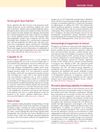 February 2011 in “Journal of Investigative Dermatology”
 New findings suggest targeting IL-23 could treat psoriasis, skin cells can adapt to new roles, direct conversion of skin cells to blood cells may aid cell therapy, removing certain tumor cells could boost cancer immunotherapy, and melanoma may have many tumorigenic cells, not just cancer stem cells.
 March 2024 in “Journal of Experimental & Biomedical Sciences/Biomedical Science Letters”
 BCC can protect heart cells from damage caused by oxidative stress.
 123 citations
,
September 1987 in “JAMA”
123 citations
,
September 1987 in “JAMA” IL-2 treatment causes skin eruptions and other reversible side effects, and may play a role in psoriasis.
April 2023 in “Journal of Investigative Dermatology” CD8+ T cells attack hair follicle stem cells, causing scarring and hair loss.
March 2026 in “Wound Repair and Regeneration” MARCKSL1 is important for wound healing and could be a target to reduce scarring.
 14 citations
,
February 2018 in “Psychoneuroendocrinology”
14 citations
,
February 2018 in “Psychoneuroendocrinology” Mice lacking steroid 5α-reductase 2 show less aggression and better impulse control.